
Geopolitical and Regulatory Risks in the Crypto Sector: Lessons from CZ's Pardon and the Hamas Conflict
CZ's Pardon: A Case Study in Regulatory Arbitrage and Political Influence
In October 2025, President Donald Trump pardoned CZ, erasing his criminal exposure from a 2023 guilty plea for Bank Secrecy Act violations. While this action restored CZ's civil rights in the U.S., it did not negate the $4.3 billion in penalties Binance paid to agencies like the DOJ, FinCEN, and OFAC according to reports. Legally, a presidential pardon does not automatically refund funds already transferred to the Treasury, and any reversal would require congressional appropriation-a politically fraught process as documented.
The pardon has sparked debates about regulatory favoritism. According to a Wall Street Journal report, Binance allegedly formed a task force to support the Trump family's cryptocurrency project, World Liberty FinancialWLFI--, including its USD1USD1-- stablecoin. Critics, including Senators Elizabeth Warren and Chris Murphy, accuse the administration of prioritizing corporate interests over regulatory neutrality. This raises concerns about whether crypto firms can expect consistent enforcement or if political connections will dictate compliance outcomes.
For investors, the CZ case illustrates two risks:
1. Regulatory Arbitrage: Firms may exploit jurisdictional loopholes or political alliances to mitigate penalties, creating an uneven playing field.
2. Political Entanglement: Crypto leaders' ties to political figures could lead to biased enforcement, eroding trust in regulatory frameworks according to analysis.
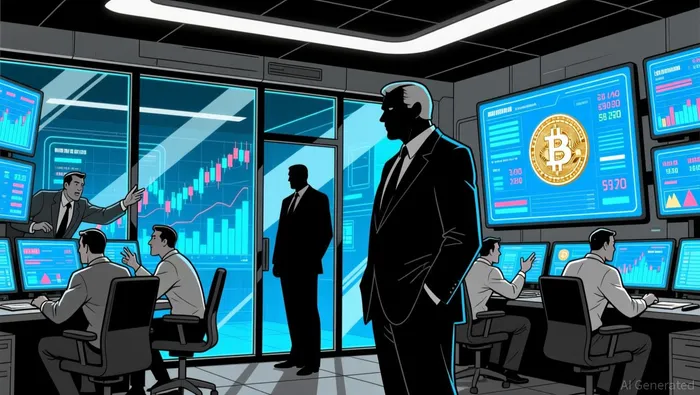
The Hamas Conflict and Geopolitical Volatility
While no direct lawsuit against crypto firms emerged in 2025, the Israel-Hamas conflict highlights how geopolitical instability can indirectly impact the sector. As of November 2025, tensions persist despite a U.S.-brokered ceasefire, with both sides accusing each other of violations. The U.S. is also pushing for a "green zone" in Gaza to reduce Hamas' influence, a move that could involve stricter financial controls.
Crypto firms operating in or near conflict zones face heightened risks:
- Sanctions and Compliance: Increased scrutiny of cross-border transactions, particularly in regions with U.S. or EU sanctions.
- Operational Disruption: Geopolitical instability can disrupt infrastructure, such as internet access or banking partnerships, critical for crypto operations.
- Reputational Damage: Associations with entities or regions linked to conflict could attract regulatory backlash or public scrutiny as reported.
The absence of a formal lawsuit does not diminish these risks. Instead, the Hamas conflict exemplifies how crypto firms must navigate a landscape where geopolitical shifts can trigger sudden regulatory changes or operational challenges.
Systemic Vulnerabilities and Investor Implications
Both the CZ pardon and the Hamas conflict reveal broader vulnerabilities:
1. Regulatory Uncertainty: The crypto sector remains subject to inconsistent enforcement, with outcomes often hinging on political dynamics.
2. Geopolitical Exposure: Firms operating in volatile regions face unpredictable risks, from sanctions to infrastructure disruptions according to analysis.
3. Market Sentiment: Political favoritism or geopolitical crises can amplify risk premiums, driving volatility in crypto assets.
For investors, the lesson is clear: diversification and due diligence are critical. Firms with strong compliance frameworks and geographic diversification may outperform in this environment. Conversely, those reliant on political connections or operating in unstable regions could face sudden setbacks.
Conclusion
The crypto sector's future hinges on its ability to navigate regulatory and geopolitical minefields. CZ's pardon and the Hamas conflict serve as cautionary tales-highlighting how political influence and global instability can reshape the industry overnight. Investors must remain vigilant, prioritizing firms that prioritize compliance, transparency, and resilience in an unpredictable world.







Comentarios
Aún no hay comentarios