
Using Geopolitical and Macroeconomic Analysis to Time Investments in Volatile Assets
In a world where global events and economic shifts can send shockwaves through financial markets, understanding how to read the broader landscape is a critical skill for investors. Volatile assets—such as emerging market stocks, commodities, or currencies—are particularly sensitive to changes in geopolitics and macroeconomic trends. This article explains how analyzing these factors can help investors make smarter timing decisions and manage risk effectively.
Core Concept: The Interplay of Geopolitics and Macroeconomics
Geopolitical analysis involves studying political events, international relations, and conflicts that can impact economies and markets. Examples include trade wars, sanctions, elections, or military actions. Macroeconomic analysis, on the other hand, focuses on large-scale economic indicators like interest rates, inflation, GDP growth, and employment data. Together, these factors create a framework for predicting market volatility and identifying opportunities.
For instance, a trade war between two major economies might disrupt global supply chains, raise costs for businesses, and slow economic growth. This could lead to falling stock prices, especially in export-heavy industries. Conversely, a period of geopolitical stability and strong macroeconomic data (e.g., rising GDP, low inflation) might signal a favorable environment for investing in volatile assets.
Strategies for Applying This Analysis
- Timing the Market: By monitoring geopolitical risks and macroeconomic trends, investors can decide when to enter or exit volatile assets.
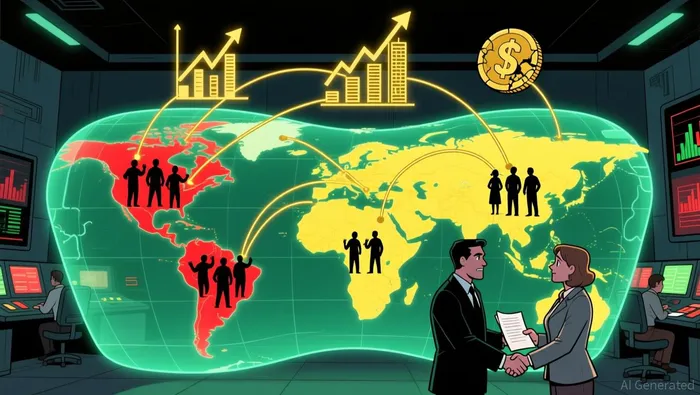 For example, if tensions rise in a key oil-producing region, an investor might increase exposure to energy stocks or hedge against price swings using options.
 - Diversification: Spreading investments across regions and asset classes can mitigate risks from localized geopolitical events. For example, holding a mix of U.S. and European stocks might reduce exposure to a single country’s political instability.
- Scenario Planning: Investors can prepare for different outcomes by modeling how specific events (e.g., a central bank raising interest rates) might affect their portfolio. This helps avoid panic selling during sudden market downturns.
Case Study: The 2022 Russia-Ukraine War and Energy Markets
In early 2022, Russia’s invasion of Ukraine triggered a sharp spike in energy prices. Geopolitical tensions immediately disrupted oil and gas supplies, while macroeconomic factors—like inflation and central bank responses—amplified the crisis. European energy stocks and natural gas prices surged initially, but as sanctions escalated and economies shifted toward renewables, volatility persisted. Investors who analyzed both the geopolitical risks and macroeconomic impacts (e.g., inflationary pressures) could have positioned their portfolios to capitalize on energy sector opportunities while hedging against currency risks.
Risks and Considerations
While these analyses are powerful tools, they are not foolproof. Geopolitical events are often unpredictable, and macroeconomic data can lag real-world changes. Overreliance on this approach might lead to missed opportunities or reactive decisions. To mitigate risks, investors should combine these analyses with fundamental research, diversification, and a clear risk management plan (e.g., setting stop-loss limits).
Conclusion
Geopolitical and macroeconomic analysis offers a lens through which investors can better understand the forces driving volatile assets. By staying informed about global events and economic trends, investors can time their decisions more strategically, reduce risk, and seize opportunities in uncertain markets. The key takeaway is to remain adaptable, use multiple sources of information, and always align your strategy with your financial goals and risk tolerance.







Comentarios
Aún no hay comentarios