
Geopolitical Fragmentation and Vaccine Demand Divergence: Reshaping Biopharma Investment Landscapes
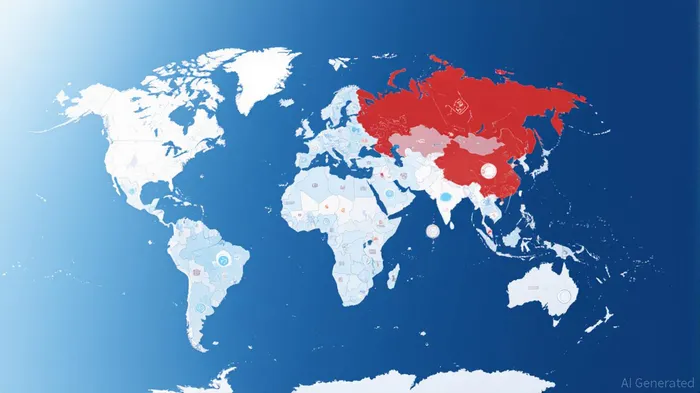
The biopharma sector in 2025 is navigating a fractured global landscape where public health policies and vaccine demand are diverging sharply across geopolitical regions. From the U.S. to the EU, China to India, localized strategies for immunization and disease prevention are creating both opportunities and risks for pharmaceutical companies. These divergences, driven by socio-economic disparities, political priorities, and cultural attitudes toward science, are reshaping revenue streams, market share dynamics, and investment flows in the industry.
Public Health Policy Divergence: A Global Patchwork
The U.S. has emerged as a cautionary tale in vaccine policy stability. Shifting leadership and politicization of public health have eroded trust in immunization programs, with mandates weakened and misinformation campaigns gaining traction[4]. This has stoked demand for private-sector solutions, particularly in niche therapeutic areas like mRNA technology and personalized vaccines. Conversely, the EU's European Immunization Agenda 2030 (EIA2030) has prioritized equitable access and disease eradication, leveraging digital tools like WHO/Europe's new data dashboard to track progress[1]. However, Central and Eastern European countries like Romania and Ukraine face persistent vaccine hesitancy, leading to outbreaks of preventable diseases and creating fragmented demand for pediatric and infectious disease vaccines[3].
China's approach combines domestic innovation with strategic vaccine diplomacy. The country has advanced its self-reliance in critical vaccines (e.g., HPV, pneumococcal) while exporting doses to Belt and Road nations under the “Health Silk Road” initiative[4]. This dual strategy has insulated Chinese biopharma firms from some global supply chain disruptions but has also drawn skepticism over vaccine efficacy and geopolitical motives. Meanwhile, India's vaccine market is booming, fueled by indigenous innovations like Cervavac and expanded rural immunization programs. However, low influenza vaccination rates (1.5% as of 2025) highlight gaps in coverage that could limit long-term growth[1].
Localized Demand and Biopharma Stock Performance
The divergence in vaccine demand has directly influenced biopharma stock valuations. Companies with strong footholds in high-growth markets like India and Southeast Asia have outperformed peers, while those reliant on U.S. and EU markets face headwinds from pricing pressures and regulatory uncertainty. For example, firms like Novo NordiskNVO-- and Eli LillyLLY-- have capitalized on the obesity and diabetes treatment boom, with revenue rising 25-32% in 2024[4]. However, patent expirations for key drugs (e.g., Stelara, Keytruda) and the U.S. Inflation Reduction Act's pricing caps threaten future margins[2].
Geopolitical tensions further complicate the picture. Tariffs and trade disputes have disrupted global supply chains, forcing biopharma firms to localize production—a costly but necessary shift for companies with manufacturing hubs in China, Europe, or India[3]. This has led to a surge in M&A activity, with 2025 Q1 deal values hitting $25 billion, the highest since late 2023[6]. Investors are also favoring firms with AI-driven R&D pipelines, as 87% of biopharma alliances now incorporate AI to accelerate drug discovery[3].
Investment Implications and Strategic Considerations
For investors, the key lies in hedging against regional volatility while capitalizing on innovation-driven growth. Firms with diversified geographic exposure—such as those balancing U.S. therapeutic dominance with emerging market vaccine contracts—are better positioned to weather policy shifts. Additionally, companies leveraging AI and localized manufacturing (e.g., through partnerships with GAVI or the WHO) are likely to outperform in a fragmented world[5].
Conclusion
The biopharma industry in 2025 is a microcosm of broader geopolitical and public health trends. As nations prioritize localized solutions to global challenges, investors must navigate a landscape where vaccine demand is as much a function of policy and culture as it is of science. The companies that thrive will be those agile enough to adapt to this fragmentation while innovating in high-growth therapeutic areas. For now, the sector remains a high-conviction play for those willing to balance short-term risks with long-term rewards.







Comentarios
Aún no hay comentarios