
Geopolitical Energy Transition: LNG Infrastructure and Alternative Energy Stocks in the EU's Post-Russian Gas Era
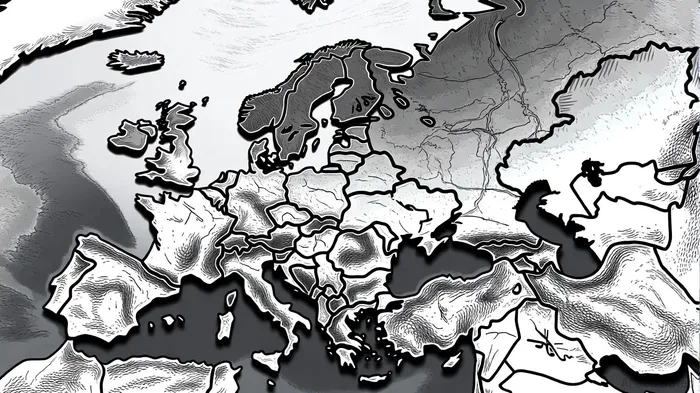
The European Union's accelerated phase-out of Russian gas imports, now targeting a full ban by 2027, is reshaping global energy markets and creating significant investment opportunities in liquefied natural gas (LNG) infrastructure and alternative energy stocks. Driven by geopolitical tensions and the REPowerEU initiative, the EU is rapidly diversifying its energy supply chains while scaling up renewable energy deployment. This transition, however, carries both risks and rewards for investors, as market dynamics shift toward energy security and decarbonization.
LNG Infrastructure: A Strategic Boon for U.S. and European Firms
The EU's pivot to LNGLNG-- has spurred a surge in regasification capacity expansion. By 2025, Europe's total LNG import capacity has grown to 255.3 million metric tons per annum (mtpa), with Germany, Belgium, and the Netherlands leading the charge. Projects like Germany's Stade FSRU (Floating Storage Regasification Unit) and Belgium's Zeebrugge Expansion 3 are critical to replacing Russian pipeline gas, which once supplied 46.5% of Europe's needs but now accounts for just 18%.
U.S. LNG exporters are poised to benefit most from this shift. The EU's recent trade pact with the U.S., announced in August 2025, commits to purchasing $750 billion in American energy resources from 2023 to 2028. Cheniere EnergyLNG-- (LNG), a leading U.S. LNG producer, is highlighted as a direct beneficiary, with its Sabine Pass and Corpus Christi terminals well-positioned to meet European demand. The company's stock has already risen 12.5% year-to-date, reflecting investor confidence in its export-driven growth.
Midstream energy firms like Enterprise Products PartnersEPD-- (EPD) and Energy TransferET-- (ET) are also gaining traction. EPD's pipeline and terminal infrastructure supports LNG transportation, while ET's Lake Charles terminal aligns with the EU's need for diversified supplies. However, challenges remain, including project delays in 2024 and the EU's 7% growth in LNG capacity—far below the 22% expansion seen between 2021 and 2023.
Alternative Energy Stocks: Riding the Renewable Wave
The EU's REPowerEU plan aims to source 45% of its energy from renewables by 2030, with solarSXP-- and wind at the forefront. This has fueled demand for companies like Vestas Wind Systems and First SolarFSLR--, which are expanding their presence in Europe. The European Investment Bank (EIB) has allocated €5 billion to support wind energy projects, directly benefiting Vestas.
NextEra Energy (NEE), a U.S. renewable energy giant, reported robust Q2 2025 results, with adjusted earnings rising 9% year-over-year to $2,164 million. Its Florida Power & Light division and NextEra EnergyNEE-- Resources segment are driving growth in wind, solar, and battery storage. The company's 29.5 GW renewable backlog underscores its alignment with EU decarbonization goals.
Grid infrastructure is another key area. Annual investments in EU grid upgrades are expected to exceed $70 billion in 2025, though bottlenecks persist due to supply chain dependencies on Chinese transformers and rising component costs. Companies specializing in grid modernization and energy storage are likely to see increased demand as the EU seeks to integrate intermittent renewables.
Geopolitical Risks and Market Volatility
While the EU's energy transition presents opportunities, it also introduces risks. The U.S.-led push for LNG exports has intensified competition among suppliers, potentially driving down prices. Additionally, the EU's reliance on U.S. LNG raises questions about long-term energy sovereignty, particularly if geopolitical tensions between Washington and Brussels resurface.
For alternative energy stocks, regulatory shifts and technological obsolescence pose challenges. For instance, the EU's focus on green hydrogen and battery storage could disrupt traditional renewable sectors if cost curves for emerging technologies fall faster than anticipated. Investors must also monitor the EU's progress in reducing price disparities among member states, which remain a barrier to market integration.
Conclusion: Strategic Opportunities in a Shifting Landscape
The EU's phase-out of Russian gas is a catalyst for both LNG infrastructure and renewable energy sectors. U.S. exporters like Cheniere and midstream players such as Enterprise Products Partners stand to gain from increased European demand, while renewable firms like NextEra Energy and Vestas benefit from policy-driven growth. However, investors must navigate geopolitical uncertainties, supply chain vulnerabilities, and regulatory shifts. For those willing to balance risk and reward, the energy transition offers a compelling long-term investment thesis.





Comentarios
Aún no hay comentarios