
Geopolitical Disruptions and the Strategic Resilience of Tanker Freight Markets in 2025
Geopolitical Catalysts Driving Freight Rate Volatility
The most immediate impact of geopolitical instability is the surge in oil tanker freight rates. In Q3 2025, spot rates for Very Large Crude Carriers (VLCCs) temporarily exceeded $100,000 per day, driven by tensions in the Strait of Hormuz and the redirection of vessels away from the Red Sea. These rerouted ships, forced to take longer paths around the Cape of Good Hope, have increased ton-mile demand by 6% in 2024 alone, directly inflating operational costs. For example, the U.S. and China's mutual imposition of port tariffs on each other's vessels has further complicated trade flows, creating a ripple effect across global tanker markets.
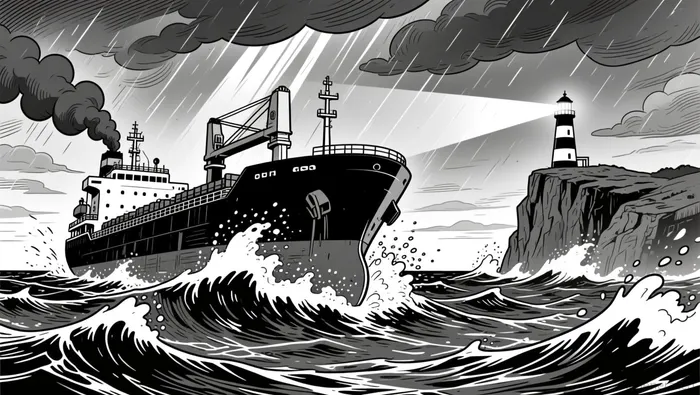
The shadow fleet-comprising unsanctioned vessels transporting crude from Russia, Iran, and Venezuela-has also disrupted traditional tanker operations. While these grey fleet operators have captured significant trade flows to China and India, their dominance poses a risk to mainstream tanker earnings. However, analysts suggest that any tightening of sanctions on shadow fleets could act as a positive catalyst for conventional operators, as demand for compliant shipping services rebounds.
Strategic Investment Opportunities in a Fragmented Market
Despite the volatility, the tanker sector presents compelling investment opportunities. First, fleet optimization is a key trend. Companies like Great Eastern Shipping Company are divesting older vessels (e.g., the 2005-built Jag Pooja) and acquiring newer, more efficient dry bulk carriers to align with shifting demand patterns. Such strategic adjustments reflect a broader industry shift toward modernizing fleets to meet evolving trade needs.
Second, the rise of direct shipping routes between China and South America underscores the sector's adaptability. For instance, MSC and COSCO have launched weekly direct services from Ningbo to Callao, reducing transit times from 45 to 21–23 days. These routes not only enhance trade efficiency for commodities like copper and Peruvian fruit but also reduce reliance on traditional, longer routes that are vulnerable to geopolitical shocks.
Third, the projected recovery in Asian crude demand offers a long-term tailwind. Analysts forecast VLCC rates to average $50,000–$60,000 per day in 2025, supported by new refining capacity in Asia and increased production from the U.S. and Brazil. China's continued appetite for oil imports remains a cornerstone of this demand, though structural challenges like its real estate slowdown and trade barriers could temper growth.
Navigating Risks and Structural Challenges
Investors must also contend with persistent risks. The adoption of alternative energy sources, such as LNG and electric vehicles, threatens to erode long-term demand for oil tankers. Additionally, only 8% of the global fleet is equipped for alternative fuels, highlighting the sector's vulnerability to decarbonization pressures.
Geopolitical tensions remain a wildcard. The U.S.-China trade war, sanctions on Russian oil, and conflicts in the Red Sea have created a highly unpredictable environment. For example, in Q3 2025, U.S. sanctions on Russian oil companies like Rosneft and Lukoil prompted Chinese firms to temporarily halt Russian crude imports. Such abrupt shifts in trade dynamics underscore the need for diversified portfolios and hedging strategies.
Conclusion: A Sector of Resilience and Opportunity
The tanker freight and shipping logistics sector is at a crossroads. While geopolitical disruptions have introduced volatility, they have also accelerated innovation and strategic realignment. Investors who focus on fleet modernization, regional demand growth (particularly in Asia), and the potential normalization of sanctions against shadow fleets are well-positioned to capitalize on this evolving landscape.
As the world grapples with the dual forces of energy transition and geopolitical fragmentation, the tanker market's ability to adapt-through route optimization, digital transformation, and regulatory compliance-will define its resilience. For those willing to navigate the turbulence, the rewards could be substantial.







Comentarios
Aún no hay comentarios