
Geopolitical Crossroads: How US-Ukraine Tensions Reshape Defense Investments and Regional Stability
The diplomatic and military dynamics between the U.S. and Ukraine in 2025 have reached a critical juncture. As ambassadorial roles remain in flux and military aid faces unprecedented suspensions, investors must navigate the geopolitical ripple effects on defense sector valuations, regional trade, and long-term stability. This analysis explores how shifting alliances and policy shifts could redefine investment opportunities—and risks—in one of the world's most volatile theaters.
Ambassadorial Shifts: A Diplomatic Tightrope
The U.S. Embassy in Kyiv is currently led by Julie S. Davis, who assumed the role of Acting Chargé d'Affaires in May 2025 following the resignation of Ambassador Bridget Brink. Davis's interim status highlights the uncertainty around a permanent replacement, with potential candidates like Christopher Smith (a seasoned diplomat with Kyiv experience) awaiting Senate confirmation. Meanwhile, President Zelenskiy is reportedly considering replacing Ukraine's own ambassador to the U.S., Oksana Markarova, due to strained ties with the Trump administration.
This diplomatic limbo matters for investors: inconsistent leadership risks delaying critical decisions on aid, sanctions, or peace negotiations. A prolonged interim period could embolden Russia to escalate attacks, further destabilizing the region. Conversely, a swift, strong U.S. ambassadorial appointment might stabilize military logistics and reassure allies—a positive signal for defense contractors reliant on Ukrainian demand.
The Suspension of Military Aid: A Strategic Pivot with Ripple Effects
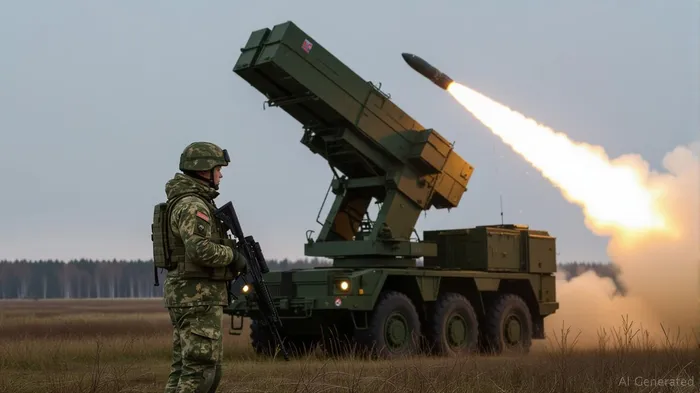
The Trump administration's suspension of military aid—including Patriot missiles and intelligence support—has upended the U.S.'s role in Ukraine's defense. While the U.S. cited “America First” priorities, the move left Kyiv vulnerable to Russian drone strikes and territorial advances. However, European nations stepped into the vacuum, with EU defense spending surpassing U.S. contributions by April 2025 (72 billion euros vs. 65 billion dollars).
This shift reshapes the defense investment landscape:
- European defense stocks (e.g., MBDA, Airbus, Thales) may gain traction as EU allies ramp up arms production.
- U.S. defense giants like Raytheon (producer of Patriot systems) face near-term headwinds if contracts are redirected to other regions.
Defense Sector Implications: Winners and Losers in a Shifting Landscape
The geopolitical realignment has created both opportunities and pitfalls:
1. Winners:
- European defense firms benefit from EU's increased spending on air defense systems.
- Diversified U.S. contractors (e.g., Lockheed Martin, which supplies both NATO and non-U.S. allies) may weather U.S. policy shifts.
- ETFs tracking defense stocks (e.g., SPDR S&P Defense ETF (XAR)) offer broad exposure.
- Losers:
- U.S. firms overly reliant on Kyiv-bound contracts (e.g., Patriot missile manufacturers) could see reduced revenue.
- Tech firms in cybersecurity or satellite imagery (e.g., Maxar Technologies) may face delays in Ukraine-specific projects.
Regional Stability and Investment Climate
The prolonged conflict and U.S. withdrawal create a dual-edged scenario:
- Upside: Heightened global defense spending (driven by fears of regional contagion) could lift sector valuations.
- Downside: Instability in Ukraine risks deterring investments in energy, infrastructure, or real estate in neighboring regions.
Investors should prioritize geographically diversified portfolios and avoid overexposure to conflict-affected sectors like Ukrainian agriculture or energy. Meanwhile, cybersecurity firms (e.g., Palo Alto Networks) may see demand rise as Eastern Europe becomes a testing ground for hybrid warfare tactics.
Investment Recommendations
- Short-Term:
- Buy into European defense stocks as EU nations bolster their arsenals.
Avoid U.S.-specific contractors tied to Kyiv-bound aid until policy clarity emerges.
Long-Term:
- Allocate to defense ETFs for exposure to both Western and Asian (e.g., India, Japan) defense spending trends.
Monitor geopolitical risk indices (e.g., CBOE Geopolitical Risk Index) to time entries/exit points.
Avoid:
- Direct investments in Ukrainian equities or real estate until the conflict de-escalates.
- Overweight positions in U.S. defense firms with narrow exposure to Kyiv.
Conclusion
The U.S.-Ukraine diplomatic and military stalemate in 2025 underscores the growing role of Europe in regional security—and the corresponding investment opportunities. While uncertainty persists, astute investors can capitalize on shifts in defense spending, diversify across regions, and hedge against geopolitical volatility. As the saying goes: In times of conflict, the best defense is a well-researched portfolio.
Stay vigilant, and let the data guide your decisions.





Comentarios
Aún no hay comentarios