
Geopolitical Crossroads: How Kabila's Return to Goma Redefines Investment in DRC's Mineral Wealth
The Democratic Republic of Congo (DRC) stands at a pivotal juncture. The recent return of former President Joseph Kabila to Goma—a city under the control of the Rwanda-backed M23 rebels—has reignited geopolitical tensions and cast a shadow over the region's stability. Yet, beneath the surface of conflict lies a treasure trove of cobalt, copper, and coltan, minerals critical to global supply chains for electric vehicles, renewable energy, and advanced technology. For investors, this is a moment of stark contrasts: immense risk and even greater opportunity.
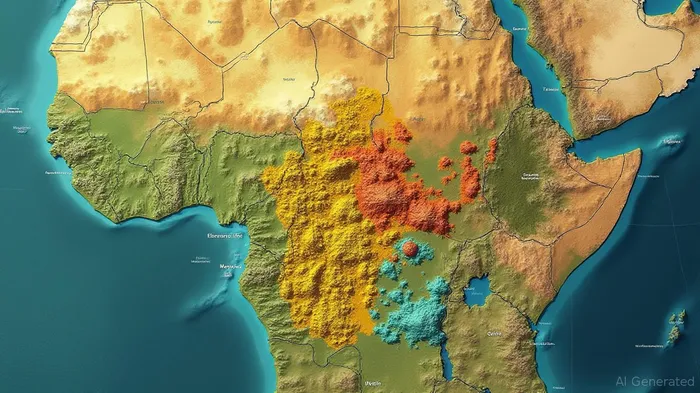
The Geopolitical Tightrope: Risks and Rewards
Kabila's return to Goma on May 23, 2025, marks a direct challenge to President Felix Tshisekedi's administration. His allianceAENT-- with the M23 rebels and the Congo River Alliance (AFC) has destabilized the region, with accusations of treason and war crimes against Kabila escalating tensions. The DRC Senate's decision to strip Kabila of parliamentary immunity—and the subsequent legal charges—signal a government crackdown, but they also highlight the fragility of the political landscape.
The immediate risk? Disruption of mining operations in the eastern provinces, where 60–70% of the DRC's cobalt and 30% of its copper reserves lie. M23's territorial control over areas like Katasomwa (a gold-rich region) and clashes with pro-government militias threaten supply chains. Yet, this volatility also creates an opening for investors who can navigate the chaos.
The Mineral Bonanza: Why the DRC Remains a Must-Hold
The DRC's mineral wealth is unmatched. Cobalt, a key component in lithium-ion batteries, accounts for over 70% of global reserves. Coltan, essential for capacitors in smartphones, and copper, critical for renewable energy infrastructure, are equally vital. U.S. and EU demand for these resources has surged, driven by policies like the Inflation Reduction Act (IRA) and the EU Critical Raw Materials Act.
For investors, the DRC's geopolitical instability is a short-term hurdle. Long-term, the region's resource potential is undeniable. Companies with stable partnerships, transparent supply chains, and local community ties are poised to capitalize.
U.S. Strategic Interests: A New Era of Engagement
The U.S. has doubled down on African mineral diplomacy, framing the DRC as a linchpin in its “Critical Minerals Strategy.” The Biden administration's $13 billion Africa Infrastructure Investment Program aims to secure cobalt and lithium supplies while curbing Chinese dominance. Meanwhile, U.S. brokers like the State Department and the International Republican Institute are mediating peace talks, leveraging the DRC's mineral leverage to incentivize stability.
Investors should watch for three catalysts:
1. U.S.-backed security agreements to protect mining zones.
2. De-risking initiatives like the Responsible Minerals Initiative (RMI), which verifies conflict-free sourcing.
3. Joint ventures between Western firms and DRC state-owned entities, such as Gécamines.
Act Now: The Case for Strategic Investment
The DRC is not a place for the faint-hearted. However, the strategic value of its minerals—coupled with U.S. geopolitical backing—creates a compelling case for diversified exposure to the region.
- Short-term plays: Invest in companies with hedged supply contracts, such as Glencore (GLEN), which operates the Mutanda cobalt-copper mine.
- Long-term bets: Look to artisanal mining certifications and tech firms like IBM, which use blockchain to track conflict-free minerals.
- Geopolitical hedges: Consider ETFs like the Materials Select Sector SPDR Fund (XLB), which includes mining stocks.
Conclusion: Riding the Wave of Uncertainty
Kabila's return to Goma is a reminder that the DRC's future is a high-stakes gamble. Yet, in the words of former U.S. Secretary of State Hillary Clinton, “The DRC is too big to fail.” Its mineral reserves are too vital to global industries to ignore.
For investors willing to stomach near-term volatility, the DRC offers a once-in-a-generation opportunity to secure positions in a resource-rich region underpinned by U.S. strategic interests. The time to act is now—before stability returns, competition intensifies, and the world's hunger for critical minerals drives prices higher.
The DRC is not just a country—it's a market. And right now, it's open for business.







Comentarios
Aún no hay comentarios