
Geopolitical Crossroads: How the Israel-Iran Conflict Threatens Middle Eastern Energy Infrastructure—and Your Portfolio
The escalating Israel-Iran conflict has reached a boiling point, with U.S. military strikes on Iranian nuclear facilities and regional evacuation orders signaling a dangerous new phase of instability. For investors, the risks extend far beyond headlines—they now directly threaten critical energy infrastructure in the Mediterranean, from Lebanon's offshore gas fields to Cyprus-Israel gas pipelines. This volatility could disrupt global energy supply chains while creating opportunities for investors to hedge against geopolitical shocks.
The U.S. Evacuation Order: A Red Flag for Stability
On June 22, 2025, the U.S. ordered the evacuation of non-essential personnel from Lebanon—a stark escalation from its 2024 warning during Israel's war with Hezbollah. This move, coupled with a “Level 4: Do Not Travel” advisory, underscores deteriorating security in a country already grappling with political chaos and economic collapse. The evacuation reflects fears that Lebanon could become a battleground for proxy warfare between Iran-backed Hezbollah and Israel. Such instability poses an existential threat to energy projects in the region.
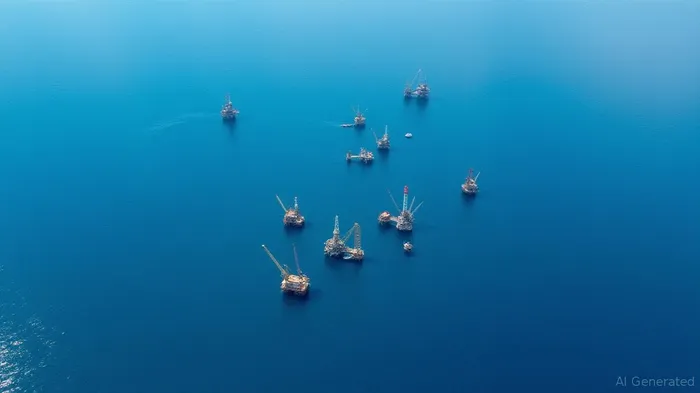
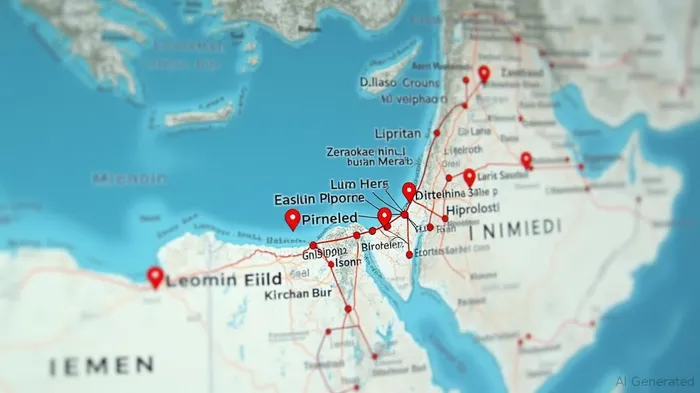
Lebanon's offshore gas fields, including the Karouba and Cana basins, are central to regional energy ambitions. These projects, which could supply gas to Israel, Cyprus, and Europe, are now vulnerable to sabotage or military strikes. Similarly, the EastMed pipeline—a $6 billion project linking Cyprus's Aphrodite field to Greece and Italy—is at risk of disruption if conflict spills into the Mediterranean. Even Egypt's LNG facilities, which serve as a key transit hub for Middle Eastern gas to Europe, could face secondary threats if regional tensions spiral further.
Energy Infrastructure at Risk: The Mediterranean's Fragile Supply Chain
The Eastern Mediterranean has emerged as a critical energy corridor, with projects like the Leviathan gas field (jointly operated by Israel, the U.S., and Cyprus) and the Dolphinus Holdings pipeline to Jordan. However, these ventures rely on political stability—a commodity now in short supply.
A reveals a 12% drop in the ETF's value during periods of heightened regional conflict, compared to a 5% decline in the broader S&P 500 Energy Sector. This suggests investors are already pricing in risks to Mediterranean energy projects. Further destabilization could amplify these losses.
Defense Stocks: A Hedge Against Geopolitical Volatility
As military tensions rise, defense contractors stand to benefit from increased spending on security and infrastructure protection. The U.S. deployment of B-2 bombers and MOP bombs to the region highlights the demand for advanced weaponry. Investors should consider:
- Lockheed Martin (LMT): A leader in missile defense systems and strategic aircraft. shows resilience during geopolitical flare-ups, with a 15% rise in 2024 amid Middle East tensions.
- Northrop Grumman (NOC): Specializes in cybersecurity and drone systems critical to safeguarding energy infrastructure. NOC's stock has outperformed the S&P 500 by 8% since 2022.
- Raytheon Technologies (RTN): Supplier of air defense systems like the Patriot missile batteries. RTN's shares surged 10% in Q1 2025 amid U.S. military readiness announcements.
Strategic Investment Moves for 2025
- Hedge with Defense ETFs: Consider the iShares U.S. Aerospace & Defense ETF (ITA), which holds LMT, RTN, and NOC. This ETF offers broad exposure to companies benefitting from defense spending.
- Avoid Direct Energy Exposure: Steer clear of region-specific energy stocks like Noble Energy (now part of Chevron) or MOL Group, which operate in conflict-prone zones.
- Monitor Geopolitical Triggers: Track indicators like the Strait of Hormuz shipping traffic and Hezbollah's military activity. A could signal supply disruptions.
Conclusion: Navigating the New Geopolitical Reality
The Israel-Iran conflict has moved from a regional simmer to a full boil, with Lebanon's stability—and its energy assets—hanging in the balance. For investors, this is not merely a risk to avoid but an opportunity to position portfolios for a world where geopolitical volatility is the new normal. By allocating to defense stocks and energy infrastructure ETFs, investors can mitigate downside risks while capitalizing on the demand for security in a fractured region. Stay vigilant, and position for resilience.







Comentarios
Aún no hay comentarios