
Next-Generation Depression Treatments: A Deep Dive into Neuromodulation and Psychedelic Therapeutics
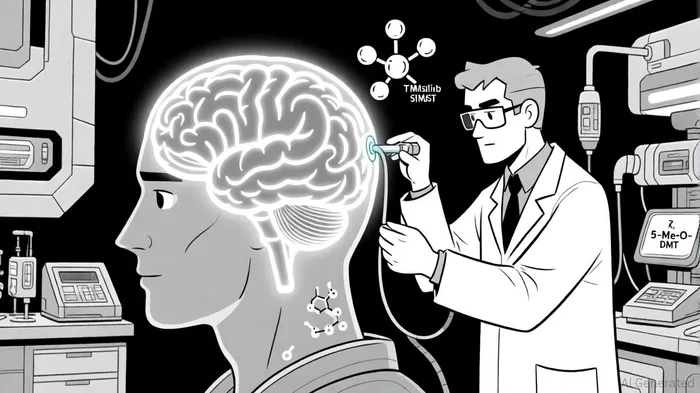
The treatment of depression is undergoing a paradigm shift, driven by breakthroughs in neuromodulation and psychedelic therapeutics. These two fields, once considered niche or experimental, are now attracting significant investment and regulatory attention as they offer novel solutions for treatment-resistant depression—a condition affecting over 26 million adults in the U.S. alone. For investors, the intersection of neuroscience, technology, and policy presents a compelling opportunity, albeit with complex risks.
Neuromodulation: Precision and Personalization
Neuromodulation, which involves altering neural activity through electrical or magnetic stimulation, has emerged as a cornerstone of next-generation depression therapies. Non-invasive techniques like transcranial magnetic stimulation (TMS) and transcranial direct current stimulation (tDCS) are gaining traction due to their ability to modulate brain excitability without systemic side effects. According to a report by Grand View Research, the global neuromodulation market was valued at USD 8.09 billion in 2024 and is projected to reach USD 25.51 billion by 2034, growing at a compound annual growth rate (CAGR) of 12.17% [1].
Key drivers include advancements in device miniaturization and artificial intelligence (AI)-enabled personalization. For instance, Abbott's clinical trials for psychiatric neuromodulation therapies highlight the sector's expansion into mental health applications [2]. Spinal cord stimulators and deep brain stimulators currently dominate the market, but psychiatric applications are expected to capture a larger share as reimbursement policies improve and regulatory hurdles ease. However, challenges persist: high upfront costs, limited access to trained professionals, and complex regulatory pathways remain barriers, particularly in emerging markets [3].
Psychedelic Therapeutics: From Taboo to Mainstream
Psychedelic compounds, once stigmatized, are now at the forefront of mental health innovation. Psilocybin, ketamine, and 5-MeO-DMT are leading the charge, with clinical trials demonstrating rapid and sustained antidepressant effects. A Phase 3 trial of psilocybin showed statistically significant reductions in treatment-resistant depression, positioning it as a potential blockbuster therapy [4]. Meanwhile, Beckley Psytech's intranasal 5-MeO-DMT (BPL-003) achieved a 50% recovery rate in a Phase 2b trial, with remission maintained after one month [5].
The market for psychedelic therapeutics is equally dynamic. Valued at USD 3.9 billion in 2024, it is projected to grow to USD 18.7 billion by 2033 at a CAGR of 18.9% [6]. Ketamine currently dominates with a 45.1% market share, but psilocybin's 18.3% annual growth rate underscores its therapeutic potential. Institutional confidence is surging: AbbVie's $2 billion acquisition of Gilgamesh Pharmaceuticals and the merger of atai Life SciencesATAI-- and Beckley Psytech in June 2025 signal a maturing industry [7]. Regulatory tailwinds, including the FDA's “expedited review” under Commissioner Marty Makary, further bolster optimism [8].
Investment Considerations: Balancing Risk and Reward
Both sectors present unique investment dynamics. Neuromodulation's growth is anchored in established medical infrastructure and a clear path to reimbursement, though its reliance on capital-intensive devices may limit scalability. Psychedelic therapeutics, by contrast, faces regulatory uncertainty but offers higher upside potential, particularly if psilocybin gains FDA approval by 2027 as some experts predict [9].
For investors, diversification across both fields may mitigate risk. Neuromodulation companies like Medtronic and AbbottABT-- provide stable, incremental growth, while psychedelic firms such as MindMed and CybinCYBN-- offer exposure to high-reward, high-volatility opportunities. However, due diligence is critical: the psychedelic sector's recent funding slowdown—from $100 million+ Series A rounds in 2024 to $5 million in Q4 2024—highlights the importance of evaluating clinical data and regulatory timelines [10].
Conclusion: A New Era in Mental Health
The convergence of neuromodulation and psychedelic therapeutics marks a transformative era in depression treatment. While neuromodulation offers precision and scalability, psychedelics promise rapid, profound therapeutic effects. For investors, the key lies in aligning with companies that demonstrate robust clinical evidence, strategic partnerships, and regulatory agility. As the global mental health crisis intensifies, these innovations are not just medical milestones—they represent a multibillion-dollar opportunity to redefine care.





Comentarios
Aún no hay comentarios