
Gender Leadership Shifts in the Mining Sector: Strategic Governance and Long-Term Value Creation
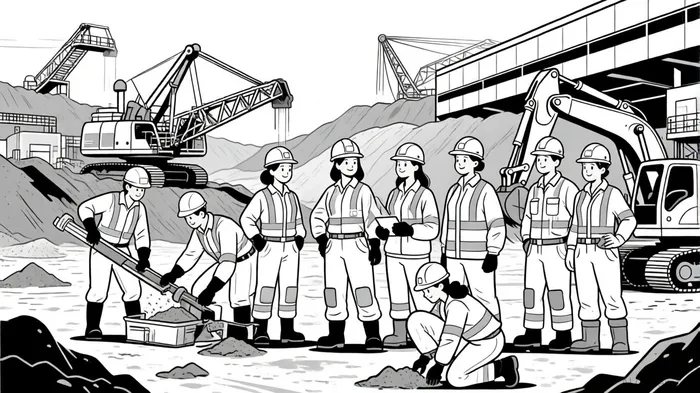
The mining sector, long characterized by its male-dominated workforce and hierarchical governance structures, is undergoing a quiet but significant transformation. As global markets increasingly prioritize sustainability, equity, and operational efficiency, gender diversity in leadership has emerged as a critical lever for long-term value creation. For investors, understanding the interplay between gender representation and corporate performance is no longer optional—it is a strategic imperative.
The Current Landscape: Persistent Gaps and Incremental Progress
Despite incremental gains, gender representation in mining leadership remains starkly imbalanced. As of 2025, women constitute only 10–15% of the global mining workforce, with their presence in executive and board-level roles dropping to single digits in many regions[1]. In Canada, for instance, women make up 17% of the workforce but hold less than 10% of board seats[2]. These figures underscore systemic barriers rooted in cultural norms, institutional inertia, and a lack of targeted policies.
However, the tide is shifting. Companies like BHPBHP-- have demonstrated that deliberate efforts can yield measurable results: their female workforce grew from 21% in 2017 to 32% in 2022[3]. Such progress, while modest, aligns with broader industry trends. Research from McKinsey highlights that gender-diverse mining firms are 25–35% more likely to outperform peers in profitability and operational efficiency[4].
Strategic Governance: Linking Diversity to Performance
The correlation between gender diversity and corporate performance is not coincidental. Studies reveal that companies with gender-balanced leadership teams exhibit:
- 23% better safety compliance in operations[5],
- 15% higher ESG scores[5], and
- 67% lower injury rates in mixed-gender crews[3].
These outcomes are not merely ethical wins—they are financial ones. For example, BHP's diverse teams reduced injury rates significantly, directly lowering operational costs and enhancing stakeholder trust. Similarly, firms with robust DEI policies report a 25% higher social license to operate, a critical metric in an industry often scrutinized for environmental and social impacts[6].
The governance implications are profound. Boards with gender diversity are more likely to adopt inclusive decision-making frameworks, prioritize community engagement, and integrate sustainability into core strategies. This alignment with ESG criteria not only attracts socially conscious investors but also mitigates regulatory and reputational risks.
Challenges and the Path Forward
Progress, however, is uneven. Cultural barriers persist: 30% of women in mining report experiencing gender-based discrimination[5], while 50% cite a lack of mentorship as a career barrier[3]. Additionally, wage gaps (20–40% lower pay for women[1]) and inflexible work arrangements continue to deter talent retention.
Addressing these challenges requires systemic change. Leading firms are implementing targeted interventions:
- Mentorship programs to accelerate female leadership pipelines,
- Flexible work policies to support work-life balance, and
- Inclusive recruitment practices to diversify talent pools[3].
Initiatives like the World Bank's Extractives Global Programmatic Support (EGPS) further amplify these efforts by promoting women-led ventures and inclusive governance models[5]. For investors, supporting companies that embed such practices into their DNA is a hedge against volatility and a catalyst for sustainable growth.
Investment Implications: A Call for Inclusive Capital Allocation
For investors, the data is clear: gender diversity is a value driver. Firms with gender-inclusive leadership are better positioned to:
1. Enhance operational efficiency through improved safety and collaboration[3],
2. Secure long-term social licenses by aligning with community expectations[6], and
3. Outperform peers in ESG metrics, a growing determinant of market valuation[4].
Moreover, regulatory tailwinds are strengthening. The EU's Corporate Sustainability Reporting Directive (CSRD) and similar frameworks globally are pushing firms to disclose diversity metrics, making transparency a competitive advantage. Investors who prioritize companies with proactive DEI strategies are likely to see both risk mitigation and alpha generation.
Conclusion
The mining sector's gender leadership shift is not a fleeting trend but a strategic recalibration. While challenges remain, the evidence linking diversity to performance is compelling. For investors, the question is no longer whether to care about gender equity in mining—but how to act decisively. By allocating capital to firms that prioritize inclusive governance, investors can drive both financial returns and a more equitable future.





Comentarios
Aún no hay comentarios