
Gen Z Stare: Unpacking the Meaning Behind the Blank Look
PorAinvest
miércoles, 16 de julio de 2025, 12:10 am ET1 min de lectura
CRM--
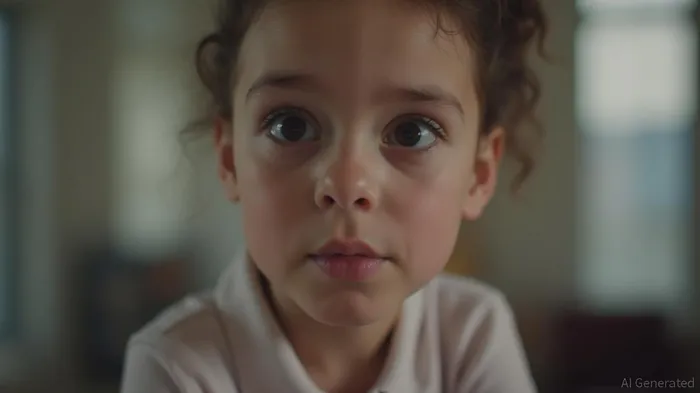
The term "Gen Z Stare" was coined by millennials to describe the vacant, non-responsive looks they observe from younger workers. TikTok videos and comments have fueled the debate, with some users arguing that the stare is a reflection of workplace awkwardness or underdeveloped communication skills. Others, however, push back, suggesting that the stare is a response to nonsensical requests or a sign of disinterest in small talk.
Not all Gen Zers agree with the interpretation. Some commenters identify as Gen Z customer service workers who stare down nonsensical requests. One TikToker argued that the stare is simply a way to process information or gather thoughts before responding.
The "Gen Z Stare" discourse extends beyond retail work, with conversations cropping up online about the generation's communication skills in both everyday life and the corporate workplace. Some users have complained about receiving deadpans when holding doors open for young people or greeting them on the street.
The pandemic may have played a role in the development of these communication skills. Some commenters suggest that the lack of normal social interactions during the pandemic has contributed to the stare.
The debate over the "Gen Z Stare" serves as a reminder that people often take note of workplace mannerisms, whether they interpret them correctly or not. It also underscores the importance of understanding and adapting to generational differences in the workplace.
References:
[1] https://www.businessinsider.com/what-is-gen-z-stare-tiktok-examples-workplace-communication-skills-2025-7
[2] https://techbuild.africa/salesforce-ai-agent-1m-customer-interactions/
[3] https://www.newsweek.com/gen-z-stare-millennials-calling-out-online-2098517
The Gen Z stare, a blank look given in customer-facing situations, has sparked intergenerational debates on TikTok. Users have interpreted it as a challenge to the customer's entitlement, a sign of frustration, or simply a way to express disinterest. Some Gen Z-ers themselves are unsure what it means, with some commenters convincing one creator that her initial interpretation was wrong. The debate highlights the complexities of communication between generations and the nuances of social etiquette.
The "Gen Z Stare" has emerged as a viral phenomenon, sparking heated debates on TikTok and beyond. This blank, emotionless look, often given in customer-facing situations, has been interpreted as a challenge to customers' entitlement, a sign of frustration, or simply a way to express disinterest. The debate highlights the complexities of communication between generations and the nuances of social etiquette.The term "Gen Z Stare" was coined by millennials to describe the vacant, non-responsive looks they observe from younger workers. TikTok videos and comments have fueled the debate, with some users arguing that the stare is a reflection of workplace awkwardness or underdeveloped communication skills. Others, however, push back, suggesting that the stare is a response to nonsensical requests or a sign of disinterest in small talk.
Not all Gen Zers agree with the interpretation. Some commenters identify as Gen Z customer service workers who stare down nonsensical requests. One TikToker argued that the stare is simply a way to process information or gather thoughts before responding.
The "Gen Z Stare" discourse extends beyond retail work, with conversations cropping up online about the generation's communication skills in both everyday life and the corporate workplace. Some users have complained about receiving deadpans when holding doors open for young people or greeting them on the street.
The pandemic may have played a role in the development of these communication skills. Some commenters suggest that the lack of normal social interactions during the pandemic has contributed to the stare.
The debate over the "Gen Z Stare" serves as a reminder that people often take note of workplace mannerisms, whether they interpret them correctly or not. It also underscores the importance of understanding and adapting to generational differences in the workplace.
References:
[1] https://www.businessinsider.com/what-is-gen-z-stare-tiktok-examples-workplace-communication-skills-2025-7
[2] https://techbuild.africa/salesforce-ai-agent-1m-customer-interactions/
[3] https://www.newsweek.com/gen-z-stare-millennials-calling-out-online-2098517
Divulgación editorial y transparencia de la IA: Ainvest News utiliza tecnología avanzada de Modelos de Lenguaje Largo (LLM) para sintetizar y analizar datos de mercado en tiempo real. Para garantizar los más altos estándares de integridad, cada artículo se somete a un riguroso proceso de verificación con participación humana.
Mientras la IA asiste en el procesamiento de datos y la redacción inicial, un miembro editorial profesional de Ainvest revisa, verifica y aprueba de forma independiente todo el contenido para garantizar su precisión y cumplimiento con los estándares editoriales de Ainvest Fintech Inc. Esta supervisión humana está diseñada para mitigar las alucinaciones de la IA y garantizar el contexto financiero.
Advertencia sobre inversiones: Este contenido se proporciona únicamente con fines informativos y no constituye asesoramiento profesional de inversión, legal o financiero. Los mercados conllevan riesgos inherentes. Se recomienda a los usuarios que realicen una investigación independiente o consulten a un asesor financiero certificado antes de tomar cualquier decisión. Ainvest Fintech Inc. se exime de toda responsabilidad por las acciones tomadas con base en esta información. ¿Encontró un error? Reportar un problema




Comentarios
Aún no hay comentarios