
Gen Z's Reshaping of the Adult Toy Market: High-Growth Brands to Watch in 2025
The toy industry is undergoing a seismic shift, driven by Gen Z's unique blend of nostalgia, mental health awareness, and a rejection of traditional adulthood. What was once a market dominated by children has now expanded into a $114.4 billion global industry in 2024, with adults accounting for 28% of global toy sales, according to a GMInsights toy-market report. This "kidult" trend-where adults seek toys for emotional comfort, collectibility, and self-expression-is creating fertile ground for high-growth brands. For investors, the intersection of Gen Z's cultural influence and the adult-oriented toy market offers a compelling opportunity.
The Rise of Nostalgia-Driven Brands
Brands like Jellycat and Squishmallows have become cultural touchstones for Gen Z and adult consumers alike. Jellycat, a British soft toy brand, reported $450 million in revenue in 2024, fueled by its "ultra-soft" plush designs that cater to Gen Z's demand for tactile comfort amid rising mental health challenges, according to a CNBC profile. Similarly, Squishmallows-squishy, huggable plush toys-have captured 20% of U.S. plush toy sales from adult consumers in 2024, with two-thirds of the market's growth attributed to this demographic, per a CNN report.
These brands thrive by aligning with Gen Z's values. Jellycat's partnership with fashion runways and pop culture events, as detailed in a Fortune profile, reflects a strategic pivot toward adult audiences seeking both nostalgia and social status. Meanwhile, Squishmallows' viral appeal on TikTok and Instagram underscores the role of social media in driving collectibility and community engagement, according to Circana coverage.
Strategic Shifts by Legacy Brands
Legacy toy companies are also adapting to the adult-oriented shift. Lego, for instance, has expanded its product line to include high-priced, intricate sets like the 1,920-piece "Batman Batcave," which appeals to collectors and hobbyists. This strategy has paid off: Lego's adult-focused segment now generates $10 billion annually, with a 15% year-over-year growth rate, per Yahoo Finance coverage. Similarly, Mattel has launched limited-edition Barbie Dreamhouses and Hot Wheels collectibles tailored to adult enthusiasts, leveraging nostalgia while commanding premium prices, as noted in a GSNMC roundup.
The success of these brands lies in their ability to blend emotional resonance with premium pricing. For example, Lego's adult sets average $150–$300, significantly higher than traditional children's kits, yet they sell out within hours due to their perceived value as both toys and art, according to Simon‑Kucher insights.
Financial Performance and Market Projections
The financial metrics of these brands highlight their investment potential. The global toy market is projected to grow at a 6% CAGR, reaching $203.1 billion by 2034, according to the GMInsights analysis. In the U.S., adult toy sales surged 12% in Q1 2025, with adults spending $1.8 billion-a stark contrast to the stagnant children's market, per a Zhorya analysis. Jellycat's revenue growth alone outpaces the industry average, with its 2024 sales up 30% year-over-year (see the CNBC profile referenced above).
Retailers are also capitalizing on this trend. Target reported a 3% sales boost in Q3 2024 after introducing Gen Z-favored products like sex toys and wellness items alongside traditional toys, according to a New York Post report. This omnichannel approach-blending physical and digital engagement-has become a blueprint for success in the adult toy sector.
Why This Trend Matters for Investors
The adult-oriented toy market is not a fleeting fad but a structural shift in consumer behavior. Gen Z's rejection of traditional adulthood-prioritizing mental health, self-care, and community-has created a demand for products that offer both emotional and tactile value. For investors, this means prioritizing brands that:
1. Leverage nostalgia (e.g., Lego's Star Wars sets, Barbie collectibles).
2. Emphasize collectibility and exclusivity (e.g., limited-edition Squishmallows, Pokémon trading cards).
3. Align with Gen Z values (sustainability, social responsibility, and authenticity).
Brands like Jellycat and Lego are already demonstrating how to monetize these trends. However, the market remains fragmented, with opportunities for innovation in areas like AR-integrated toys or subscription-based collectibles, as suggested in an InsightTrends post.
Conclusion
As Gen Z continues to redefine adulthood, the toy industry's evolution from childhood-centric to adult-oriented is inevitable. For investors, the key lies in identifying brands that can balance nostalgia with innovation while capturing the discretionary spending power of a generation that values authenticity and emotional connection. The next decade will likely see the adult toy market outpace traditional segments, making it a critical area for strategic investment. 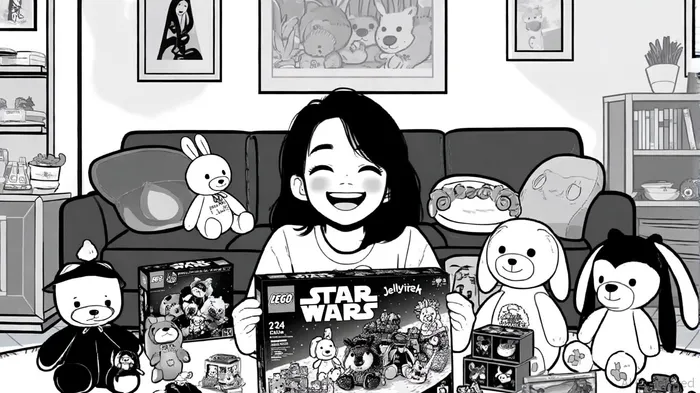







Comentarios
Aún no hay comentarios