
Gen Z's Career Revolution: A Structural Shift in Workforce Dynamics
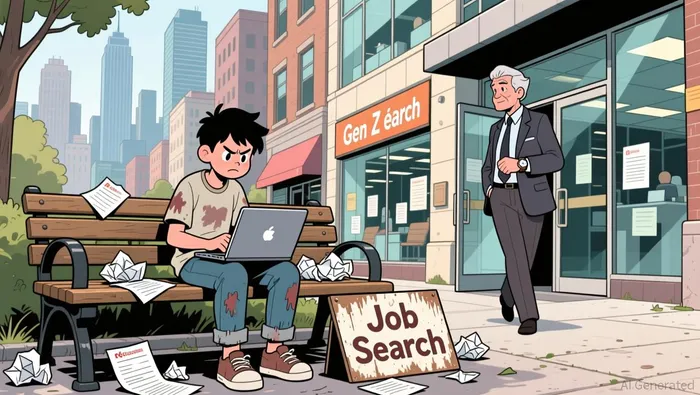
The narrative around Gen Z often centers on individual choices or perceived flaws. The deeper story, however, is one of a vanishing structural pathway. The traditional career pipeline-where entry-level roles served as the first rung-is actively collapsing, forcing a generation to innovate or stagnate. This is not a generational failing but a systemic shift in how work is structured and accessed.
The most direct evidence is a dramatic contraction in opportunity. Since January 2024, global job postings for roles requiring 0–2 years of experience have declined by an average of 29 percentage points. This isn't a minor dip; it's a fundamental reshaping of the entry point. Sectors like tech and finance have seen declines of 35% and 24% respectively, directly limiting the traditional on-ramps for new talent. In the UK, the scale of the mismatch is stark: nearly one million young people between 16 and 24 were classified as not in education, employment, or training at the end of 2025. That figure represents a crisis of inclusion, where a generation is being left behind not by choice, but by a vanishing supply of accessible roles.
This structural squeeze is mirrored by rising friction in the labor market. In the United States, the youth unemployment rate hit 10.8% in July 2025, more than double the overall national rate. The competition is fierce, with over 1.2 million applications reportedly submitted for just under 17,000 entry-level graduate positions in the UK last year. The result is a market where even those seeking work face long waits and high ratios of job seekers to openings.
Viewed together, these data points reveal a powerful constraint. Gen Z is entering a workforce where the foundational rungs have been removed. Their reported ambition and high rate of job mobility are not signs of disloyalty, but rational responses to a landscape with fewer clear pathways for growth. The challenge for economies and employers is not to judge a generation for its adaptability, but to rebuild the pipeline that once existed.
The New Career Model: Upskilling, Mobility, and Purpose
In the face of a collapsed entry-level pipeline, Gen Z is not waiting for permission. They are actively constructing a new career model, one built on agility, technology, and a relentless pursuit of meaning. This is a generation adapting not just to change, but to a world where traditional career ladders have been dismantled.
The first pillar of this new model is self-directed upskilling, with technology as the primary tool. A striking 75% of Gen Z are using AI to upskill, a rate far exceeding other generations. This isn't passive learning; it's a strategic effort to close the gap between their ambition and the shrinking supply of formal training. Yet this digital leap forward carries a new risk: unequal access could deepen a divide between those who can leverage AI and those who cannot, creating a two-tiered talent pool from the outset.
Mobility is the second, and perhaps most visible, strategy. With traditional pathways blocked, Gen Z is moving-often quickly. The data shows a generation that is not job-hopping for novelty, but for growth. A full one in three Gen Z workers plans to change jobs within the next year, driven by a clear lack of progression and purpose. This high turnover, with an average tenure of just 1.1 years in a career, is a rational response to a constrained environment. They are seeking roles that offer clear development paths and AI-enabled learning, moving on when those are absent.
This search for growth is inextricably linked to a deep-seated need for purpose and security. While ambition drives them to change jobs, financial anxiety can paralyze. Nearly half of Gen Z-48%-report they do not feel financially secure. This insecurity directly impacts their well-being and their sense of whether their work is meaningful. It creates a tension: they are ambitious and mobile, yet their drive for a better future is tempered by present-day economic pressure.
The bottom line is a generation building careers on its own terms. They are using AI to upskill, moving jobs to find progression, and demanding work that aligns with their values. This new model is a direct adaptation to a structural reality. For employers, the message is clear: retain Gen Z not through rigid hierarchies, but by offering the growth, flexibility, and sense of purpose they are actively seeking.
Employer Implications: Culture, Investment, and the RTO Challenge
The structural shift in workforce dynamics is not just a challenge for Gen Z; it is a fundamental test for corporate strategy. Employers are now caught between outdated practices and a new generation's demands, creating a clear misalignment that threatens retention and growth.
Workplace culture has emerged as the paramount lever for retention, a fact that many organizations are slow to internalize. According to a recent survey, 60% of US professionals say culture is a major factor in their decision to stay. More broadly, 94% say culture impacts their decision to remain at a company. The most valued aspect is not perks or pay, but the human element: 29% cite "how people treat each other" as the single most valuable aspect. This represents a core expectation that transcends generations. Yet, for all that, the data suggests a gap between stated priorities and operational reality. The survey also reveals that nearly half of Gen Z and millennials want to work for a company that reflects their personal values, and a significant portion would leave due to a values mismatch. The implication is stark: a company can have a strong brand, but if its internal culture fails to foster respect and connection, it will struggle to hold talent.
This cultural imperative collides directly with the persistent, often ill-conceived, push for a full return to office. Companies like Amazon and JPMorgan have mandated a return, but these plans are running into practical and human friction. Amazon's goal to bring its 350,000-person workforce back to the office by early January was hampered by a lack of office space, forcing many to continue working remotely. JPMorgan's mandate sparked internal outrage, with employees signing petitions and the company ultimately disabling comments on an internal platform. The problem, as workplace strategists note, is that these mandates often treat the office as a pre-pandemic relic. "We just can't jam the toothpaste back in the tube," one expert observed. When the office experience replicates the remote workday-still on Zoom, doing the same tasks-it feels arbitrary and fails to deliver on the promised benefits of collaboration and culture. The result is a costly, morale-draining standoff.
Perhaps the most damaging misalignment, however, is in the area of growth investment. A generation that is mobile and ambitious cannot be retained by a static environment. The data shows a critical failure here: 29% of Gen Z say they don't feel their employer is investing in them. This is a direct contradiction to the earlier point about culture; if employees don't see a path for development or feel their growth is being nurtured, even a supportive culture may not be enough to keep them. This lack of investment manifests in the high turnover and short tenures that define the new career model. Employers are offering a rigid structure that promises progression but fails to deliver the AI-enabled learning and clear advancement paths that Gen Z is actively seeking.
The bottom line is a three-pronged pressure point. Employers must recognize that culture is the bedrock of retention, not an afterthought. They must rethink the return-to-office mandate not as a top-down command, but as a strategic design problem requiring a hybrid "third office" model that offers purposeful connection. And above all, they must move beyond rhetoric to demonstrate tangible investment in employee growth. Failure to align on these fronts ensures that the structural pipeline will remain broken, leaving employers to compete in a talent market where the rules have already changed.
Catalysts and Scenarios: The Path Forward for Workforce Strategy
The path ahead for corporate workforce strategy is defined by three converging catalysts. Success will depend on whether companies can navigate the integration of AI, address the human and economic roots of the NEET crisis, and reconcile hybrid work with operational needs. Failure on any front risks escalating talent costs and a stagnation of innovation.
The first catalyst is the strategic integration of AI into formal employee development. The evidence is clear: 75% of Gen Z are already using AI to upskill, a rate far exceeding other generations. This is not a fringe activity but a core career-building tool. The forward-looking imperative is for employers to formalize this trend. Companies that embed AI-driven learning pathways into their onboarding and advancement programs can close the digital divide and demonstrate a tangible investment in growth. Those that fail to do so will cede the initiative to competitors and see their own talent accelerate their planned job changes. The risk is a widening gap between those with access to AI tools and those without, creating a two-tiered workforce from day one.
The second catalyst is the deepening of the NEET crisis and the associated skills gap. The UK's figure of nearly one million young people classified as not in education, employment, or training is a stark warning. This isn't just a statistic; it's a direct consequence of vanishing entry-level roles and rising financial insecurity. With nearly half of Gen Z saying they do not feel financially secure, the drive for purpose and growth is being actively undermined. If companies and policymakers do not address this insecurity and the lack of "work readiness" that leaves many young people disengaged, the talent pool will continue to shrink and the skills gap will widen. The result is a self-reinforcing cycle where fewer opportunities lead to more disengagement, further limiting the pipeline for future innovation.
The third catalyst is the reconciliation of flexible work models with operational demands. The current clash between return-to-office mandates and employee sentiment is a costly friction point. As seen with Amazon's lack of office space and JPMorgan's internal backlash, treating the office as a pre-pandemic relic fails to deliver promised benefits. The forward-looking scenario is not a binary choice between full remote and full office, but the adoption of a "third office" model. This requires a fundamental redesign where physical space is purpose-built for collaboration and culture, not just as a place to replicate remote tasks. Employers who lead this design will foster the human connection and innovation that culture drives. Those who persist with rigid mandates risk further eroding morale and driving away the very talent they seek to retain.
The strategic choice is now clear. Companies must move beyond reactive policies to proactive design. They must formalize AI as a development tool, invest in addressing the human and economic roots of the NEET crisis, and redesign the physical workplace for its new purpose. The path forward is one of integration and investment, not resistance. The alternative is a workforce strategy that is structurally misaligned with the generation it seeks to employ.







Comentarios
Aún no hay comentarios