
GeeFi's (GEE) Presale Momentum and Its Potential to Outperform XRP in 2026
The cryptocurrency landscape in 2025 has been defined by two pivotal forces: regulatory clarity and utility-driven innovation. As the SEC's prolonged battle with Ripple Labs reached a $125 million settlement in August 2025, the market's attention shifted toward projects offering tangible solutions to fragmentation and volatility. Enter GeeFi (GEE), a multi-chain DeFi platform that has captured investor imagination with its presale performance, high-yield incentives, and institutional-grade infrastructure. This article examines how GeeFi's momentum-coupled with XRP's lingering regulatory uncertainties-positions it to outperform Ripple's token in 2026.
GeeFi's Presale: A Case Study in Investor Magnetism
GeeFi's presale has been nothing short of explosive. By November 2025, the project had raised $650,000 across two phases, selling 12.5 million tokens to over 1,400 investors according to Fidelity reports. Phase 1 alone, which concluded in under a week, secured $500,000 by selling 10 million tokens at $0.05 each. This rapid sell-out was fueled by a combination of factors: a projected 667% return on investment (assuming a $0.40 listing price) and a staking program offering up to 55% APR for long-term holders.
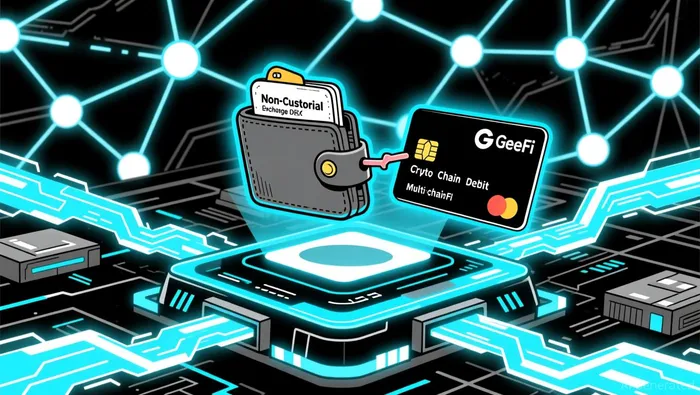
What sets GeeFi apart is its ecosystem design. Unlike speculative tokens, GEE is embedded in a utility-driven platform featuring a non-custodial wallet, decentralized exchange (DEX), and a crypto-linked debit card. These tools address pain points for both retail and institutional investors, creating a flywheel effect where token demand is tied to real-world usage. As one analyst noted, "GeeFi isn't just a token-it's a full-stack solution for managing digital assets in a fragmented market."
XRP's Post-SEC Struggles: A Tale of Two ETFs
While Ripple's $125 million settlement with the SEC brought temporary relief, XRP's 2025 performance has been marred by volatility and delayed regulatory clarity. Despite the approval of 11 XRPXRP-- ETFs-including the ProShares Ultra XRP ETF-price swings have persisted. For instance, XRP dropped 1.6% in late November 2025, underperforming GeeFi's presale gains during the same period.
The root issue lies in lingering uncertainty. Although Ripple rebranded its Hidden Road division as Ripple Prime and secured a $40 billion valuation, the token's market cap of $135 billion remains vulnerable to supply shocks. A $690 million drop in Binance's XRP reserves in October 2025 highlighted this fragility, raising questions about liquidity and institutional confidence. Meanwhile, GeeFi's presale has attracted institutional interest without such volatility, suggesting a more stable foundation for 2026.
Investor Sentiment: From Speculation to Utility
The shift in investor sentiment is perhaps the most telling indicator of GeeFi's potential. In 2025, 55% of traditional hedge funds began allocating capital to crypto, but their focus has increasingly turned to utility-driven projects. GeeFi's referral program-offering a 5% token bonus for each referral-and its multi-chain compatibility (EVM, SolanaSOL--, and Cosmos) have made it a magnet for both retail and institutional capital.
In contrast, XRP's appeal remains tied to speculative ETF demand rather than intrinsic utility. While the ProShares Ultra XRP ETF has drawn inflows, its performance is still subject to regulatory headwinds. As one market commentator observed, "XRP's ETFs are a bridge to legitimacy, but they don't solve the underlying issue of token utility." GeeFi, by contrast, is building a self-sustaining ecosystem where token value is derived from active usage rather than speculative trading.
The 2026 Outlook: A Tipping Point for DeFi
Looking ahead, GeeFi's roadmap suggests a clear path to dominance. Analysts project a future valuation of $3 per GEE token, implying a 4,900% return for early investors. This optimism is grounded in the project's expanding wallet user base, institutional partnerships, and the impending launch of its DEX. Meanwhile, XRP's reliance on ETF-driven demand and its exposure to supply shocks make it a riskier bet in a market increasingly prioritizing utility.
For investors, the choice between GEE and XRP in 2026 will hinge on a simple question: Do you want to bet on regulatory tailwinds, or on a platform that's already building the future of DeFi? The data suggests the answer is clear.






Comentarios
Aún no hay comentarios