
GE Vernova's Wind Business: A Storm in a Teacup?
Generado por agente de IACyrus Cole
miércoles, 22 de enero de 2025, 12:47 pm ET1 min de lectura
ELPC--
GE Vernova, the newly spun-off energy company, has faced headwinds in its wind business, with CEO Scott Strazik admitting that the economics of the industry don't make sense. However, investors shouldn't panic, as the challenges are surmountable, and the long-term prospects remain promising.
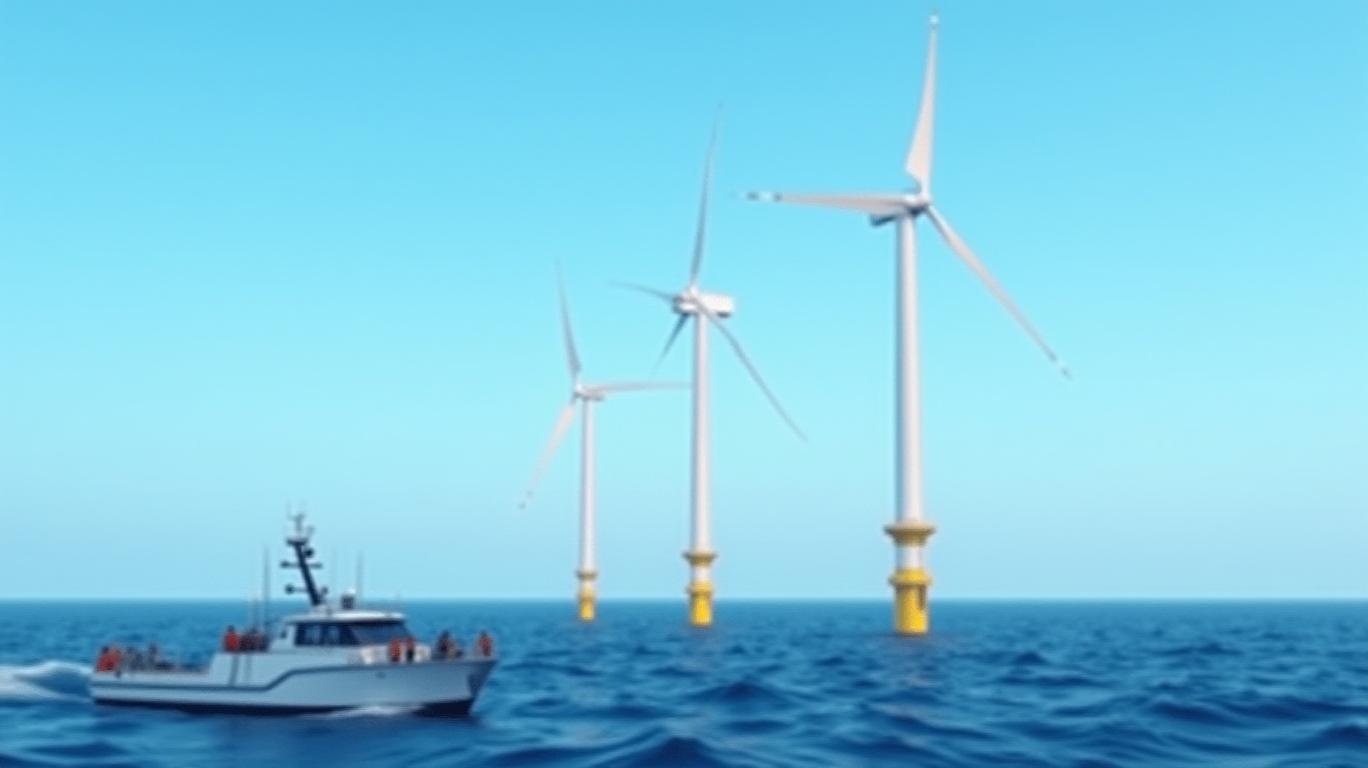
The offshore wind industry has been grappling with several issues, including manufacturing and installation problems, higher interest rates, supply chain bottlenecks, slowing demand, and weak pricing. GE Vernova's offshore wind division has not booked a new sale for its massive turbines in roughly three years and is no longer pursuing new sales in this segment. The company is taking a $700 million charge after clients canceled contracts and plans to trim its offshore business, with about 900 jobs in the crosshairs.
Despite these challenges, GE Vernova is not giving up on its wind business. The company is taking steps to address these issues, such as investing in quality control and manufacturing improvements, diversifying its product offerings, negotiating favorable contracts, lobbying for favorable policies, and improving operational efficiency. These strategies aim to enhance profitability and better navigate the challenges facing the offshore wind industry.
Moreover, the broader energy transition trends align with GE Vernova's wind business strategy. The company's investment in offshore wind, focus on large-scale wind energy systems, emphasis on innovation and R&D, and expansion into new markets position it well to capitalize on the growing demand for clean energy. The global offshore wind sector is projected to grow from 17 to 90 GW in the next decade, accounting for 15% of the global wind industry going forward.
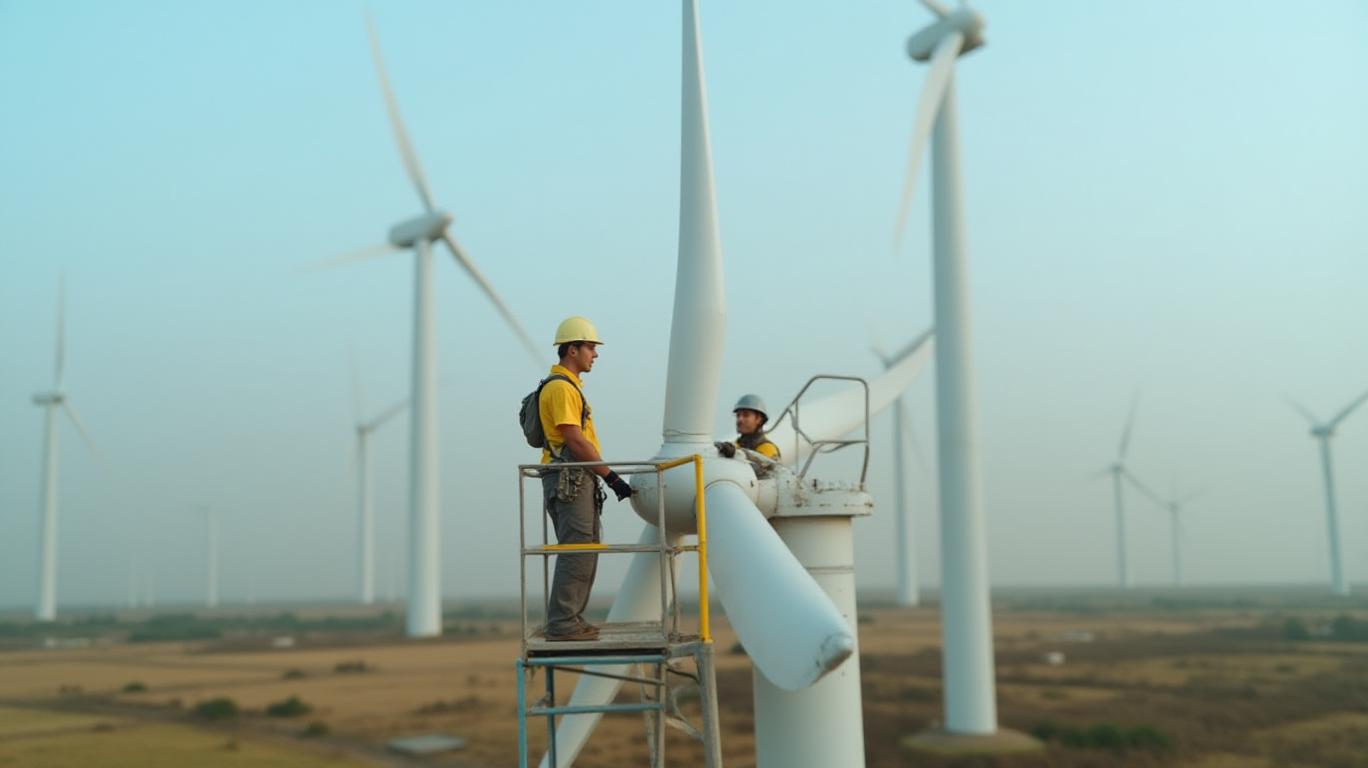
Technological advancements, such as AI and machine learning, also play a significant role in enhancing the efficiency and competitiveness of GE Vernova's wind turbines. The company's AI/ML tool can accurately predict and streamline logistics costs, potentially reducing them by up to 10%. Additionally, GE Vernova's collaboration with the National Renewable Energy Laboratory (NREL) to provide a 3.4MW-140m wind turbine for research and experimentation underscores the potential for government and private sector cooperation to drive innovation in critical energy research.
In conclusion, while GE Vernova's wind business faces significant challenges, investors should not be overly concerned. The company is taking proactive steps to address these issues and remains well-positioned to capitalize on the long-term growth prospects of the offshore wind industry. The broader energy transition trends and technological advancements further support the company's strategy and provide opportunities for growth in the wind sector. As GE Vernova works to improve the profitability of its wind business, investors can remain optimistic about the company's future prospects.
GEV--
GE Vernova, the newly spun-off energy company, has faced headwinds in its wind business, with CEO Scott Strazik admitting that the economics of the industry don't make sense. However, investors shouldn't panic, as the challenges are surmountable, and the long-term prospects remain promising.
The offshore wind industry has been grappling with several issues, including manufacturing and installation problems, higher interest rates, supply chain bottlenecks, slowing demand, and weak pricing. GE Vernova's offshore wind division has not booked a new sale for its massive turbines in roughly three years and is no longer pursuing new sales in this segment. The company is taking a $700 million charge after clients canceled contracts and plans to trim its offshore business, with about 900 jobs in the crosshairs.
Despite these challenges, GE Vernova is not giving up on its wind business. The company is taking steps to address these issues, such as investing in quality control and manufacturing improvements, diversifying its product offerings, negotiating favorable contracts, lobbying for favorable policies, and improving operational efficiency. These strategies aim to enhance profitability and better navigate the challenges facing the offshore wind industry.
Moreover, the broader energy transition trends align with GE Vernova's wind business strategy. The company's investment in offshore wind, focus on large-scale wind energy systems, emphasis on innovation and R&D, and expansion into new markets position it well to capitalize on the growing demand for clean energy. The global offshore wind sector is projected to grow from 17 to 90 GW in the next decade, accounting for 15% of the global wind industry going forward.
Technological advancements, such as AI and machine learning, also play a significant role in enhancing the efficiency and competitiveness of GE Vernova's wind turbines. The company's AI/ML tool can accurately predict and streamline logistics costs, potentially reducing them by up to 10%. Additionally, GE Vernova's collaboration with the National Renewable Energy Laboratory (NREL) to provide a 3.4MW-140m wind turbine for research and experimentation underscores the potential for government and private sector cooperation to drive innovation in critical energy research.
In conclusion, while GE Vernova's wind business faces significant challenges, investors should not be overly concerned. The company is taking proactive steps to address these issues and remains well-positioned to capitalize on the long-term growth prospects of the offshore wind industry. The broader energy transition trends and technological advancements further support the company's strategy and provide opportunities for growth in the wind sector. As GE Vernova works to improve the profitability of its wind business, investors can remain optimistic about the company's future prospects.

Divulgación editorial y transparencia de la IA: Ainvest News utiliza tecnología avanzada de Modelos de Lenguaje Largo (LLM) para sintetizar y analizar datos de mercado en tiempo real. Para garantizar los más altos estándares de integridad, cada artículo se somete a un riguroso proceso de verificación con participación humana.
Mientras la IA asiste en el procesamiento de datos y la redacción inicial, un miembro editorial profesional de Ainvest revisa, verifica y aprueba de forma independiente todo el contenido para garantizar su precisión y cumplimiento con los estándares editoriales de Ainvest Fintech Inc. Esta supervisión humana está diseñada para mitigar las alucinaciones de la IA y garantizar el contexto financiero.
Advertencia sobre inversiones: Este contenido se proporciona únicamente con fines informativos y no constituye asesoramiento profesional de inversión, legal o financiero. Los mercados conllevan riesgos inherentes. Se recomienda a los usuarios que realicen una investigación independiente o consulten a un asesor financiero certificado antes de tomar cualquier decisión. Ainvest Fintech Inc. se exime de toda responsabilidad por las acciones tomadas con base en esta información. ¿Encontró un error? Reportar un problema




Comentarios
Aún no hay comentarios