
GE Aerospace Executive on Aviation Industry Supply Chain Challenges: FLIGHT DECK Model Helps Solve Issues
PorAinvest
martes, 14 de octubre de 2025, 7:01 am ET1 min de lectura
GE--
The FLIGHT DECK model has already yielded notable improvements. It has reduced LEAP engine test cycle times by 50% and increased supplier material input by 26% [1]. This initiative is a testament to GE Aerospace's commitment to solving supply chain challenges by working closely with its supplier partners.
The global aviation industry is estimated to face supply chain issues that could cost more than USD 11 billion for the airline industry in 2025, according to a study by the International Air Transport Association (IATA) in collaboration with Oliver Wyman [1]. The study highlights that these challenges are delaying the production of new aircraft and parts, resulting in a backlog of over 17,000 commercial aircraft worldwide.
GE Aerospace's FLIGHT DECK model is not just about immediate gains but also about sustainable performance and measurable results. It integrates lean principles and tools to ensure continuous improvement in the supply chain. The company is actively collaborating with Indian manufacturers and suppliers to mitigate these industry-wide challenges.
In addition to FLIGHT DECK, GE Aerospace is also leveraging digital technologies to enhance supply chain security. For instance, Boeing and Aeroxchange have introduced a secure digital parts authentication system, which uses blockchain-ready technology and public/private key encryption to track the lifecycle of aerospace parts [2]. This initiative, which includes Southwest Airlines, aims to reduce the risk of introducing counterfeit or unapproved parts into the aviation ecosystem.
The aviation industry is at a critical juncture, and initiatives like FLIGHT DECK and secure digital parts authentication are paving the way for a more reliable and transparent supply chain. As the industry continues to innovate, these solutions will play a pivotal role in ensuring safety, efficiency, and cost-effectiveness.
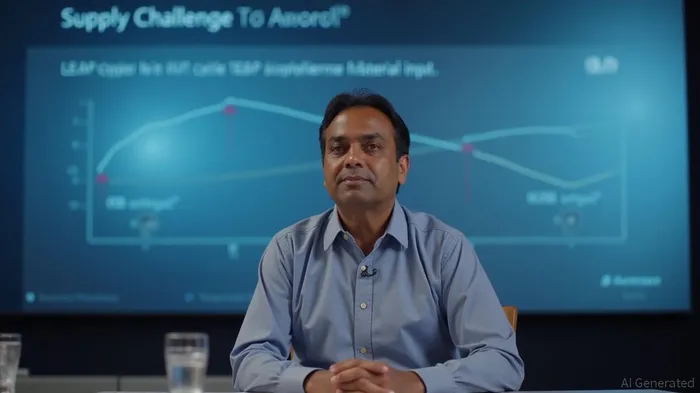
GE Aerospace's Executive Director, Amol Nagar, stated that the aviation industry's supply chain is constrained, with more demand than supply available. The company is addressing these challenges using its proprietary lean operating model, FLIGHT DECK, which has helped reduce LEAP engine test cycle times by 50% and increase supplier material input by 26%. The global aviation industry is facing supply chain issues, especially after the pandemic, resulting in delayed aircraft deliveries and estimated costs of over $11 billion for the airline industry in 2025.
The aviation industry is grappling with significant supply chain challenges, exacerbated by the COVID-19 pandemic. GE Aerospace, a leading player in the aerospace sector, is addressing these constraints through its proprietary FLIGHT DECK lean operating model. According to Amol Nagar, Executive Director - Global Manufacturing Operations & Supply Chain at GE Aerospace, the aviation industry's supply chain is indeed constrained, with more demand than supply available [1].The FLIGHT DECK model has already yielded notable improvements. It has reduced LEAP engine test cycle times by 50% and increased supplier material input by 26% [1]. This initiative is a testament to GE Aerospace's commitment to solving supply chain challenges by working closely with its supplier partners.
The global aviation industry is estimated to face supply chain issues that could cost more than USD 11 billion for the airline industry in 2025, according to a study by the International Air Transport Association (IATA) in collaboration with Oliver Wyman [1]. The study highlights that these challenges are delaying the production of new aircraft and parts, resulting in a backlog of over 17,000 commercial aircraft worldwide.
GE Aerospace's FLIGHT DECK model is not just about immediate gains but also about sustainable performance and measurable results. It integrates lean principles and tools to ensure continuous improvement in the supply chain. The company is actively collaborating with Indian manufacturers and suppliers to mitigate these industry-wide challenges.
In addition to FLIGHT DECK, GE Aerospace is also leveraging digital technologies to enhance supply chain security. For instance, Boeing and Aeroxchange have introduced a secure digital parts authentication system, which uses blockchain-ready technology and public/private key encryption to track the lifecycle of aerospace parts [2]. This initiative, which includes Southwest Airlines, aims to reduce the risk of introducing counterfeit or unapproved parts into the aviation ecosystem.
The aviation industry is at a critical juncture, and initiatives like FLIGHT DECK and secure digital parts authentication are paving the way for a more reliable and transparent supply chain. As the industry continues to innovate, these solutions will play a pivotal role in ensuring safety, efficiency, and cost-effectiveness.
Divulgación editorial y transparencia de la IA: Ainvest News utiliza tecnología avanzada de Modelos de Lenguaje Largo (LLM) para sintetizar y analizar datos de mercado en tiempo real. Para garantizar los más altos estándares de integridad, cada artículo se somete a un riguroso proceso de verificación con participación humana.
Mientras la IA asiste en el procesamiento de datos y la redacción inicial, un miembro editorial profesional de Ainvest revisa, verifica y aprueba de forma independiente todo el contenido para garantizar su precisión y cumplimiento con los estándares editoriales de Ainvest Fintech Inc. Esta supervisión humana está diseñada para mitigar las alucinaciones de la IA y garantizar el contexto financiero.
Advertencia sobre inversiones: Este contenido se proporciona únicamente con fines informativos y no constituye asesoramiento profesional de inversión, legal o financiero. Los mercados conllevan riesgos inherentes. Se recomienda a los usuarios que realicen una investigación independiente o consulten a un asesor financiero certificado antes de tomar cualquier decisión. Ainvest Fintech Inc. se exime de toda responsabilidad por las acciones tomadas con base en esta información. ¿Encontró un error? Reportar un problema




Comentarios
Aún no hay comentarios