
GDPR's Impact on News and Media Websites: A Longitudinal Study
PorAinvest
lunes, 29 de septiembre de 2025, 11:42 am ET1 min de lectura
META--
The subscription model responds to the ICO's guidance, which emphasizes four critical factors for consent or pay models: power imbalance, appropriate fee levels, service equivalence, and privacy by design principles. Meta has stated that the subscription pricing in the UK is a fraction of what is charged in other European markets, where rates range from €9.99 to €12.99 monthly. This discrepancy highlights the varying regulatory environments across Europe, with the UK offering clearer user choice and enabling personalized advertising tools to function as engines of growth and productivity.
The ICO's guidance also differentiates between core service access fees and data protection opt-out charges, recommending that fees should not be "unreasonably high" to avoid coercing users into consenting to data collection. Meta's announcement highlights the differences between UK and EU regulatory environments, stating that EU regulators continue to require less personalized advertising experiences beyond legal requirements, potentially creating worse outcomes for users and businesses.
The impact of the GDPR on the digital economy has been a subject of debate. A longitudinal study found that EU websites adapted to the GDPR by reducing tracking, but continued to produce quality content and engage audiences at levels comparable to their US counterparts. The study suggests that the GDPR has not harmed the ability of publishers and content creators to generate revenue and maintain free, high-quality content for users.
Meta's subscription model in the UK represents a strategic response to regulatory pressures, aiming to balance user choice, data privacy, and business sustainability. The company has maintained that personalized advertisements help users discover relevant products and services while allowing businesses to reach interested customers. The subscription model offers an alternative to consent-based advertising, providing users with a choice while ensuring compliance with data protection laws.
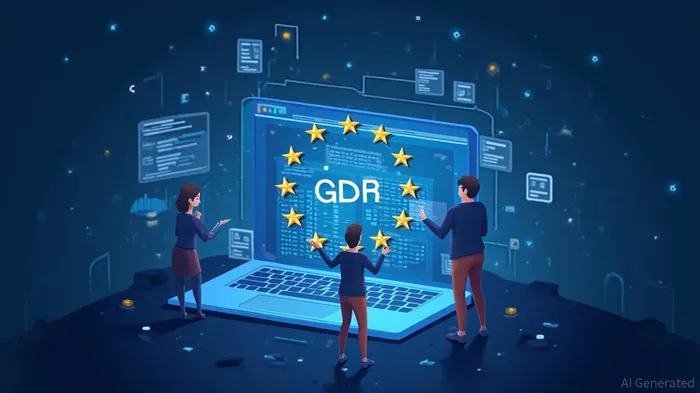
The European Union's General Data Protection Regulation (GDPR) has affected news and media websites in the EU by reducing online tracking and disrupting targeted advertising, which has raised concerns about the regulation's impact on the digital economy. A longitudinal study found that EU websites adapted to the GDPR by reducing tracking, but continued to produce quality content and engage audiences at levels comparable to their US counterparts. The study suggests that the GDPR has not harmed the ability of publishers and content creators to generate revenue and maintain free, high-quality content for users.
Meta, the parent company of Facebook and Instagram, has announced a new subscription model for UK users, aiming to comply with recent regulatory guidance from the Information Commissioner's Office (ICO). The new subscription will cost £2.99 per month on web browsers and £3.99 on iOS and Android devices, allowing users to access the platforms without personalized advertising.The subscription model responds to the ICO's guidance, which emphasizes four critical factors for consent or pay models: power imbalance, appropriate fee levels, service equivalence, and privacy by design principles. Meta has stated that the subscription pricing in the UK is a fraction of what is charged in other European markets, where rates range from €9.99 to €12.99 monthly. This discrepancy highlights the varying regulatory environments across Europe, with the UK offering clearer user choice and enabling personalized advertising tools to function as engines of growth and productivity.
The ICO's guidance also differentiates between core service access fees and data protection opt-out charges, recommending that fees should not be "unreasonably high" to avoid coercing users into consenting to data collection. Meta's announcement highlights the differences between UK and EU regulatory environments, stating that EU regulators continue to require less personalized advertising experiences beyond legal requirements, potentially creating worse outcomes for users and businesses.
The impact of the GDPR on the digital economy has been a subject of debate. A longitudinal study found that EU websites adapted to the GDPR by reducing tracking, but continued to produce quality content and engage audiences at levels comparable to their US counterparts. The study suggests that the GDPR has not harmed the ability of publishers and content creators to generate revenue and maintain free, high-quality content for users.
Meta's subscription model in the UK represents a strategic response to regulatory pressures, aiming to balance user choice, data privacy, and business sustainability. The company has maintained that personalized advertisements help users discover relevant products and services while allowing businesses to reach interested customers. The subscription model offers an alternative to consent-based advertising, providing users with a choice while ensuring compliance with data protection laws.
Divulgación editorial y transparencia de la IA: Ainvest News utiliza tecnología avanzada de Modelos de Lenguaje Largo (LLM) para sintetizar y analizar datos de mercado en tiempo real. Para garantizar los más altos estándares de integridad, cada artículo se somete a un riguroso proceso de verificación con participación humana.
Mientras la IA asiste en el procesamiento de datos y la redacción inicial, un miembro editorial profesional de Ainvest revisa, verifica y aprueba de forma independiente todo el contenido para garantizar su precisión y cumplimiento con los estándares editoriales de Ainvest Fintech Inc. Esta supervisión humana está diseñada para mitigar las alucinaciones de la IA y garantizar el contexto financiero.
Advertencia sobre inversiones: Este contenido se proporciona únicamente con fines informativos y no constituye asesoramiento profesional de inversión, legal o financiero. Los mercados conllevan riesgos inherentes. Se recomienda a los usuarios que realicen una investigación independiente o consulten a un asesor financiero certificado antes de tomar cualquier decisión. Ainvest Fintech Inc. se exime de toda responsabilidad por las acciones tomadas con base en esta información. ¿Encontró un error? Reportar un problema




Comentarios
Aún no hay comentarios