
Gaza's Geopolitical Crossroads: Navigating Risks and Profiting from Humanitarian Logistics and Defense Opportunities
The humanitarian crisis in Gaza is not merely a tragedy—it is a catalyst for seismic shifts in global defense and logistics sectors. As geopolitical tensions escalate, the region has become a crucible for testing the resilience of supply chains, security infrastructure, and emergency response systems. For investors, this volatile landscape presents a rare opportunity to capitalize on strategic gaps in humanitarian logistics and defensive technologies while addressing one of the most pressing humanitarian emergencies of our time.
The Geopolitical Reality: A Perfect Storm of Chaos
The situation in Gaza since March 2025 has reached a breaking point. A full Israeli blockade has halted 95% of commercial and humanitarian supplies, pushing 2.1 million civilians to “famine” levels (IPC Phase 5). Over 436,000 people are displaced, with 71% of Gaza now within militarized zones or under evacuation orders. Infrastructure—hospitals, schools, water systems—is in ruins, while attacks on aid convoys and NGOs continue.
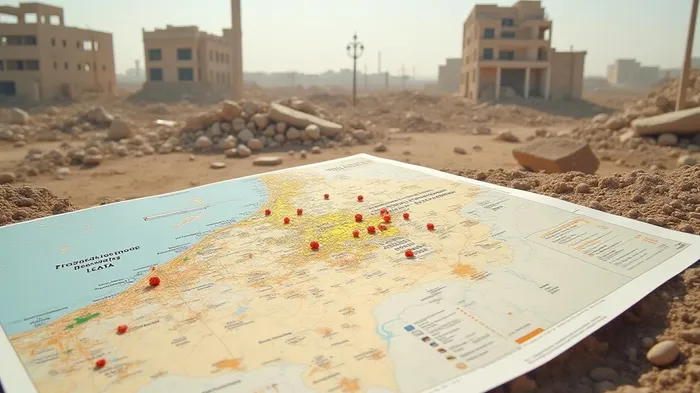
The humanitarian access crisis is systemic. Israel’s proposed aid distribution system, funneling supplies through militarized hubs, has been rejected by 200+ NGOs for its inability to reach vulnerable populations. Meanwhile, food insecurity has surged to 100% (IPC Phase 3+), with 54% of children facing acute malnutrition. These conditions are not temporary—they are the new normal, demanding long-term solutions.
Risks: Navigating the Minefield
Investing in Gaza-linked ventures is not without peril. Companies face:
1. Operational hurdles: Bureaucratic delays, restricted access zones, and the risk of attacks on supply lines.
2. Legal liabilities: Engaging in regions with war crimes allegations could expose firms to lawsuits or sanctions.
3. Market volatility: Geopolitical shifts (e.g., ceasefires, diplomatic breakthroughs) could abruptly alter demand for certain services.
Yet these risks are counterbalanced by asymmetric opportunities for firms agile enough to adapt.
The Opportunities: Where Profit Meets Purpose
1. Defense and Security Infrastructure
The Gaza crisis has exposed vulnerabilities in urban warfare logistics and border security systems. Demand is soaring for:
- Durable, portable medical facilities (e.g., mobile hospitals resistant to airstrikes).
- Smart surveillance tech to monitor militarized zones and prevent smuggling.
- Cybersecurity solutions to protect aid supply chains from hacking or sabotage.
Firms like Raytheon and L3Harris are already positioning themselves to deliver drone-based reconnaissance and fortified infrastructure, but smaller innovators could carve niches in niche markets.
2. Humanitarian Logistics
The blockade has created a $4 billion+ gap in Gaza’s humanitarian funding (per the UN Flash Appeal). This is a call to arms for logistics giants:
- Rebuilding supply chains: Firms like DHL and Maersk could dominate by securing exclusive contracts to deliver food, medicine, and reconstruction materials.
- Last-mile distribution: Drones or autonomous vehicles might bypass ground risks, a sector ripe for innovation.
3. Healthcare and Sanitation Tech
With 686 health attacks documented since 2023 and sewage systems collapsing, there is a critical need for:
- Portable desalination units (to address Gaza’s 75% water access decline).
- Telemedicine platforms to treat displaced populations without physical facilities.
- Rapid diagnostic tools to combat disease outbreaks in overcrowded shelters.
Firms like GE Healthcare and startups in water purification tech stand to gain market share here.
The Investment Playbook: Act Now Before the Window Closes
The Gaza crisis is a zero-sum game for global investors—those who act swiftly will dominate. Here’s how to seize the moment:
1. Target defensive tech stocks: Look for companies with exposure to border security, drone tech, or cyberdefense.
2. Shortlisted logistics firms: Prioritize companies with crisis management expertise, as they can pivot quickly to meet Gaza’s needs.
3. Diversify into reconstruction bonds: Consider sovereign debt or infrastructure funds tied to post-crisis rebuilding (once a ceasefire is secured).
The stakes could not be higher. Gaza’s population is on the brink of famine, and its infrastructure is shattered. For investors, this is not just a humanitarian call—it is a once-in-a-generation chance to profit from solving one of the 21st century’s most complex logistical puzzles.
The time to act is now. The world is watching, and the markets are waiting.
Final Note: Monitor developments closely. A ceasefire or sudden diplomatic shift could reshape demand overnight. Stay agile, and invest where risk meets reward.







Comentarios
Aún no hay comentarios