
Gaza Ceasefire Negotiations: A Crossroads for Middle Eastern Infrastructure Investment
The Gaza ceasefire negotiations, now entering a critical phase, have narrowed gaps between Israel and Hamas, raising hopes for a 60-day truce that could unlock billions in reconstruction funds. For investors, this development presents a rare opportunity to capitalize on post-conflict rebuilding across Israel, Egypt, and Jordan. While geopolitical risks remain high, the potential scale of infrastructure projects—from rebuilding homes to revamping energy grids—suggests a compelling entry point for strategic allocations.
The Current State of Talks: Progress Amid Tension
As of July 2025, U.S. envoy Steve Witkoff reported that the number of unresolved issues between Israel and Hamas has dropped from four to one, focusing on Hamas's demand for a permanent ceasefire and Israeli troop withdrawal. While Prime Minister Netanyahu insists on maintaining military pressure until Hamas is neutralized, Qatar and Egypt continue mediating. A proposed deal includes the release of 10 living hostages and 18 bodies, alongside a temporary truce.
However, skepticism lingers. Past agreements collapsed due to violations, with Israel resuming hostilities in March 2025 after accusing Hamas of delaying hostage transfers. The current talks face similar hurdles, including disputes over Gaza's Philadelphi Corridor and Hamas's governance role. Success hinges on whether both sides can compromise without abandoning core objectives—a fragile balance.
Reconstruction Funds: A Multi-Billion Opportunity
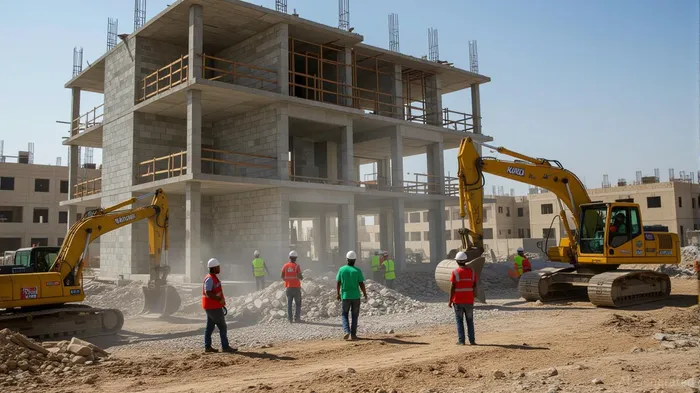
A successful ceasefire would trigger a 3–5-year reconstruction process, initially focusing on humanitarian aid (e.g., rubble removal, power restoration) and later expanding to infrastructure upgrades. Historical precedents suggest this could unlock over $50 billion in regional spending, benefiting construction, logistics, and energy sectors.
- Construction Firms: Companies specializing in rebuilding homes, hospitals, and schools will see surged demand.
- Logistics & Ports: Freight and port operators will manage aid distribution and material imports.
- Energy & Utilities: Firms repairing power grids and water systems will be critical.
Key Sectors and Companies to Watch
- Construction:
- Egypt's Orascom Construction (OCI): A regional leader in infrastructure projects, poised to benefit from cross-border rebuilding.
- Jordan's Arab Contracting & Trading Co. (ACTC): Positioned to rebuild Gaza's infrastructure, given its proximity and existing regional ties.
Israel's Shikun & Binui: Specializes in public projects, including housing, which will be in high demand.
Logistics & Ports:
- ZIM Integrated Shipping (ZIM): An Israeli shipping firm that could handle material transport to Gaza and regional ports.
Egypt's Port Said Development & Production Co.: Key to managing aid flows through the Suez Canal and northern Gaza.
Energy & Utilities:
- Jordan's Arab Potash (APC): Supplies materials for rebuilding water treatment plants.
- Egypt's Orascom Energy: Capable of restoring Gaza's energy infrastructure, including solar and grid projects.
Risks and Considerations
Investors must balance optimism with caution:
- Ceasefire Collapse: Renewed hostilities would erase reconstruction hopes, harming equities.
- Funding Delays: International donors may withhold funds until governance terms are finalized, prolonging uncertainty.
- Geopolitical Volatility: Regional instability (e.g., spillover conflicts, internal Israeli politics) could disrupt projects.
Investment Strategy: Prudent Allocation
- Focus on Diversification: Allocate to ETFs like EIS or EGPT (Egyptian equities) to spread risk across sectors.
- Quality Over Speculation: Prioritize firms with strong balance sheets and existing regional contracts, such as OCI or ACTC.
- Hedging: Use inverse ETFs or options to offset downside risks if ceasefire talks sour.
Conclusion
The Gaza ceasefire negotiations are a pivotal moment for Middle Eastern markets. While geopolitical risks remain elevated, the potential scale of reconstruction spending makes infrastructure and logistics stocks compelling buys for long-term investors. Monitor developments closely: a breakthrough could spark a regional economic rebound, while failure would reignite volatility. Positioning now—while balancing risk—could yield outsized rewards if peace takes hold.
The path forward is fraught with uncertainty, but for those willing to navigate the risks, Gaza's reconstruction could be the catalyst for a multi-year investment cycle in the region's battered markets.







Comentarios
Aún no hay comentarios