
GARP: A Superior Long-Term Play Over SPGP Despite Higher Costs
Risk-Adjusted Returns: A Mixed Picture
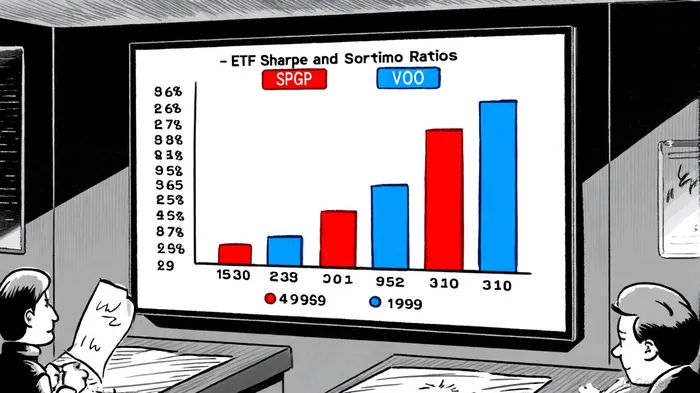
VOO has historically outperformed SPGPSPGP-- in risk-adjusted metrics. As of September 2025, , according to VOO metrics, highlight its efficiency in generating returns relative to volatility, , per SPGP metrics. These metrics penalize SPGP for its lower returns per unit of risk, especially in downside volatility. However, such metrics often prioritize short-term performance, which may not align with long-term sustainability goals.
Sustainable Growth: Diversification vs. Concentration
VOO's strength lies in its low-cost structure and broad exposure to the S&P 500. Yet, , according to a . This concentration exposes VOO to sector-specific risks, including regulatory scrutiny, valuation bubbles, and technological obsolescence. For instance, , per SPGP data, , signaling potential overvaluation.
In contrast, SPGP's emphasizes stocks with consistent earnings growth and reasonable valuations, spreading risk across sectors. By focusing on companies with strong fundamentals, SPGP avoids overreliance on any single industry. This approach mitigates the impact of sector-specific downturns, a critical advantage during market corrections. Historical data shows that during periods of tech sector underperformance, , SPGP's diversified holdings cushioned its losses compared to VOO, according to SPGP data.
Cost Considerations: Justifying the Premium
, per the SPGP expense ratio, , a disparity that could erode returns over time. However, the cost of VOO's simplicity comes with hidden risks. As noted by financial analysts, VOO's concentration in tech stocks has made it vulnerable to volatility, with its performance increasingly dependent on a narrow subset of the market, according to an analysis of VOO risks. SPGP's higher fees reflect its active screening process, which prioritizes sustainable growth over short-term gains.
Moreover, SPGP's semi-annual rebalancing ensures alignment with its GARP criteria, maintaining a disciplined approach to portfolio management, according to SPGP data. This structure reduces the likelihood of holding overvalued stocks, a common pitfall for passive strategies like VOO. While the expense ratio is a valid concern, the long-term benefits of reduced sector concentration and enhanced risk management may outweigh the cost premium.
Long-Term Projections: A Tale of Two Paths
Looking ahead, SPGP and VOO present divergent trajectories. , , according to SPGP data. VOO, , faces headwinds from its tech-heavy composition. , whereas SPGP's diversified approach may insulate it from such shocks, per SPGP data.
Conclusion
While VOO's low cost and market-tracking appeal are undeniable, its reliance on a narrow set of tech stocks introduces unsustainable risks. SPGP's GARP strategy, though more expensive, offers a balanced approach that prioritizes long-term resilience over short-term efficiency. For investors prioritizing sustainable growth and risk mitigation, the higher costs of SPGP are a justified trade-off for a more diversified, fundamentals-driven portfolio.





Comentarios
Aún no hay comentarios