
Garmin’s New Forerunner Smartwatches: A Growth Engine or Pricing Pitfall?
The GarminGRMN-- Forerunner 570 and 970 smartwatches are here, and they’re poised to redefine endurance sports tech—if Garmin can navigate the storm of rising tariffs. These devices combine cutting-edge features like titanium builds, ECG monitoring, and solar charging with a price tag that could alienate budget-conscious buyers. Let’s dissect whether this is a buy or a bust for investors.
The Premium Play: Why Garmin Could Dominate
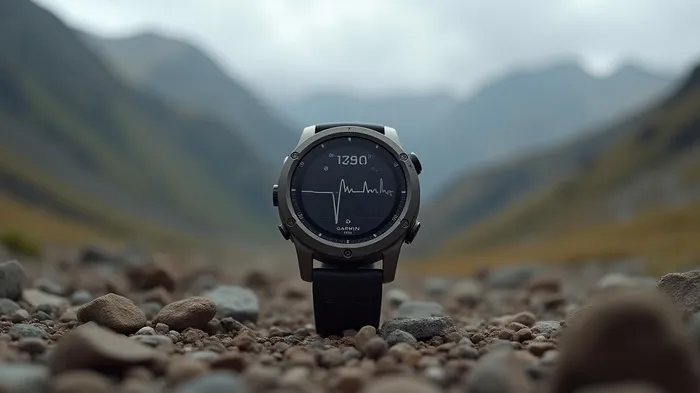
Garmin’s new Forerunner duo isn’t just another gadget—it’s a strategic masterstroke. The Forerunner 970 ($499.99) targets elite athletes with a solar-charging titanium build, topographic maps, and advanced health metrics like blood oxygen and ECG monitoring. Meanwhile, the Forerunner 570 ($349.99) offers a stripped-down yet robust package for casual runners, with 12-day battery life and GPS accuracy.
Why this works:
- Ecosystem Stickiness: Garmin’s software ecosystem—garmin connect™, training plans, and third-party app integrations—locks users into its platform. The 970’s live metrics display and smartphone connectivity further cement its lead over rivals like Suunto or Coros.
- Niche Dominance: Endurance athletes and multisport enthusiasts are willing to pay a premium for reliability. Garmin’s 30+ day battery life on the 970 (with solar) is unmatched, making it a must-have for ultramarathons or Ironman events.
- Health Tech Crossover: ECG and blood oxygen sensors aren’t just for pros—they’re now standard on Garmin’s premium models, appealing to health-conscious consumers.
The Tariff Trap: Risks to Watch
Here’s the catch: $100 million in tariff-related costs could derail this strategy. U.S. tariffs on Taiwanese-made goods (Garmin’s manufacturing hub) are a ticking time bomb:
- Tariff Volatility: Garmin assumes a 10% tariff rate in its 2025 projections, but if U.S. tariffs on Taiwan revert to 32%, costs could skyrocket. The Forerunner 970’s premium price might have to jump to $550+, pricing out casual buyers.
- Competitor Surge: Cheaper rivals like Xiaomi’s Amazfit ($100–$200) and Fitbit’s Versa 4 ($150) are gaining traction. Garmin’s 25% U.S. revenue dependency on tariff-hit imports leaves it exposed if price-sensitive buyers defect.
- Margin Pressure: Garmin’s Q1 2025 earnings showed 11% revenue growth, but tariffs forced a stock price drop of 10% post-report. Investors are already nervous about margins—if the 970’s gross profit dips below 40%, this could be a red flag.
The Bottom Line: Buy, But Keep an Eye on the Tariff Cloud
Recommendation: Buy Garmin, but with a caveat.
- Why Buy Now?
- The Forerunner 570/970 launches coincide with a wearables market rebound, projected to grow at 9% annually through 2027.
- Garmin’s Q1 2025 Fitness category revenue rose 12%, driven by smartwatch sales. The new models could supercharge that trend.
No direct competitors match Garmin’s endurance-specific features. Even Apple’s Watch lacks solar charging or titanium builds.
The Catch:
- Monitor Garmin’s Q2 2025 gross margins. If they dip below 45%, it signals tariff costs are eating into profits.
- Track U.S.-China tariff negotiations—a 90-day truce expires soon, and a tariff hike could force price cuts or margin sacrifices.
Final Verdict: Garmin’s Future is Bright, but Cloudy
The Forerunner 570/970 are winners in their niche, but Garmin’s fate hinges on tariff management. If it can keep prices steady while rivals falter, this stock could soar. But if tariffs force a price war, investors might need to bail. For now, buy, but stay glued to those margins.
Action Item: Buy GRMN now, but set a 20% trailing stop-loss if tariffs or margin warnings emerge. This is a high-reward, high-risk bet—perfect for growth investors with nerves of steel.







Comentarios
Aún no hay comentarios