
Garma 2025 Live: Indigenous Festival Marks 25 Years in Remote Australia
PorAinvest
jueves, 31 de julio de 2025, 7:23 pm ET2 min de lectura
FRO--
The report highlights that of the 19 targets set, four have worsened, including adult imprisonment, children in out-of-home care, suicide, and children developmentally on track. While there have been some successes, such as improvements in preschool enrolment, employment, and land and water rights, the progress is insufficient and inconsistent across states and territories [1].
The Garma festival has seen prominent figures like Pat Anderson and Megan Davis, drafters of the Uluru Statement and Voice to Parliament backers, express their discontent with government talking points. They emphasize that meaningful progress will only be achieved if governments involve Indigenous people in decision-making [2].
To address these issues, three potential solutions have been proposed:
1. A National Action Plan Driven by Human Rights: Australia lacks a comprehensive Indigenous rights framework. Adopting a rights-based approach to the Closing the Gap framework could provide a way forward. The United Nations Declaration on the Rights of Indigenous Peoples (UNDRIP) outlines minimum standards of human rights relating to Indigenous peoples. A national action plan to implement UNDRIP could empower Indigenous communities and drive community-led solutions [1].
2. An Independent Oversight Body: An independent representative body at the national level could provide strategic oversight and accountability for the implementation of the Closing the Gap policy. This body could also advocate for policies consistent with the National Agreement on Closing the Gap [1].
3. A Bigger Role for Local Government: Local governments, as frontline service providers, can engage with communities on a daily basis and implement policies that shape outcomes on the ground. Tamworth Aboriginal Community Controlled Organisations and Tamworth Regional Council have pioneered a local approach to Closing the Gap [1].
These solutions aim to address the systemic issues that hinder progress and ensure that Indigenous Australians are actively involved in decision-making processes. The Garma festival serves as a reminder that meaningful change requires sustained effort and genuine engagement with Indigenous communities.
References:
[1] The Conversation. (2023). Progress on closing the gap is stagnant or going backwards. Here are 3 things to help fix it. Retrieved from https://theconversation.com/progress-on-closing-the-gap-is-stagnant-or-going-backwards-here-are-3-things-to-help-fix-it-262042
[2] Garma Festival. (2025). Statement from Pat Anderson and Megan Davis. Retrieved from https://garmafestival.com/statements
GAP--
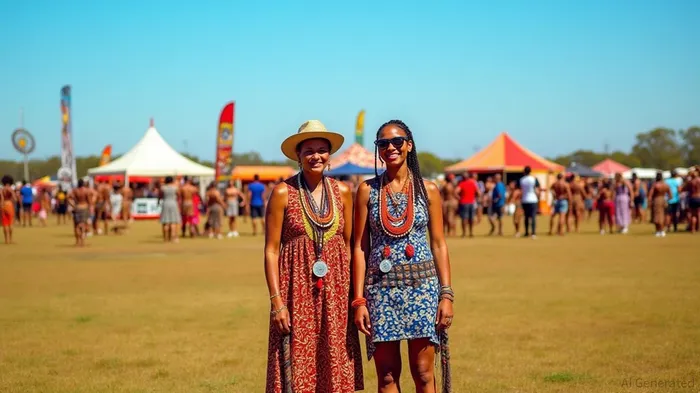
The Garma festival, Australia's largest Indigenous gathering, has begun its 25th year in the Northern Territory. The event features cultural displays, dance, and music, as well as discussions on the latest Closing the Gap report and poor outcomes for Indigenous Australians. Uluru statement drafters and Voice to parliament backers Pat Anderson and Megan Davis have declared that Indigenous Australians will not "lap up" government talking points, and that progress will only be made if governments involve Indigenous people in decision-making.
The 25th Garma festival, Australia's largest Indigenous gathering, has begun in the Northern Territory, with discussions centering around the latest Closing the Gap report and its disheartening findings. The Productivity Commission's data reveals that despite 17 years of the Closing the Gap policy, significant socioeconomic disadvantages persist among Aboriginal and Torres Strait Islander peoples [1].The report highlights that of the 19 targets set, four have worsened, including adult imprisonment, children in out-of-home care, suicide, and children developmentally on track. While there have been some successes, such as improvements in preschool enrolment, employment, and land and water rights, the progress is insufficient and inconsistent across states and territories [1].
The Garma festival has seen prominent figures like Pat Anderson and Megan Davis, drafters of the Uluru Statement and Voice to Parliament backers, express their discontent with government talking points. They emphasize that meaningful progress will only be achieved if governments involve Indigenous people in decision-making [2].
To address these issues, three potential solutions have been proposed:
1. A National Action Plan Driven by Human Rights: Australia lacks a comprehensive Indigenous rights framework. Adopting a rights-based approach to the Closing the Gap framework could provide a way forward. The United Nations Declaration on the Rights of Indigenous Peoples (UNDRIP) outlines minimum standards of human rights relating to Indigenous peoples. A national action plan to implement UNDRIP could empower Indigenous communities and drive community-led solutions [1].
2. An Independent Oversight Body: An independent representative body at the national level could provide strategic oversight and accountability for the implementation of the Closing the Gap policy. This body could also advocate for policies consistent with the National Agreement on Closing the Gap [1].
3. A Bigger Role for Local Government: Local governments, as frontline service providers, can engage with communities on a daily basis and implement policies that shape outcomes on the ground. Tamworth Aboriginal Community Controlled Organisations and Tamworth Regional Council have pioneered a local approach to Closing the Gap [1].
These solutions aim to address the systemic issues that hinder progress and ensure that Indigenous Australians are actively involved in decision-making processes. The Garma festival serves as a reminder that meaningful change requires sustained effort and genuine engagement with Indigenous communities.
References:
[1] The Conversation. (2023). Progress on closing the gap is stagnant or going backwards. Here are 3 things to help fix it. Retrieved from https://theconversation.com/progress-on-closing-the-gap-is-stagnant-or-going-backwards-here-are-3-things-to-help-fix-it-262042
[2] Garma Festival. (2025). Statement from Pat Anderson and Megan Davis. Retrieved from https://garmafestival.com/statements
Divulgación editorial y transparencia de la IA: Ainvest News utiliza tecnología avanzada de Modelos de Lenguaje Largo (LLM) para sintetizar y analizar datos de mercado en tiempo real. Para garantizar los más altos estándares de integridad, cada artículo se somete a un riguroso proceso de verificación con participación humana.
Mientras la IA asiste en el procesamiento de datos y la redacción inicial, un miembro editorial profesional de Ainvest revisa, verifica y aprueba de forma independiente todo el contenido para garantizar su precisión y cumplimiento con los estándares editoriales de Ainvest Fintech Inc. Esta supervisión humana está diseñada para mitigar las alucinaciones de la IA y garantizar el contexto financiero.
Advertencia sobre inversiones: Este contenido se proporciona únicamente con fines informativos y no constituye asesoramiento profesional de inversión, legal o financiero. Los mercados conllevan riesgos inherentes. Se recomienda a los usuarios que realicen una investigación independiente o consulten a un asesor financiero certificado antes de tomar cualquier decisión. Ainvest Fintech Inc. se exime de toda responsabilidad por las acciones tomadas con base en esta información. ¿Encontró un error? Reportar un problema


SOBRE NOSOTROS
Nuestra historiaAutores de noticiasBase de conocimientosPolítica de privacidadTérmino de usoDescargo de responsabilidad de corretaje de tercerosTérminos de uso de AIMEDivulgaciones de riesgos de AInvest AICarrerasCONTÁCTENOS
Email: support@ainvest.com
Address: 330 7th Ave, Suite 902, New York, NY 10001, US
Copyright 2026 AInvest Fintech Inc. All rights reserved.


Comentarios
Aún no hay comentarios