
Gap's Shrinking China Exposure: A Tariff Shield?
Generado por agente de IAWesley Park
miércoles, 22 de enero de 2025, 10:16 am ET2 min de lectura
GAP--
Gap Inc. has been strategically reducing its sourcing from China, aiming to diversify its supply chain and mitigate risks associated with geopolitical tensions and trade disputes. This shift has had several impacts on the company's overall supply chain resilience and cost structure.
Firstly, by reducing its reliance on China, Gap Inc. has been able to better navigate the trade war between the United States and China. In 2019, the company was able to avoid the brunt of the tariffs imposed on Chinese goods by shifting production to other countries, such as Vietnam and Bangladesh. This strategic move helped the company maintain its competitive pricing and avoid significant financial losses due to increased production costs.
Secondly, diversifying its supply chain has improved Gap Inc.'s resilience against disruptions. The COVID-19 pandemic, for instance, highlighted the risks associated with over-reliance on a single sourcing region. By having multiple production hubs, Gap Inc. was better equipped to adapt to the changing circumstances and maintain its operations. This diversification has also helped the company to better manage potential supply chain disruptions caused by natural disasters, political instability, or other unforeseen events.
Lastly, the shift in sourcing has had an impact on the company's cost structure. While moving production to other countries may initially increase labor costs, it can also lead to savings in other areas, such as transportation and logistics. For example, sourcing from countries closer to the final destination can reduce shipping times and costs, as seen in Gap Inc.'s co-location and proximate sourcing strategies. Additionally, fabric platforming and positioning can help the company optimize its inventory management and reduce waste, further contributing to cost savings.
In conclusion, Gap Inc.'s strategic reduction in China sourcing has improved the company's supply chain resilience by mitigating geopolitical risks and diversifying production hubs. This shift has also had an impact on the company's cost structure, with potential savings in transportation and logistics, as well as improved inventory management.
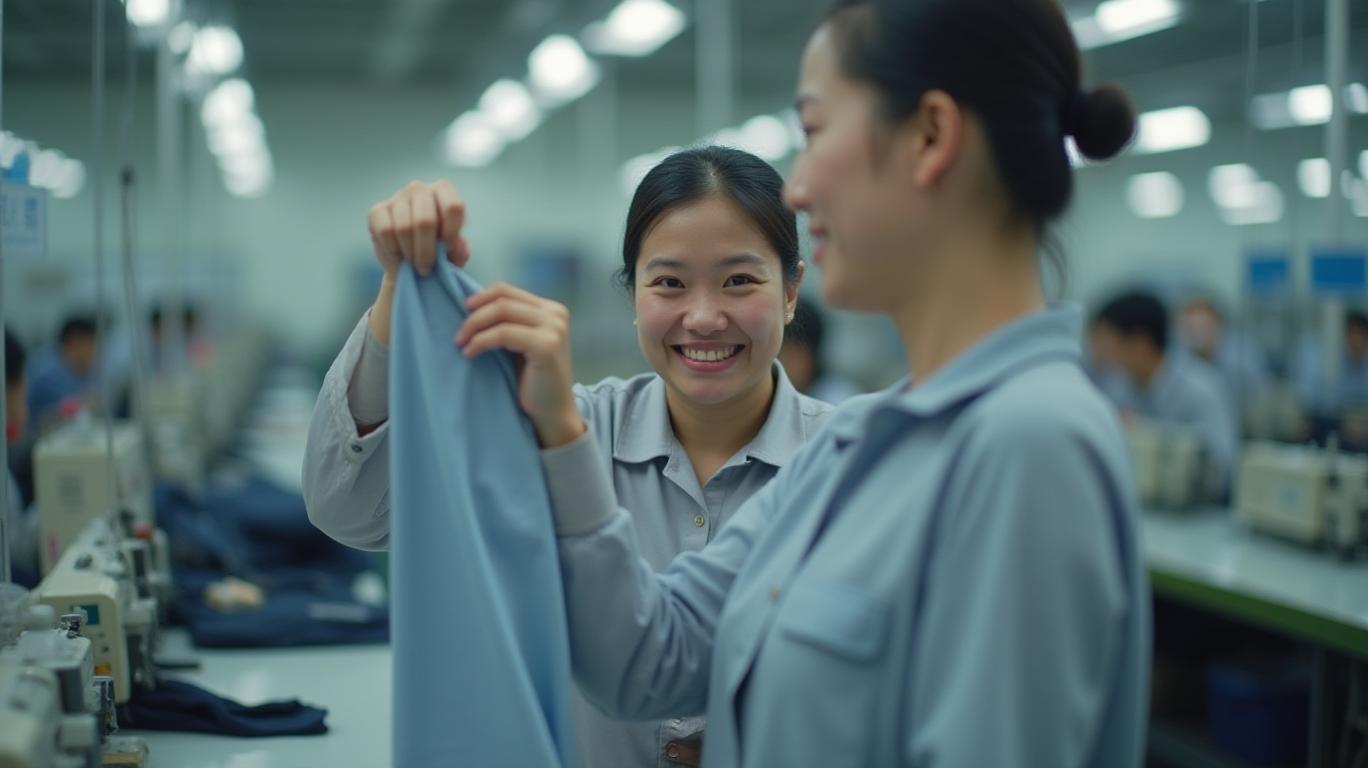
As the geopolitical landscape and trade agreements continue to evolve, Gap Inc.'s exposure to tariffs will depend on various factors. If the U.S. and China reach a trade agreement that reduces or eliminates tariffs, Gap Inc. may be able to reduce its costs and potentially lower prices for consumers. Additionally, if the U.S. enters into new trade agreements with other countries, such as the United States-Mexico-Canada Agreement (USMCA), Gap Inc. may be able to source more products from those countries and reduce its exposure to tariffs.
However, if the trade war escalates or new tariffs are imposed, Gap Inc. may face higher costs and potentially pass them on to consumers in the form of higher prices. By carefully monitoring the situation and adjusting its supply chain accordingly, Gap Inc. can minimize the impact of tariffs on its operations and pricing.
Gap Inc. has been strategically reducing its sourcing from China, aiming to diversify its supply chain and mitigate risks associated with geopolitical tensions and trade disputes. This shift has had several impacts on the company's overall supply chain resilience and cost structure.
Firstly, by reducing its reliance on China, Gap Inc. has been able to better navigate the trade war between the United States and China. In 2019, the company was able to avoid the brunt of the tariffs imposed on Chinese goods by shifting production to other countries, such as Vietnam and Bangladesh. This strategic move helped the company maintain its competitive pricing and avoid significant financial losses due to increased production costs.
Secondly, diversifying its supply chain has improved Gap Inc.'s resilience against disruptions. The COVID-19 pandemic, for instance, highlighted the risks associated with over-reliance on a single sourcing region. By having multiple production hubs, Gap Inc. was better equipped to adapt to the changing circumstances and maintain its operations. This diversification has also helped the company to better manage potential supply chain disruptions caused by natural disasters, political instability, or other unforeseen events.
Lastly, the shift in sourcing has had an impact on the company's cost structure. While moving production to other countries may initially increase labor costs, it can also lead to savings in other areas, such as transportation and logistics. For example, sourcing from countries closer to the final destination can reduce shipping times and costs, as seen in Gap Inc.'s co-location and proximate sourcing strategies. Additionally, fabric platforming and positioning can help the company optimize its inventory management and reduce waste, further contributing to cost savings.
In conclusion, Gap Inc.'s strategic reduction in China sourcing has improved the company's supply chain resilience by mitigating geopolitical risks and diversifying production hubs. This shift has also had an impact on the company's cost structure, with potential savings in transportation and logistics, as well as improved inventory management.
As the geopolitical landscape and trade agreements continue to evolve, Gap Inc.'s exposure to tariffs will depend on various factors. If the U.S. and China reach a trade agreement that reduces or eliminates tariffs, Gap Inc. may be able to reduce its costs and potentially lower prices for consumers. Additionally, if the U.S. enters into new trade agreements with other countries, such as the United States-Mexico-Canada Agreement (USMCA), Gap Inc. may be able to source more products from those countries and reduce its exposure to tariffs.
However, if the trade war escalates or new tariffs are imposed, Gap Inc. may face higher costs and potentially pass them on to consumers in the form of higher prices. By carefully monitoring the situation and adjusting its supply chain accordingly, Gap Inc. can minimize the impact of tariffs on its operations and pricing.

Divulgación editorial y transparencia de la IA: Ainvest News utiliza tecnología avanzada de Modelos de Lenguaje Largo (LLM) para sintetizar y analizar datos de mercado en tiempo real. Para garantizar los más altos estándares de integridad, cada artículo se somete a un riguroso proceso de verificación con participación humana.
Mientras la IA asiste en el procesamiento de datos y la redacción inicial, un miembro editorial profesional de Ainvest revisa, verifica y aprueba de forma independiente todo el contenido para garantizar su precisión y cumplimiento con los estándares editoriales de Ainvest Fintech Inc. Esta supervisión humana está diseñada para mitigar las alucinaciones de la IA y garantizar el contexto financiero.
Advertencia sobre inversiones: Este contenido se proporciona únicamente con fines informativos y no constituye asesoramiento profesional de inversión, legal o financiero. Los mercados conllevan riesgos inherentes. Se recomienda a los usuarios que realicen una investigación independiente o consulten a un asesor financiero certificado antes de tomar cualquier decisión. Ainvest Fintech Inc. se exime de toda responsabilidad por las acciones tomadas con base en esta información. ¿Encontró un error? Reportar un problema




Comentarios
Aún no hay comentarios