
The Gaming Industry's Double-Edged Sword: Decline and Resurgence in an Era of Uncertainty

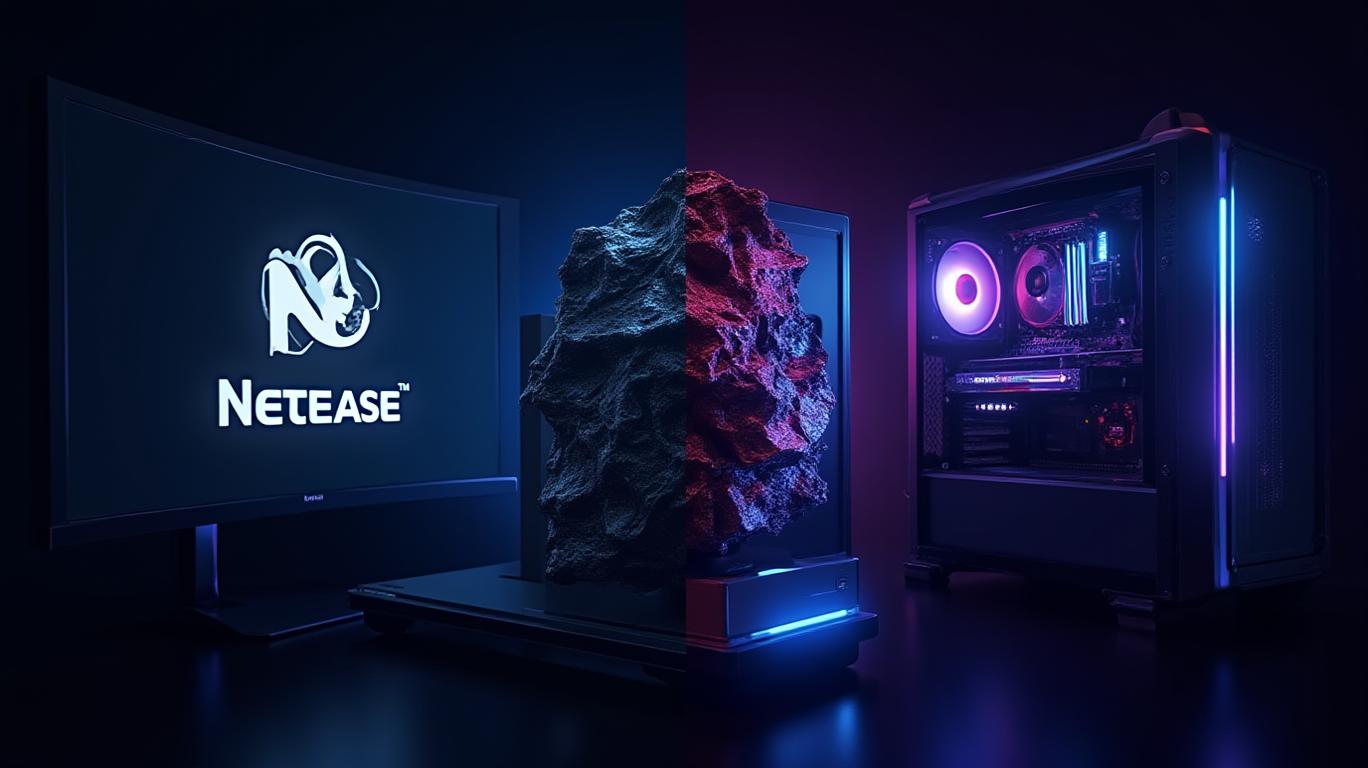
The gaming industry, long a symbol of innovation and growth, now faces a paradox. While Netease—the Chinese gaming giant—reported its first quarterly revenue decline in years, the PC gaming sector is surging ahead, defying expectations in a market plagued by regulatory hurdles, saturation, and shifting consumer preferences. This divergence raises critical questions for investors: Is the sector’s health uneven, or is it signaling a broader transformation? Let’s dissect the data and trends shaping this complex landscape.
Netease’s Struggles: A Microcosm of Industry Headwinds
Netease’s Q3 2023 results were a stark reminder of the challenges facing the gaming industry. Revenue dropped by 5% year-over-year to $2.4 billion, while net profit fell 12%, marking its weakest performance since 2020. The decline reflects broader pressures:
- Regulatory Scrutiny: China’s strict controls on game approvals and playtime limits for minors continue to stifle growth. shows a steady decline since mid-2022, mirroring investor anxiety over regulatory risks.
- Mobile Saturation: The once-booming mobile gaming segment is maturing. With giants like Tencent and NeteaseNTES-- dominating established titles, user acquisition costs are rising, and innovation is slowing.
- Global Headwinds: Currency fluctuations and economic uncertainty in key markets like Southeast Asia have dented international expansion plans.
Yet Netease’s struggles are not unique. Companies like Activision Blizzard and Take-Two Interactive have also faced valuation declines, with the latter’s stock down 30% YTD amid missed earnings.
PC Gaming’s Stealth Rally: A Bright Spot in the Shadows
While console and mobile markets stagnate, PC gaming is thriving. According to Steam’s Q3 reports, platform revenue hit $1.8 billion, up 14% year-over-year, with average concurrent users hitting a record 34 million. This growth is no fluke.
Key Drivers of PC Gaming’s Resurgence:
1. Hardware Innovation: NVIDIA’s (NVDA) RTX 40-series GPUs and AMD’s Ryzen processors have revitalized PC gaming. highlights a 22% jump in gaming GPU revenue, driven by demand for high-end systems.
2. Exclusive Titles: Titles like Cyberpunk 2077, Elden Ring, and Starfield are optimized for PC, offering superior graphics and customization.
3. Streaming and VR: Platforms like GeForce Now and Meta’s Quest 3 have expanded PC gaming’s reach, blending cloud gaming with immersive experiences.

Why PC Gaming Defies the Downturn
The PC segment’s resilience lies in its adaptability. Unlike consoles, PCs can be upgraded incrementally, making them cost-effective over time. Additionally, indie developers and platforms like Epic Games Store are democratizing access to high-quality games, fostering a vibrant ecosystem.
Investors should also note the metaverse’s influence. While still nascent, projects like Roblox and Decentraland are building PC-centric virtual economies, attracting both players and developers.
Investment Implications: Navigating the Divide
The industry’s bifurcation creates both risks and opportunities:
- Avoid Overexposure to Mobile/Console Heavyweights: Netease and Tencent’s reliance on mobile and China-centric markets makes them vulnerable to regulatory and saturation risks.
- Bet on PC Infrastructure: NVIDIA and AMD stand to benefit from GPU sales tied to gaming. shows it now accounts for 38% of the company’s top line—a record high.
- Target PC-Optimized Developers: Companies like CD Projekt Red and Bethesda (owned by Microsoft) are prioritizing PC exclusives, offering higher margins and loyal fan bases.
- Monitor Cloud Gaming: Microsoft’s Xbox Cloud Gaming and Google Stadia are reducing hardware barriers, potentially expanding PC gaming’s audience further.
Conclusion: The Gaming Landscape’s New Normal
The industry’s duality is clear: traditional giants face headwinds, while PC gaming thrives as a beacon of innovation and growth. Netease’s struggles underscore the perils of over-reliance on saturated markets and rigid regulatory environments. Meanwhile, the PC sector’s 14% revenue growth and hardware advancements signal a shift toward a more tech-driven, decentralized future.
Investors must focus on companies that align with this trajectory. NVIDIA’s stock, up 40% in 2023, and PC-focused developers like Unity (U) exemplify this trend. As the metaverse evolves and GPU tech advances, the divide between winners and losers will only widen. The gaming industry isn’t in decline—it’s evolving. Those who adapt will lead the next era of growth.





Comentarios
Aún no hay comentarios