
Gabon's Post-Coup Transition: Navigating Opportunities in Infrastructure and Natural Resources
Gabon's political landscape has undergone a seismic shift since the 2023 military coup that ended the Bongo dynasty's 55-year rule. The subsequent rise of General Brice Nguema as president via a controversial 2025 election has introduced both risks and potential rewards for investors. While the new regime faces significant economic and governance challenges, its focus on stabilizing the state and diversifying the economy could unlock opportunities in infrastructure and natural resources. This analysis evaluates the investment landscape, weighing political dynamics against economic fundamentals.
Political Stability: A Fragile Foundation
The April 2025 presidential election, which saw Nguema secure 94.9% of the vote, marked the formal end of military rule and the transition to civilian governance. Despite high voter turnout and a lack of immediate unrest, the process was marred by opposition fragmentation and constitutional changes that centralized power. Nguema's consolidation of the judiciary, elimination of the prime minister's role, and control over the electoral commission raise concerns about democratic backsliding.
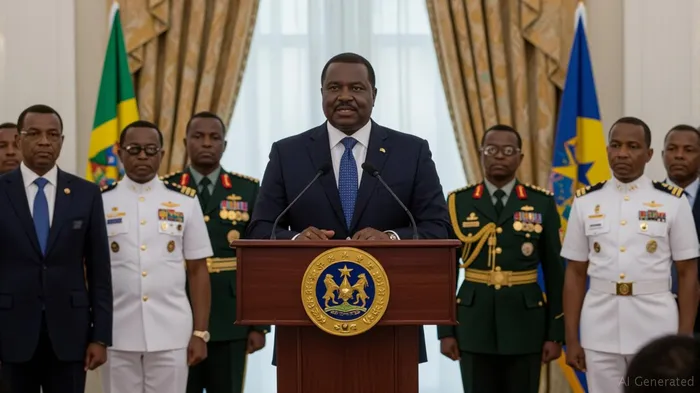
However, regional and international actors—including the African Union and the IMF—have cautiously endorsed the transition, signaling reduced geopolitical risk. The upcoming legislative elections in Q3 2025 will be a critical test of stability, as a fragmented opposition and Nguema's patronage networks may further entrench his authority.
Economic Outlook: Challenges and Structural Reforms
Gabon's economy remains heavily reliant on oil, which accounts for over 50% of government revenue. Declining oil prices and stagnant GDP growth (projected at 2.7% in 2025) have pushed public debt to 78.9% of GDP, exceeding CEMAC regional limits. The IMF has emphasized urgent fiscal consolidation, including energy subsidy reforms and improved governance in the mining sector.
The government's recent stake acquisitions in oil firms like Assala Energy suggest a shift toward state-controlled extractives, potentially creating opportunities for strategic partnerships. However, investors must weigh this against risks such as policy unpredictability and corruption.
Natural Resources: Oil, Mining, and Diversification
While oil dominates the economy, Gabon's untapped mineral wealth—including manganese, uranium, and gold—offers long-term potential. The new constitution's prohibition of dynastic power transfers and transparency initiatives (e.g., publishing mining contracts) could attract foreign mining firms.
Yet, the sector's growth hinges on resolving governance gaps. The IMF has flagged the need for clearer regulatory frameworks and reduced bureaucratic hurdles. Investors in mining should prioritize companies with local partnerships and experience in African frontier markets.
Infrastructure: A Priority for Growth
The IMF's reform agenda includes upgrading energy and transport infrastructure, critical for reducing bottlenecks and enabling economic diversification. Gabon's plans for renewable energy projects, port modernization, and road networks align with global ESG trends and could attract green infrastructure funds.
Foreign investors, particularly in public-private partnerships (PPPs), may find opportunities in sectors like solar energy or logistics. However, delays in legislative reforms and fiscal constraints could slow progress.
Key Risks to Monitor
1. Fiscal Austerity and Social Unrest: IMF-mandated spending cuts risk fueling discontent among Gabon's youth (36% unemployment).
2. Oil Dependency: A prolonged oil price slump could exacerbate fiscal deficits and debt distress.
3. Political Concentration: Nguema's constitutional changes may stifle political competition, increasing governance risks.
Investment Recommendations
- Natural Resources:
- Oil: Consider partnerships with state-backed firms (e.g., Assala Energy) for short-term gains, but prepare for volatility tied to oil prices.
- Mining: Target companies with robust environmental safeguards and local stakeholder engagement to mitigate governance risks.
- Infrastructure:
- Renewables: Invest in solar or hydropower projects via PPP models, aligning with Gabon's energy diversification goals.
Transport: Monitor port and road projects, but prioritize those with guaranteed government funding.
Caution: Avoid sectors requiring immediate fiscal stability (e.g., banking) until legislative reforms and IMF programs gain traction.
Conclusion
Gabon's post-coup transition presents a nuanced investment landscape. While political risks and economic fragility remain, the government's focus on infrastructure and resource development—coupled with international backing—creates pockets of opportunity. Investors must adopt a selective, long-term approach, prioritizing sectors with clear policy alignment and mitigating governance risks through partnerships and ESG due diligence. The next 12 months will be pivotal, with legislative elections and IMF negotiations likely to shape the trajectory of stability and growth.







Comentarios
Aún no hay comentarios