
Funko's Strategic Positioning in the Collectibles Market: Assessing Long-Term Resilience Amid Sector Volatility
The collectibles market in 2025 is a study in contrasts: a sector poised for robust growth amid significant volatility. According to a Global Growth Insights report on the collectibles market forecast, the global collectibles market is projected to expand from $294.23 billion in 2024 to $422.56 billion by 2030, driven by nostalgia-driven demand, digital innovation, and the rise of Gen Z collectors. Yet, this growth is shadowed by challenges such as price swings, counterfeit risks, and shifting consumer preferences. FunkoFNKO--, Inc. (FNKO), a bellwether in the pop culture collectibles space, finds itself at a crossroads. While its recent financial performance has been lackluster, its strategic initiatives and undervalued metrics suggest a compelling long-term investment case.
A Market in Flux: Growth and Perils
The collectibles sector's 2025 trajectory is defined by duality. On one hand, the market is expanding at a compound annual growth rate (CAGR) of 5.5%, fueled by digital platforms, blockchain authentication, and the allure of limited-edition items, according to Accio's growth trend analysis. On the other, volatility remains acute. For instance, trading cards and NFTs have seen price spikes of up to 300% in short periods, followed by sharp corrections, deterring risk-averse investors. Funko's core business-Pop! vinyl figures and Loungefly backpacks-operates within this high-stakes environment.
Funko's Recent Struggles: A Symptom of Broader Pressures
Funko's second-quarter 2025 results underscore the challenges facing even established players. Net sales plummeted to $193.5 million, a 21.9% decline from $247.7 million in the same period in 2024, while the company posted a net loss of $41.0 million, compared to a $5.4 million profit the prior year, per Funko's Q2 2025 release. Gross margin contracted sharply to 32.1% from 42.0%, attributed to "dynamic and uncertain tariff environments" and inventory management issues. Geographically, the U.S. market-a critical revenue driver-slumped 27.7%, reflecting broader consumer caution in discretionary spending.
These declines, however, are not unique to Funko. The sector-wide shift toward second-hand markets and high-end collectibles (e.g., graded comics, luxury watches) has left companies reliant on mass-market blind-box models vulnerable, according to a Strategic Market Research report. Funko's "Other" category, which includes non-core products, saw a precipitous 78.7% sales drop, highlighting the risks of over-diversification (per the company release).
Strategic Resilience: Cost-Cutting, Expansion, and Brand Leverage
Amid these headwinds, Funko has taken decisive steps to stabilize its operations. The company announced a 20% global workforce reduction and operational streamlining, aiming to cut costs by $50–60 million annually (per the company release). Such measures, while painful, position Funko to improve its adjusted EBITDA margins, which are projected to reach mid-to-high single digits in 2025's second half.
Simultaneously, Funko is doubling down on its strengths: licensing and international expansion. Its partnerships with Disney, Pokémon, and anime franchises like One Piece remain a moat, as these IPs drive consistent demand for limited-edition releases (the company release). At San Diego Comic-Con 2025, Funko's immersive brand experience reinforced its cultural relevance, a critical asset in an attention-starved market (the company release). Geographically, the company opened its first licensed store in Manila, tapping into Asia's growing collectibles appetite-a region expected to contribute 32% of global demand by 2030, per the Global Growth Insights forecast.
Undervaluation and Analyst Optimism
Funko's valuation metrics suggest it is trading at a discount relative to its peers and long-term potential. With a price-to-sales ratio of 0.17 and a price-to-book ratio of 0.95, the company is significantly cheaper than the Consumer Cyclicals sector average P/E of 15.07x, according to FNKO statistics. Analysts, meanwhile, have assigned a "Buy" consensus rating, with an average price target of $7.13-implying a 127% upside from current levels, per those statistics. This optimism is rooted in Funko's ability to leverage its IP portfolio and adapt to market trends, such as the rise of serialized collectibles and hybrid physical-digital offerings.
The Road Ahead: Balancing Risks and Opportunities
Funko's path to recovery hinges on executing its cost-cutting initiatives while capitalizing on high-growth segments. The company's focus on limited-edition releases aligns with the sector's shift toward exclusivity and authenticity-a trend that blockchain authentication could further bolster (per Accio's analysis). However, Funko must also address its reliance on volatile markets and mitigate counterfeit risks, which plague categories like trading cards and memorabilia (per the Strategic Market Research report).
For investors, the key question is whether Funko's strategic pivot can restore profitability before sector-wide challenges erode its market share. While the company's 2025 Q2 results were grim, its low valuation, strong brand equity, and alignment with long-term collectibles trends suggest resilience. As the market matures and collectors prioritize quality over quantity, Funko's ability to deliver "must-have" products could differentiate it from competitors.
Conclusion
Funko's current struggles are emblematic of the collectibles sector's turbulence, but its strategic recalibration and undervalued metrics present an intriguing opportunity. By leveraging its IP partnerships, expanding into growth markets, and refining its cost structure, the company is positioned to weather near-term volatility and capitalize on the sector's long-term expansion. For patient investors, Funko's discounted valuation and analyst optimism offer a compelling case for long-term resilience.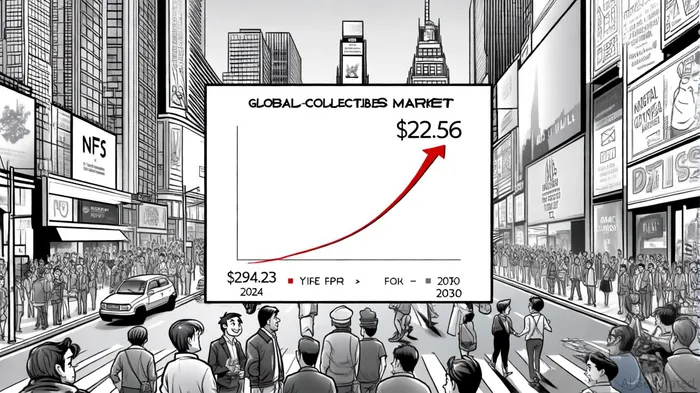







Comentarios
Aún no hay comentarios