
The FTSE 100's Resilience in a Fragmented Market: Can the Recent IPO Surge Sustain Momentum?
The FTSE 100 has defied expectations in 2023–2025, surging to record highs amid a fragmented global market. By January 31, 2025, the index reached 8,679.46 points, fueled by corporate earnings growth and anticipation of Bank of England rate cuts, according to an IG analysis. By October 2025, it had climbed further to 9,423.24 points, driven by a pharmaceutical sector boom and a strengthening British pound, as noted in a TalkMarkets report. This resilience raises a critical question: Can the recent IPO surge and evolving market structure sustain this momentum?
Market Structure and Sectoral Dynamics: A Post-Brexit Landscape
The FTSE 100's composition has long been shaped by multinational firms, which now account for over 70% of its constituents, according to a FTAdviser analysis. Post-Brexit, the index has outperformed the domestically focused FTSE 250, benefiting from a weaker sterling that boosted overseas earnings, as the FTAdviser piece observes. Sectors like financials (23.08% weighting), consumer staples (17.82%), and healthcare have emerged as key drivers; a Deloitte analysis highlights how reporting changes are reshaping corporate disclosures. For instance, pharmaceutical giants AstraZenecaAZN-- and GSKGSK-- surged in Q3 2025 following a U.S. pricing agreement with PfizerPFE--, which eased fears of protectionist policies, a trend described in the TalkMarkets report.
However, market fragmentation persists. Brexit's regulatory divergence from the EU has created administrative hurdles for trade, particularly in goods, while services sectors like financials face uncertainty over cross-border cooperation, as shown in the Trustnet charts. Meanwhile, energy and mining firms have thrived on commodity price rebounds, though analysts caution against overexposure to cyclical sectors, a risk also flagged by the TalkMarkets report.
Investor Sentiment: Optimism Amid Caution
Investor sentiment toward the FTSE 100 has shifted from cautious optimism to outright bullishness. A Jefferies survey revealed that two-thirds of investors expect the index to finish higher by year-end 2025, a finding discussed in the Deloitte analysis. This confidence stems from macroeconomic tailwinds, including a U.S.-UK trade agreement and expectations of a Federal Reserve rate cut, as the IG analysis notes, and the index's 6.7% Q3 gain-its strongest quarterly performance since October 2022-has attracted foreign capital, with the weaker pound making UK equities more attractive (per the IG analysis).
Yet, risks linger. Over 46% of FTSE 100 companies restated sustainability metrics in 2024, highlighting inconsistencies in ESG reporting, as the Deloitte analysis documents. While 79% now obtain external ESG assurance, regulatory scrutiny under the Corporate Sustainability Reporting Directive (CSRD) could pressure firms to align financial and sustainability outcomes, a point the Deloitte piece emphasises.
The IPO Surge: A Catalyst for Growth?
The UK IPO market, dormant in 2024, is poised for a 2025 rebound, with high-profile listings like Metlen Energy & Metals and Shein (potentially valued at £50 billion) expected to inject fresh capital, according to the IG analysis. The Financial Conduct Authority's (FCA) new rules, designed to attract growth-focused companies, could further bolster the London Stock Exchange's appeal, an outcome the IG piece outlines.
However, the sustainability of this IPO-driven momentum hinges on ESG alignment. The European Securities and Markets Authority's (ESMA) 80% sustainability allocation rule for ESG-labeled funds will force IPOs to demonstrate verifiable environmental or social impact, as the FTAdviser analysis explains. Failure to meet these standards risks deterring ESG-conscious investors, who now dominate 30% of UK equity inflows, a concern raised in the FTAdviser piece.
Balancing Act: Fragmentation and Regulatory Shifts
Market fragmentation remains a double-edged sword. While sectoral divergence allows the FTSE 100 to capitalize on global trends (e.g., energy demand, healthcare innovation), it also exposes the index to geopolitical shocks. For example, energy sector corrections or a U.S. government shutdown could disrupt investor confidence, as the IG analysis warns.
Regulatory shifts, particularly in ESG compliance, will further shape the landscape. The FCA's anti-greenwashing rules and digital tagging requirements under CSRD will increase operational costs for firms but may enhance long-term trust, a dynamic the FTAdviser piece discusses. Analysts like Jonathan Unwin of Mirabaud Wealth Management argue that companies aligning with these standards will outperform peers, reinforcing the FTSE 100's resilience, a point illustrated in the Trustnet charts.
Conclusion: A Path Forward
The FTSE 100's recent surge is underpinned by a unique confluence of factors: a weaker pound, sectoral strength, and regulatory tailwinds. While the IPO rebound and ESG-driven reforms offer a sustainable path forward, challenges-such as market fragmentation and ESG reporting inconsistencies-demand vigilance. If UK companies and regulators navigate these hurdles effectively, the index could reach 9,000–11,000 points by 2030, as projected in the TalkMarkets report. For now, the FTSE 100 remains a compelling barometer of global market dynamics. 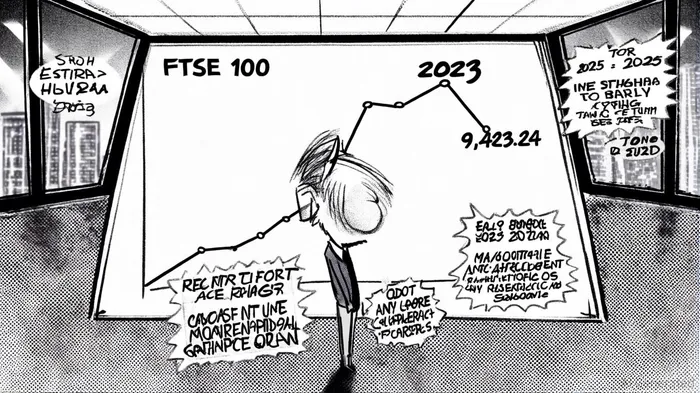





Comentarios
Aún no hay comentarios