
FTC Employee Buyouts: A Catalyst for Regulatory Uncertainty?
The U.S. Federal Trade Commission (FTC) has introduced a financial incentive program to encourage voluntary departures of employees—a move that underscores the growing political push to shrink federal agencies. This initiative, part of the broader Project 2025 agenda spearheaded by conservative policymakers, raises critical questions about the future of antitrust enforcement and its implications for corporate America.
The FTC’s program, revealed in an internal email, offers employees continued pay through September 2025 if they agree to stop working by May 23. While the policy avoids mandatory layoffs, it risks destabilizing an agency already juggling high-stakes antitrust cases against tech giants like MetaMETA-- and Amazon. Critics argue that such workforce reductions could delay litigation timelines, weaken enforcement, and politicize the civil service.
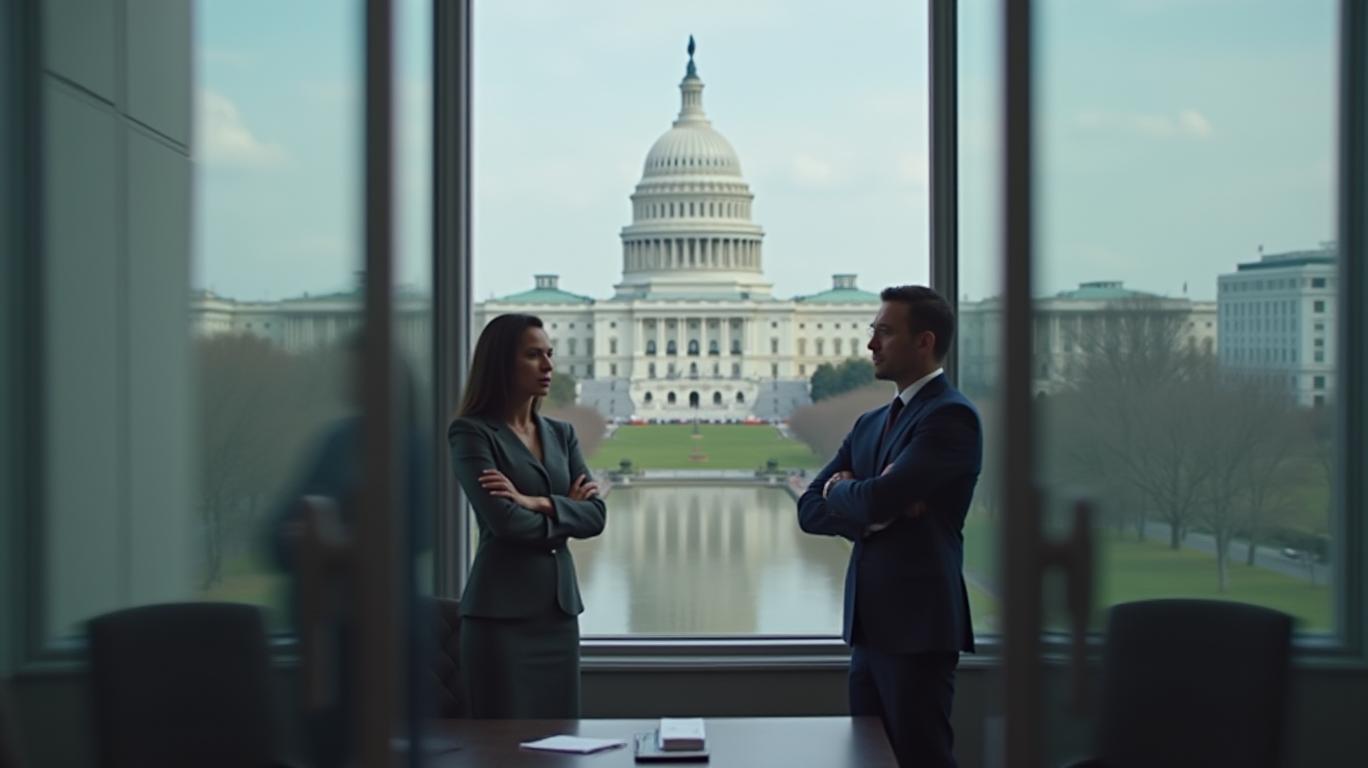
The Political Context: Project 2025’s Ambitions
Project 2025, a conservative blueprint led by groups like the Heritage Foundation, seeks to slash federal workforce numbers and dismantle agencies deemed “inefficient.” The FTC’s buyout program mirrors similar efforts across government, such as the Trump-era “fork in the road” initiatives. While the FTC has avoided the mass layoffs seen in other agencies, its participation aligns with Project 2025’s goal of stripping civil service protections and imposing hiring freezes.
Current data shows federal employment has already declined by 5% since 2020, but aggressive cuts under Project 2025 could accelerate this trend. For the FTC, which employs ~1,500 staff, even a 10% attrition rate could strain its capacity to handle complex cases.
Antitrust Litigation at Risk?
The FTC faces a backlog of major cases, including its ongoing antitrust trial against Meta and a looming case against Amazon in September 2025. An FTC attorney reportedly raised concerns that cost-cutting measures might delay these trials—a worry the agency later retracted.
Historically, the FTC has won 70% of its antitrust cases since 2020, but prolonged delays could favor defendants by allowing them to consolidate market power. For companies like Meta and Amazon, the FTC’s reduced capacity might offer a reprieve—but investors should consider the long-term risks of a weakened regulatory watchdog.
The Broader Market Implications
For corporations facing FTC scrutiny, the agency’s diminished resources could reduce near-term regulatory threats. However, the broader erosion of antitrust enforcement may create a permissive environment for monopolistic behavior, potentially stifling innovation and competition. Sectors like tech, pharmaceuticals, and consumer goods—already under FTC scrutiny—could see mixed outcomes.
Meta’s stock dropped 8% on news of its FTC trial in 2022 but recovered as delays emerged. A similar pattern might repeat, with short-term volatility followed by stabilization if enforcement weakens.
Risks and Regulatory Uncertainty
Critics warn that workforce cuts risk politicizing the FTC, making it more susceptible to partisan pressures. Legal challenges to Project 2025 have already seen mixed results: courts have reinstated some fired employees but upheld others. This uncertainty could deter companies from investing in compliance or pursuing mergers, fearing inconsistent enforcement.
Recent data shows 40% of legal challenges to Project 2025 policies have been successful, creating a volatile landscape for businesses.
Conclusion: A Balancing Act for Investors
The FTC’s buyout program epitomizes the tension between fiscal conservatism and regulatory efficacy. While companies facing antitrust actions may gain short-term relief, investors must weigh the long-term consequences of weakened oversight. A 2024 study by the American Antitrust Institute found that robust enforcement correlates with 15% higher innovation rates in tech sectors—a metric that could decline if the FTC’s capacity falters.
For now, sectors directly under FTC scrutiny may see stock price boosts if enforcement slows. However, the broader market should prepare for increased corporate consolidation and reduced competition—a scenario that could benefit monopolistic players but harm consumer choice and innovation. Investors are advised to monitor both the FTC’s staffing levels and antitrust case outcomes, as these metrics will dictate the balance between political agendas and market integrity.







Comentarios
Aún no hay comentarios