
French Premier Buys Time to Pass Budget With Concessions
Generado por agente de IAHarrison Brooks
martes, 14 de enero de 2025, 3:08 pm ET2 min de lectura
EIG--
French Prime Minister Michel Barnier is navigating a delicate political landscape as he attempts to pass the 2025 budget, making strategic concessions to secure support from various political factions. With the budget set to be debated in parliament until mid-December, Barnier is facing a complex web of divisions within his center-right coalition and opposition from left-wing lawmakers, labor unions, and employers' unions. To avoid a potential no-confidence vote from Marine Le Pen's National Rally party, Barnier has made several key concessions aimed at appeasing different political factions while attempting to balance the budget and restore investor confidence in France's public finances.
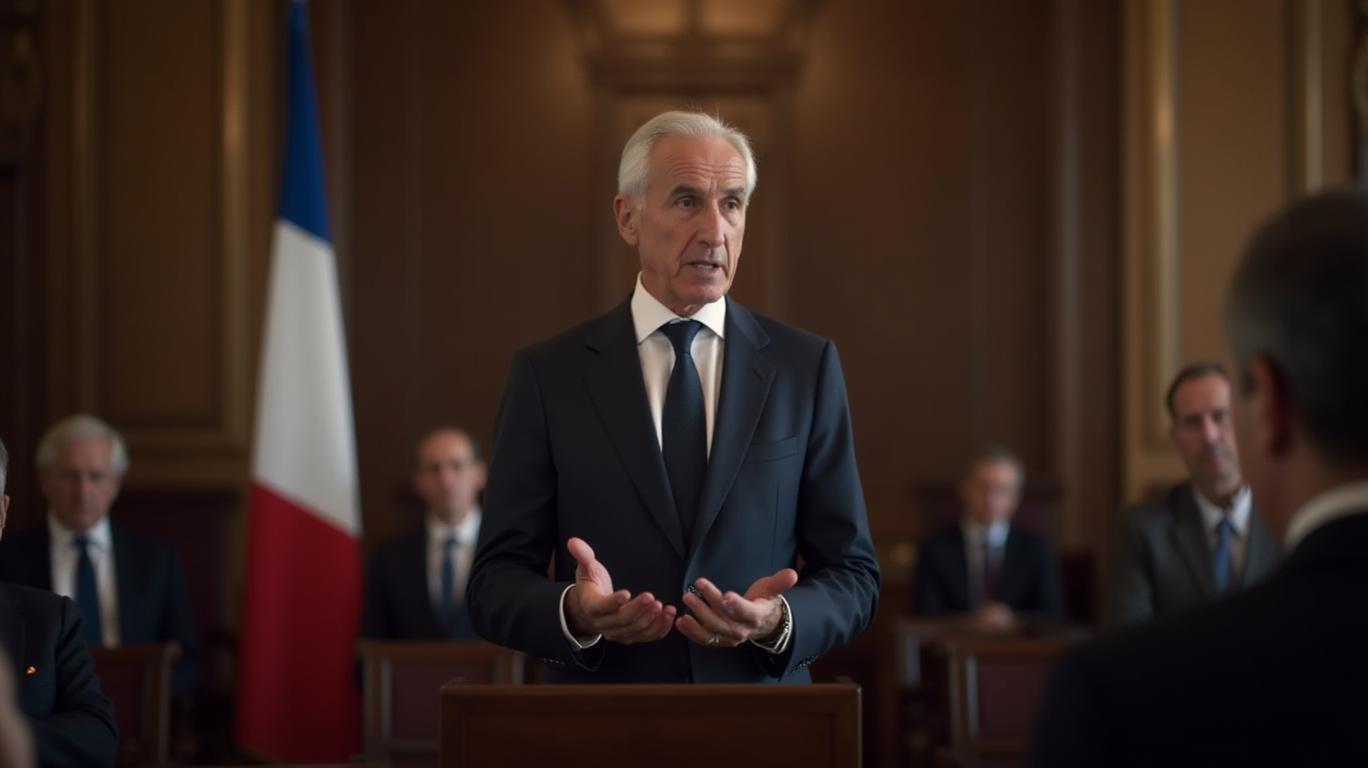
Barnier's budget, designed to plug widening holes in public finances and reassure investors, is subject to a succession of votes and thousands of amendments as it winds between parliamentary committees and the floors of the National Assembly and the Senate. The initial version of the budget was designed to deliver €60 billion ($63.3 billion) of savings from spending cuts and tax increases focused on the wealthiest individuals and largest companies. However, the complex political dynamics have forced Barnier to make several concessions to secure support for the budget.
One of the key concessions made by Barnier is delaying the target date for reaching the euro zone's 3% deficit goal from 2027 to 2029. This gives France more time to reduce its deficit without imposing harsh austerity measures immediately. Additionally, Barnier has proposed new taxes on about 24,000 wealthiest households and on the profits within France of hundreds of large companies, presented as temporary, aiming to share the burden of the budget squeeze more equitably. The government has also agreed to withdraw a planned increase in the electricity tax, which was a key demand of the far-right party, addressing their concern about the impact of tax increases on households.
However, these concessions and potential developments could collectively impact the budget's overall fiscal balance by increasing spending, reducing revenue, and delaying deficit reduction targets. This could lead to a wider deficit, higher debt, and potentially higher borrowing costs for France. The potential no-confidence vote from Marine Le Pen's National Rally party could also create political instability and potentially lead to a new government that may not prioritize fiscal discipline, resulting in a wider deficit.
In conclusion, French Prime Minister Michel Barnier is navigating a complex political landscape as he attempts to pass the 2025 budget, making strategic concessions to secure support from various political factions. While these concessions aim to address the concerns of different political factions, they could also impact the budget's overall fiscal balance, potentially leading to a wider deficit, higher debt, and higher borrowing costs for France. The outcome of the budget debate and the potential no-confidence vote from Marine Le Pen's National Rally party remain uncertain, with significant implications for France's public finances and political stability.
LE--
French Prime Minister Michel Barnier is navigating a delicate political landscape as he attempts to pass the 2025 budget, making strategic concessions to secure support from various political factions. With the budget set to be debated in parliament until mid-December, Barnier is facing a complex web of divisions within his center-right coalition and opposition from left-wing lawmakers, labor unions, and employers' unions. To avoid a potential no-confidence vote from Marine Le Pen's National Rally party, Barnier has made several key concessions aimed at appeasing different political factions while attempting to balance the budget and restore investor confidence in France's public finances.
Barnier's budget, designed to plug widening holes in public finances and reassure investors, is subject to a succession of votes and thousands of amendments as it winds between parliamentary committees and the floors of the National Assembly and the Senate. The initial version of the budget was designed to deliver €60 billion ($63.3 billion) of savings from spending cuts and tax increases focused on the wealthiest individuals and largest companies. However, the complex political dynamics have forced Barnier to make several concessions to secure support for the budget.
One of the key concessions made by Barnier is delaying the target date for reaching the euro zone's 3% deficit goal from 2027 to 2029. This gives France more time to reduce its deficit without imposing harsh austerity measures immediately. Additionally, Barnier has proposed new taxes on about 24,000 wealthiest households and on the profits within France of hundreds of large companies, presented as temporary, aiming to share the burden of the budget squeeze more equitably. The government has also agreed to withdraw a planned increase in the electricity tax, which was a key demand of the far-right party, addressing their concern about the impact of tax increases on households.
However, these concessions and potential developments could collectively impact the budget's overall fiscal balance by increasing spending, reducing revenue, and delaying deficit reduction targets. This could lead to a wider deficit, higher debt, and potentially higher borrowing costs for France. The potential no-confidence vote from Marine Le Pen's National Rally party could also create political instability and potentially lead to a new government that may not prioritize fiscal discipline, resulting in a wider deficit.
In conclusion, French Prime Minister Michel Barnier is navigating a complex political landscape as he attempts to pass the 2025 budget, making strategic concessions to secure support from various political factions. While these concessions aim to address the concerns of different political factions, they could also impact the budget's overall fiscal balance, potentially leading to a wider deficit, higher debt, and higher borrowing costs for France. The outcome of the budget debate and the potential no-confidence vote from Marine Le Pen's National Rally party remain uncertain, with significant implications for France's public finances and political stability.

Divulgación editorial y transparencia de la IA: Ainvest News utiliza tecnología avanzada de Modelos de Lenguaje Largo (LLM) para sintetizar y analizar datos de mercado en tiempo real. Para garantizar los más altos estándares de integridad, cada artículo se somete a un riguroso proceso de verificación con participación humana.
Mientras la IA asiste en el procesamiento de datos y la redacción inicial, un miembro editorial profesional de Ainvest revisa, verifica y aprueba de forma independiente todo el contenido para garantizar su precisión y cumplimiento con los estándares editoriales de Ainvest Fintech Inc. Esta supervisión humana está diseñada para mitigar las alucinaciones de la IA y garantizar el contexto financiero.
Advertencia sobre inversiones: Este contenido se proporciona únicamente con fines informativos y no constituye asesoramiento profesional de inversión, legal o financiero. Los mercados conllevan riesgos inherentes. Se recomienda a los usuarios que realicen una investigación independiente o consulten a un asesor financiero certificado antes de tomar cualquier decisión. Ainvest Fintech Inc. se exime de toda responsabilidad por las acciones tomadas con base en esta información. ¿Encontró un error? Reportar un problema


SOBRE NOSOTROS
Nuestra historiaAutores de noticiasBase de conocimientosPolítica de privacidadTérmino de usoDescargo de responsabilidad de corretaje de tercerosTérminos de uso de AIMEDivulgaciones de riesgos de AInvest AICarrerasCONTÁCTENOS
Email: support@ainvest.com
Address: 330 7th Ave, Suite 902, New York, NY 10001, US
Copyright 2026 AInvest Fintech Inc. All rights reserved.


Comentarios
Aún no hay comentarios