
France's Industrial Quagmire: Energy Costs and the Case for Shorting Vulnerable Sectors
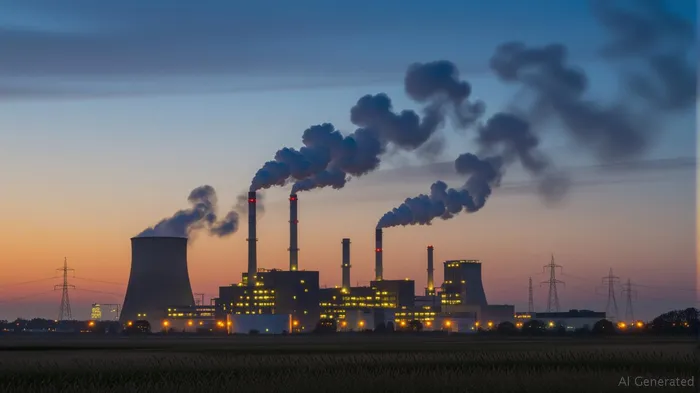
France's industrial sector is in the throes of a structural decline, driven by escalating energy costs and sector-specific vulnerabilities. Data from the French National Institute of Statistics and Economic Studies (INSEE) paints a stark picture: energy-intensive industries like basic metals, glass, and chemicals have seen output plummet by 14–24% since 2021, while manufacturing PMI contracted to 48.1 in June 2025. For investors, this crisis presents clear opportunities to short exposed firms and pivot toward energy producers insulated from the downturn.
Sector-Specific Vulnerabilities: The Cost of Being Energy-Intensive
The decline is not uniform. Energy-intensive industries bear the brunt of soaring electricity, gas, and refined petroleum prices, which have yet to return to pre-2021 levels.
Metals and Glass: A Structural Collapse
- ArcelorMittal (MT.PA): Basic iron and steel output remains 23.6% below 2021 levels, with costs for raw materials and energy eating into margins.
- Saint-Gobain (SGOB.PA): Glass production is down 17.4% since 2021, as energy-heavy processes and regulatory shifts toward renewables squeeze profitability.
- Chemicals (e.g., Air Liquide): Output fell 5.4% year-on-year in early 2025, with basic chemicals particularly hard-hit by input cost inflation.
Transport Equipment: A Double Whammy
The sector, which accounts for 7.4% of manufacturing output, faces dual pressures:
1. Global Demand Weakness: Motor vehicle production dropped 10.7% year-on-year in early 2025, as European automakers grapple with slowing exports and supply chain bottlenecks.
2. Transition Costs: Transitioning to electric vehicles and sustainable materials adds to capital expenditures while disrupting short-term production volumes.
Energy Costs: The Silent Killer
Energy prices remain the linchpin of France's industrial woes. While natural gas prices have stabilized, electricity costs remain volatile, with renewable intermittency and grid constraints exacerbating volatility. For energy-intensive firms, this translates to:
- Input Cost Inflation: Steelmakers and glass producers face margins compressed by 10–15% since 2021.
- Operational Hurdles: Plants in regions with grid shortages (e.g., the southeast) face unplanned shutdowns, as seen in February 2025's -2.2% monthly drop in mining and energy sectors.
The Case for Shorting Vulnerable Firms
Saint-Gobain (SGOB.PA) and ArcelorMittal (MT.PA):
- Both are leveraged to sectors with no near-term relief from energy costs.
- SGOB.PA: Its glass division's EBITDA margin fell to 12% in early 2025 from 18% in 2021, while debt/equity remains elevated at 0.6x.
- MT.PA: Steel demand in Europe is structurally declining, with imports from low-cost producers (e.g., Turkey) undercutting domestic players.
Trade Recommendation:
- Short SGOB.PA and MT.PA using put options or inverse ETFs, targeting a 15–20% downside over six months.
Opportunities in Energy and Insulated Sectors
While energy costs hurt traditional manufacturers, they benefit energy producers and sectors with low energy exposure:
TotalEnergies (TTE.PA):
- Benefits from high energy prices and its diversified portfolio (oil, gas, renewables).
- 2025 Guidance: Free cash flow of €15 billion, up 20% from 2024, supports dividends and buybacks.
Food & Beverages (e.g., Danone):
- Steady domestic demand and export opportunities (e.g., processed meats) have kept output stable at +0.8% year-on-year.
Renewables Infrastructure:
- Invest in firms building grid resilience and green energy (e.g., NextEraNEE-- Europe) to capitalize on regulatory mandates for energy independence.
Conclusion: Navigating France's Industrial Crossroads
The structural decline in French industry is not a cyclical blip but a long-term shift driven by energy costs, global demand, and regulatory pressures. Investors must avoid sectors locked into high-energy models and pivot toward energy producers or low-exposure industries.
Final Trade Summary:
- Short SGOB.PA and MT.PA for energy cost exposure.
- Buy TTE.PA for energy price tailwinds.
- Avoid construction and intermediate goods firms tied to industrial demand (e.g., Vinci).
The French industrial landscape is a minefield for the unwary—but a goldmine for those who bet against vulnerability and back resilience.
Data as of June 2025. Past performance does not guarantee future results. Consult a financial advisor before making investment decisions.





Comentarios
Aún no hay comentarios