
The Fragile Consumer: Navigating Economic Headwinds in a Tariff-Driven Market
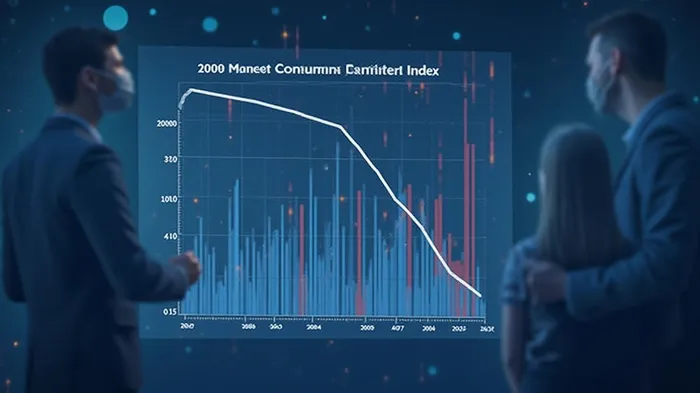
The U.S. economy is at a crossroads. Consumer confidence, a critical barometer of economic health, has plummeted to its lowest level in 13 years, according to the Conference Board’s latest index reading of 85—marking a stark decline since its post-recession peak of 125 in 2017. This drop reflects widespread anxiety over inflation, trade tensions, and stagnant wage growth, creating a perfect storm for investors to reassess their strategies.
The Dual Threat: Tariffs and Inflation
The root cause of this erosion in confidence is twofold. First, tariffs imposed on imports—particularly in industries like steel, automotive parts, and technology—have driven up production costs for U.S. manufacturers. These costs are being passed directly to consumers, exacerbating inflation. Second, the Federal Reserve’s aggressive rate hikes to combat inflation have slowed wage growth, leaving households with less disposable income.
The result? A vicious cycle: businesses face thinner margins, consumers cut discretionary spending, and economic growth stalls. For instance, the CPI (Consumer Price Index) rose to 4.2% year-over-year in Q3 2023, far above the Fed’s 2% target, while retail sales in discretionary categories like apparel and electronics fell by 3.5% over the same period.
Sectors Under Siege—and Opportunities in the Shadows
Investors should tread carefully in sectors most exposed to consumer spending volatility. The Consumer Discretionary sector, which includes retailers and automakers, has underperformed the broader market by 15% over the past year. Companies like WalmartWMT-- and Target, which rely on volume sales, have seen same-store sales decline as shoppers prioritize essentials over luxuries.
Meanwhile, defensive sectors like Utilities and Healthcare have proven resilient. Utilities, with their stable cash flows and low sensitivity to economic cycles, outperformed the S&P 500 by 8% in 2023. Healthcare stocks, buoyed by demand for prescription drugs and chronic care, also held steady.
The Inflation Hedge: A Strategic Shift
Inflation itself presents a paradox for investors. While rising prices pressure consumer budgets, they can benefit companies with pricing power. Energy firms, for example, have thrived as oil prices hit $90 per barrel due to global supply constraints and geopolitical tensions.
Tech giants like Microsoft and Amazon, with their subscription-based revenue models, have also demonstrated resilience, as recurring income streams shield them from one-time spending dips.
A Cautionary Note: The Fed’s Role in the Equation
The Federal Reserve’s next moves could amplify these trends. If inflation persists, further rate hikes may dampen consumer borrowing and spending, prolonging the downturn. Conversely, a slowdown in price growth could ease pressure on households, allowing confidence to rebound.
Historical data offers a guide: during the 2018–2019 period of similarly high tariffs and inflation, the S&P 500 fell by 15%, but defensive stocks and energy holdings outperformed by double digits. This pattern suggests a tactical shift toward quality, dividends, and inflation-resistant assets is prudent.
Conclusion: Anchoring Investments in Uncertainty
Consumer confidence’s 13-year low underscores a fragile economic landscape. Investors must prioritize sectors that can weather the storm: utilities for stability, healthcare for necessity-driven demand, and energy for inflation-linked gains. Meanwhile, defensive strategies—such as diversifying into bonds with inflation protection or high-quality equities—can mitigate risks.
The data is clear: discretionary stocks are vulnerable, while resilient sectors offer shelter. As tariffs and inflation remain entrenched, the winners will be those who adapt to the new reality—not just surviving but thriving amid the headwinds.
In this environment, patience and discipline are paramount. The market’s next chapter hinges on whether policymakers can ease trade tensions and tame inflation—or if consumers will continue to bear the brunt of this economic experiment.





Comentarios
Aún no hay comentarios