
New Fortress Energy Surges on Growth Milestone, Yet Leverage Rises
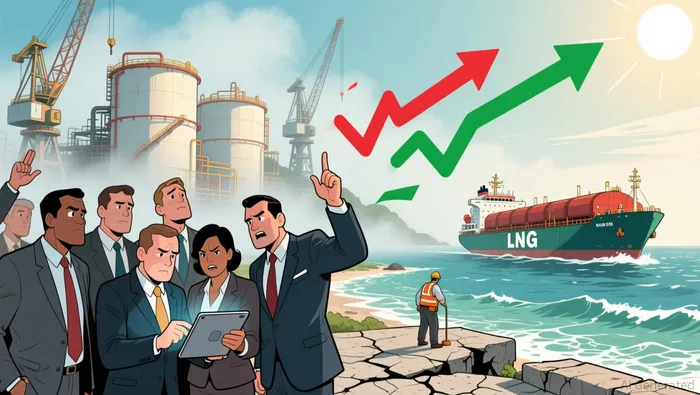
New Fortress Energy (NFE) secured final regulatory approval for a seven-year, $3 billion LNG supply agreement to deliver 75 trillion British thermal units of natural gas to Puerto Rico, providing critical liquidity to stabilize its finances and advance the island's energy transition plan. According to the report, the deal's completion triggered an immediate 12.1% surge in NFE's stock price on December 6, 2025, adding roughly $58 million to the company's market valuation amid heightened trading activity. As research shows, investors interpreted the contract as a partial solution to NFE's survival challenges, with optimism building around its potential to expand market presence in renewable energy infrastructure across Puerto Rico. However, the agreement-though smaller and less profitable than originally envisioned-does not resolve NFE's underlying financial fragility. The company remains highly leveraged, having sold key assets to stay operational, leaving long-term investors exposed to execution risks and further refinancing pressures despite the near-term valuation boost.
Growth Trade-offs: Asset Sales and Monetization Limits
New Fortress Energy's recent $3 billion Puerto Rico LNG contract delivered vital near-term cash but exposed serious compromises in its growth strategy. While the deal secured the liquidity needed to avoid bankruptcy and satisfied regulators, it came at the cost of significantly reduced profitability and future growth potential. The agreement is notably shorter and less lucrative than originally proposed, directly limiting the company's ability to generate sustained high-margin revenue from this key asset.
This immediate financial pressure forced New FortressNFE-- to sell key assets to stay solvent, a move that directly undermines its long-term capacity. These asset sales, while critical for surviving the present liquidity crunch, stripped the company of valuable resources it could have leveraged for future expansion or resilience. The result is a fragile financial position, characterized by high leverage and diminished operational flexibility, which analysts warn creates significant ongoing risks for investors.
The trade-off is stark: the contract prioritizes solving acute cash flow problems and stabilizing the business today, but at the expense of building a robust, profitable foundation for tomorrow. While the liquidity injection prevents an immediate crisis, the compromised deal terms and reduced asset base weaken New Fortress's competitive standing and capacity to absorb future shocks or pursue new opportunities, highlighting the difficult choices forced by its current financial constraints.
Risk Guardrails: Leverage and Regulatory Uncertainties
The recent $3 billion LNG contract approval in Puerto Rico provided New Fortress EnergyNFE-- with desperately needed liquidity, but it did not erase the structural vulnerabilities that define its risk profile. While the seven-year supply agreement resolved months of regulatory delays, such approval cycles remain a recurring source of uncertainty for the company. The Financial Oversight and Management Board's finalization of the deal underscores how government interventions can abruptly reshape contractual terms-making Puerto Rico a high-stakes but unpredictable market.
Even with the cash infusion, New Fortress's leverage remains a critical concern. The company's survival strategy has relied on selling key assets and accepting reduced margins, leaving it with a fragile financial position. Analysts highlight that the contract's shortened duration and suboptimal profitability limit its ability to address long-term debt obligations, creating a cycle where regulatory approvals become temporary lifelines rather than sustainable solutions. This precarious balance means investors face persistent downside risk: any delay in future approvals or shift in regulatory sentiment could quickly reignite liquidity pressures, especially as the firm navigates its existing debt load without a clear path to deleveraging.





Comentarios
Aún no hay comentarios