
Fortifying Supply Chains: Why Resilient Retailers and Logistics Leaders are Set to Thrive Amid Tariff Turbulence
The U.S. retail supply chain is at a crossroads. Tariff volatility, driven by geopolitical tensions and sector-specific trade policies, has created both risks and opportunities. For investors, the key lies in identifying companies that have fortified their supply chains—those leveraging inventory buffers, diversifying sourcing, and mastering logistics agility. These firms are not just weathering the storm; they’re poised to dominate in the post-tariff economy.
The Tariff Volatility Landscape
The U.S. tariff regime has reshaped trade dynamics since 2024, with long-term GDP contracting by 0.4% and consumer prices surging across sectors. Automotive prices alone rose 9.3% in 2025, while textiles and apparel saw 14–19% hikes. But beneath the chaos, a clear pattern emerges: companies with flexible supply chains and strategic inventory management are outperforming their peers.
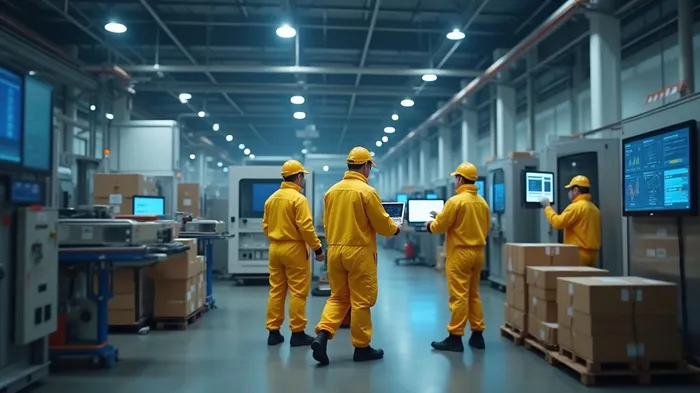
The Shift to Strategic Inventory Buffers
The GEP Global Supply Chain Volatility Index reveals manufacturers are stockpiling at a "concerning rate," but this isn’t panic—it’s strategic foresight. By building buffers, firms insulate themselves from tariff-induced disruptions and shipping delays. Consider this:
- Retailers like Walmart and Target are increasing inventory turnover ratios to maintain liquidity while avoiding stockouts.
-
- Logistics giants UPS and FedEx are expanding U.S. domestic networks to capitalize on the 15% annual cargo decline from overseas.
Winners in the Retail Supply Chain
USMCA-Compliant Manufacturers
Companies like Deere and P&G that align with the U.S.-Mexico-Canada Agreement (USMCA) avoid punitive tariffs. Their products, labeled as "Made in North America," gain pricing stability and faster customs clearance.Tech-Driven Logistics Providers
Firms such as C.H. Robinson and XPO Logistics are integrating AI and IoT to optimize routes, reduce costs, and handle compliance complexities. Their ability to navigate tariff rules in real time is a critical moat in this environment.Diversified Sourcing Retailers
Home Depot and Lowe’s are shifting production from China to Vietnam and Mexico, reducing reliance on volatile markets. Their early moves to reconfigure supply chains now give them a 20–30% cost advantage over slower competitors.
Investment Strategies for the New Normal
- Go Long on Logistics: Invest in companies with domestic last-mile infrastructure and trade-compliance tech.
- Short-Term Plays: Target retailers with high inventory turnover and hedged commodity prices (e.g., Costco, Dollar Tree).
- Avoid the Fragile: Steer clear of firms reliant on single-source suppliers or non-USMCA regions.
The Bottom Line
Tariff volatility isn’t a temporary hurdle—it’s the new normal. Companies that have already invested in supply chain resilience, inventory buffers, and regulatory agility are primed to capture market share. For investors, now is the time to act: allocate capital to logistics leaders and retailers with diversified, fortified supply chains. The next leg of this trade war will reward the prepared.
Act decisively. The supply chain reshuffle is underway—and the winners are already in motion.
This analysis synthesizes data from U.S. tariff reports, GEP’s Volatility Index, and sector-specific performance metrics. Investors should conduct further due diligence before making decisions.





Comentarios
Aún no hay comentarios