
Foreign Leaders at Trump's Inauguration: A Global Shift in U.S. Politics
Generado por agente de IAHarrison Brooks
lunes, 20 de enero de 2025, 12:40 pm ET1 min de lectura
PINC--
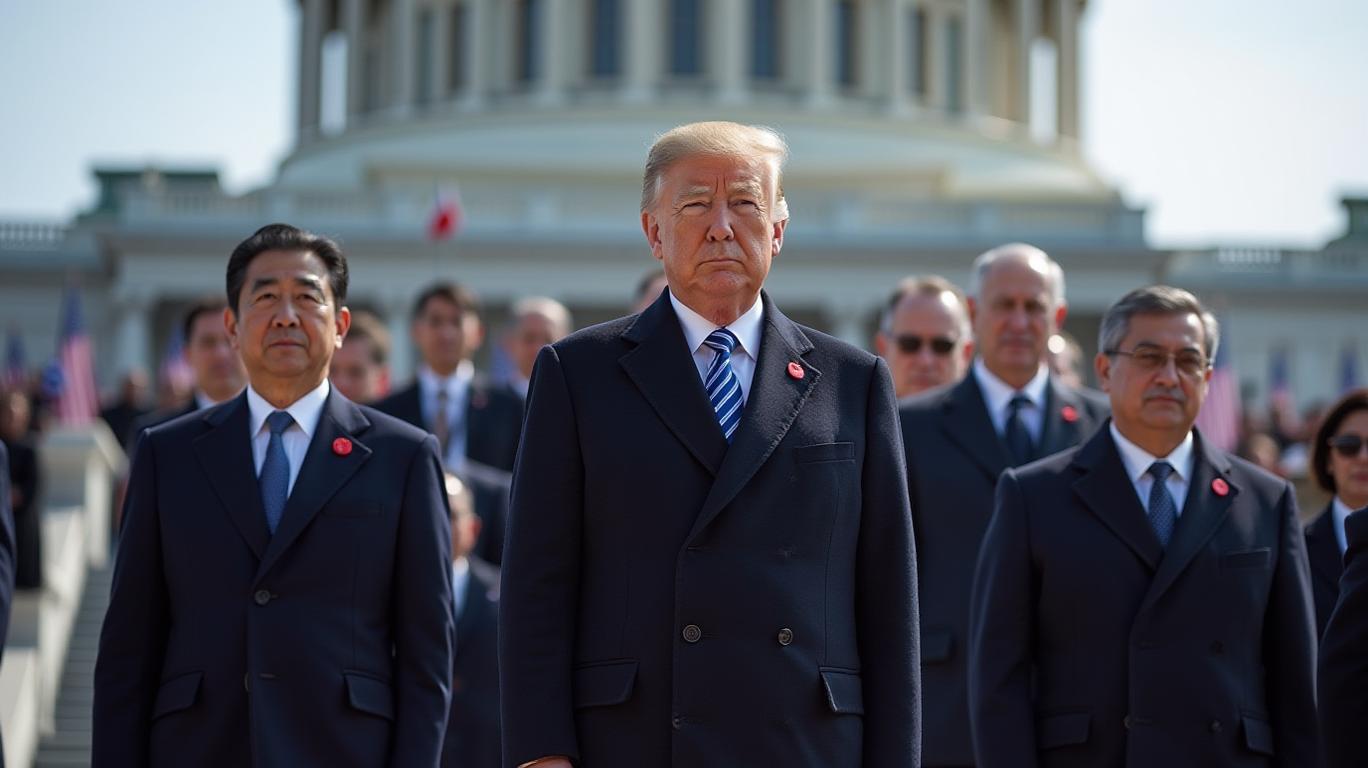
The inauguration of President-elect Donald Trump on January 21, 2025, marked a significant shift in U.S. foreign policy, with the unprecedented attendance of foreign leaders at the event. This article explores the implications of this global gathering and its potential impact on U.S. politics and international relations.
A New Era of U.S. Foreign Policy
The presence of foreign leaders at Trump's inauguration signals a departure from past traditions, indicating a more engaged and assertive U.S. foreign policy. By inviting conservative world leaders such as Argentine President Javier Milei and Italian Premier Giorgia Meloni, Trump has demonstrated his intention to strengthen ties with like-minded nations and build a global coalition of conservative allies.
U.S.-China Rivalry and Cooperation
The invitation of Chinese Vice President Han Zheng to attend the inauguration reflects the complex nature of the U.S.-China rivalry and potential areas of cooperation under Trump's second term. While the U.S. and China remain locked in a strategic competition, the two nations have shown a willingness to engage on specific issues, such as trade and technology. The attendance of Han Zheng at the inauguration suggests that both sides are committed to maintaining diplomatic channels open, despite their differences.
Economic Implications and U.S. Trade Relations
The attendance of leaders like Argentine President Javier Milei and Italian Premier Giorgia Meloni at Trump's inauguration has significant economic implications for the United States, particularly in terms of trade relations. Milei's austerity measures in Argentina and Meloni's pro-business policies in Italy could lead to increased trade between these nations and the U.S. Additionally, the presence of these leaders at the inauguration may signal a willingness to explore new trade opportunities and strengthen economic ties.
Conclusion
The attendance of foreign leaders at Trump's inauguration represents a significant shift in U.S. foreign policy, with potential implications for alliances, relations with China, right-wing movements, and isolationism. As Trump begins his second term, the global gathering at his inauguration serves as a reminder of the interconnected nature of international relations and the importance of diplomacy in navigating the complex challenges that lie ahead.
The inauguration of President-elect Donald Trump on January 21, 2025, marked a significant shift in U.S. foreign policy, with the unprecedented attendance of foreign leaders at the event. This article explores the implications of this global gathering and its potential impact on U.S. politics and international relations.
A New Era of U.S. Foreign Policy
The presence of foreign leaders at Trump's inauguration signals a departure from past traditions, indicating a more engaged and assertive U.S. foreign policy. By inviting conservative world leaders such as Argentine President Javier Milei and Italian Premier Giorgia Meloni, Trump has demonstrated his intention to strengthen ties with like-minded nations and build a global coalition of conservative allies.
U.S.-China Rivalry and Cooperation
The invitation of Chinese Vice President Han Zheng to attend the inauguration reflects the complex nature of the U.S.-China rivalry and potential areas of cooperation under Trump's second term. While the U.S. and China remain locked in a strategic competition, the two nations have shown a willingness to engage on specific issues, such as trade and technology. The attendance of Han Zheng at the inauguration suggests that both sides are committed to maintaining diplomatic channels open, despite their differences.
Economic Implications and U.S. Trade Relations
The attendance of leaders like Argentine President Javier Milei and Italian Premier Giorgia Meloni at Trump's inauguration has significant economic implications for the United States, particularly in terms of trade relations. Milei's austerity measures in Argentina and Meloni's pro-business policies in Italy could lead to increased trade between these nations and the U.S. Additionally, the presence of these leaders at the inauguration may signal a willingness to explore new trade opportunities and strengthen economic ties.
Conclusion
The attendance of foreign leaders at Trump's inauguration represents a significant shift in U.S. foreign policy, with potential implications for alliances, relations with China, right-wing movements, and isolationism. As Trump begins his second term, the global gathering at his inauguration serves as a reminder of the interconnected nature of international relations and the importance of diplomacy in navigating the complex challenges that lie ahead.

Divulgación editorial y transparencia de la IA: Ainvest News utiliza tecnología avanzada de Modelos de Lenguaje Largo (LLM) para sintetizar y analizar datos de mercado en tiempo real. Para garantizar los más altos estándares de integridad, cada artículo se somete a un riguroso proceso de verificación con participación humana.
Mientras la IA asiste en el procesamiento de datos y la redacción inicial, un miembro editorial profesional de Ainvest revisa, verifica y aprueba de forma independiente todo el contenido para garantizar su precisión y cumplimiento con los estándares editoriales de Ainvest Fintech Inc. Esta supervisión humana está diseñada para mitigar las alucinaciones de la IA y garantizar el contexto financiero.
Advertencia sobre inversiones: Este contenido se proporciona únicamente con fines informativos y no constituye asesoramiento profesional de inversión, legal o financiero. Los mercados conllevan riesgos inherentes. Se recomienda a los usuarios que realicen una investigación independiente o consulten a un asesor financiero certificado antes de tomar cualquier decisión. Ainvest Fintech Inc. se exime de toda responsabilidad por las acciones tomadas con base en esta información. ¿Encontró un error? Reportar un problema




Comentarios
Aún no hay comentarios