
Ford's Recall Crisis: Operational Risks, Market Sentiment, and the Contrarian's Dilemma
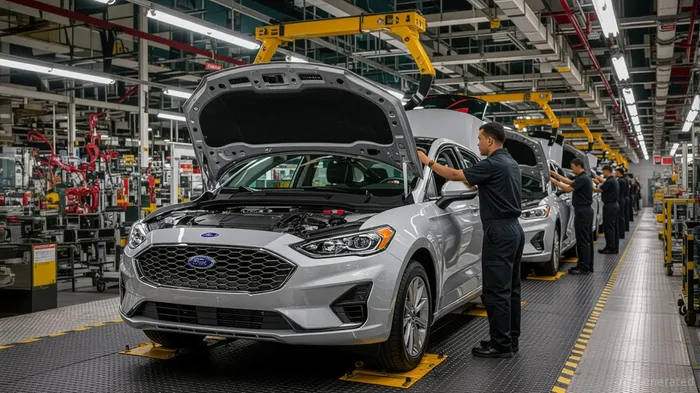
Ford Motor Company has faced unprecedented scrutiny in 2025 as a cascade of recalls—now exceeding 850,000 vehicles for a single software defect and over 4 million vehicles in total—has exposed vulnerabilities in its operational risk management. These recalls have not only strained its finances but also eroded investor confidence, prompting questions about whether its stock presents a contrarian opportunity or a long-term liability.
Operational Risks: Costly Defects and Systemic Challenges
The recalls underscore two critical operational risks: rising production costs and brand reputation damage.
First, the financial burden is staggering. The rearview camera software recall alone affects over 1.07 million vehicles, requiring dealer visits or costly over-the-air updates. However, 85% of recent fixes still demand physical inspections or part replacements—such as brake fluid leaks or engine block heater repairs—amplifying labor and logistics costs. Compounding this, Ford's EV division already faces a projected $5 billion loss, and recall-related expenses threaten to further strain margins. Warranty costs and reputational damage could deter buyers, particularly as competitors like TeslaTSLA-- and RivianRIVN-- offer software-driven vehicles with fewer mechanical recalls.
Second, brand credibility is at stake. The rearview camera flaw, which increases crash risks, and recalls for detached door trim or faulty airbag indicators, signal systemic quality control issues. For a century-old brand built on reliability, these defects risk alienating loyal customers and deterring new buyers. The SYNC 3 infotainment system recall, requiring physical replacements, exemplifies deeper engineering flaws beyond software glitches, raising doubts about Ford's ability to manage complexity in its modern, electrified lineup.
Market Sentiment: A Downward Spiral of Investor Confidence
Analyst and investor sentiment has soured. Ford's stock has declined by 9.01% year-to-date, and analysts maintain a Hold consensus, with a price target suggesting a potential 15.97% further decline. The forward price-to-sales ratio of 0.29—far below the industry average—reflects skepticism about its ability to recover profitability.
The recalls have triggered two key concerns:
1. Financial Sustainability: The $5 billion EV losses and escalating recall costs have investors questioning Ford's cash reserves and debt capacity.
2. Competitive Positioning: As rivals prioritize software reliability and modular designs, Ford's reliance on complex mechanical systems may leave it vulnerable to market shifts toward simplicity and scalability.
The Contrarian's Dilemma: Buy the Dip or Avoid the Risk?
Ford's stock currently trades at a historic low, tempting contrarian investors. However, the risks outweigh the potential rewards unless the company demonstrates three critical improvements:
- Operational Turnaround: A clear plan to address systemic defects, reduce recall frequency, and improve quality control.
- Cost Discipline: Evidence of margin stabilization through reduced warranty expenses and EV cost optimization.
- Brand Rebuilding: Aggressive marketing and transparency to restore consumer trust, particularly in high-profile models like the F-150 Lightning.
Until then, Ford's stock remains a high-risk play. While its valuation is depressed, the combination of financial strain, competitive pressures, and unresolved quality issues suggests the downside risks—such as further recalls or regulatory penalties—could persist.
Conclusion: Proceed with Caution
Ford's recall crisis is a microcosm of broader challenges in the automotive industry: balancing innovation with reliability in an era of rapid technological change. For investors, the stock offers a contrarian narrative only if Ford can execute a swift turnaround. In the absence of clear progress, Ford's shares remain a red flag for long-term portfolios.
Final recommendation: Monitor Ford's recall resolution timelines and Q3 financial results before considering entry. Until operational stability is proven, prioritize safer bets in automotive or tech stocks with stronger fundamentals.





Comentarios
Aún no hay comentarios