
Ford's Mustang Mach-E: A Bright Spot in US EV Sales, But Tariffs Pose a Threat
Generado por agente de IAWesley Park
martes, 4 de marzo de 2025, 2:31 am ET1 min de lectura
FORD--
Ford's Mustang Mach-E has been a standout performer in the U.S. electric vehicle (EV) market, leading the company's sales in February 2025. However, the proposed 25% tariffs on imports from Mexico and Canada, if implemented, could pose a significant threat to Ford's competitive position in the U.S. EV market.
The Mustang Mach-E, manufactured at Ford's Cuautitlán Stamping and Assembly Plant in Mexico, has seen strong sales growth in recent years. In 2023, FordFORD-- sold 40,771 Mach-E units, and in 2024, it sold 56,337 units, indicating a growing trend in sales. This success can be attributed to several factors, including increased demand for electric vehicles, competitive pricing and features, Ford's strong brand reputation, and the Mustang nameplate's appeal.
However, the proposed 25% tariffs on imports from Mexico and Canada could have a significant impact on Ford's production and pricing strategies, particularly for the Mustang Mach-E. Ford CEO Jim Farley has warned that these tariffs would "blow a hole" in the U.S. auto industry and provide a "windfall" to Asian and European rivals that wouldn't face similar levies on cars they import from their home regions.
If these tariffs are implemented, the cost of importing the Mach-E into the U.S. would increase, potentially leading to a price hike for American consumers. This could make the Mach-E less competitive against other EVs, especially those from Asian and European rivals that are not subject to similar tariffs. For example, Tesla, which is not subject to these tariffs, could see an increase in sales of its Model Y, which is a direct competitor to the Mustang Mach-E.
Moreover, the potential price increase for Ford's EVs could also lead to a decrease in demand, as consumers may be more price-sensitive when it comes to electric vehicles. This could further erode Ford's market share in the U.S. EV market.
In conclusion, the Mustang Mach-E's strong sales performance in February 2025 is a testament to Ford's success in the U.S. EV market. However, the proposed 25% tariffs on imports from Mexico and Canada, if implemented, could significantly impact Ford's competitive position in the U.S. EV market by increasing the price of its EVs, providing a windfall to Asian and European rivals, and potentially decreasing demand due to price sensitivity.
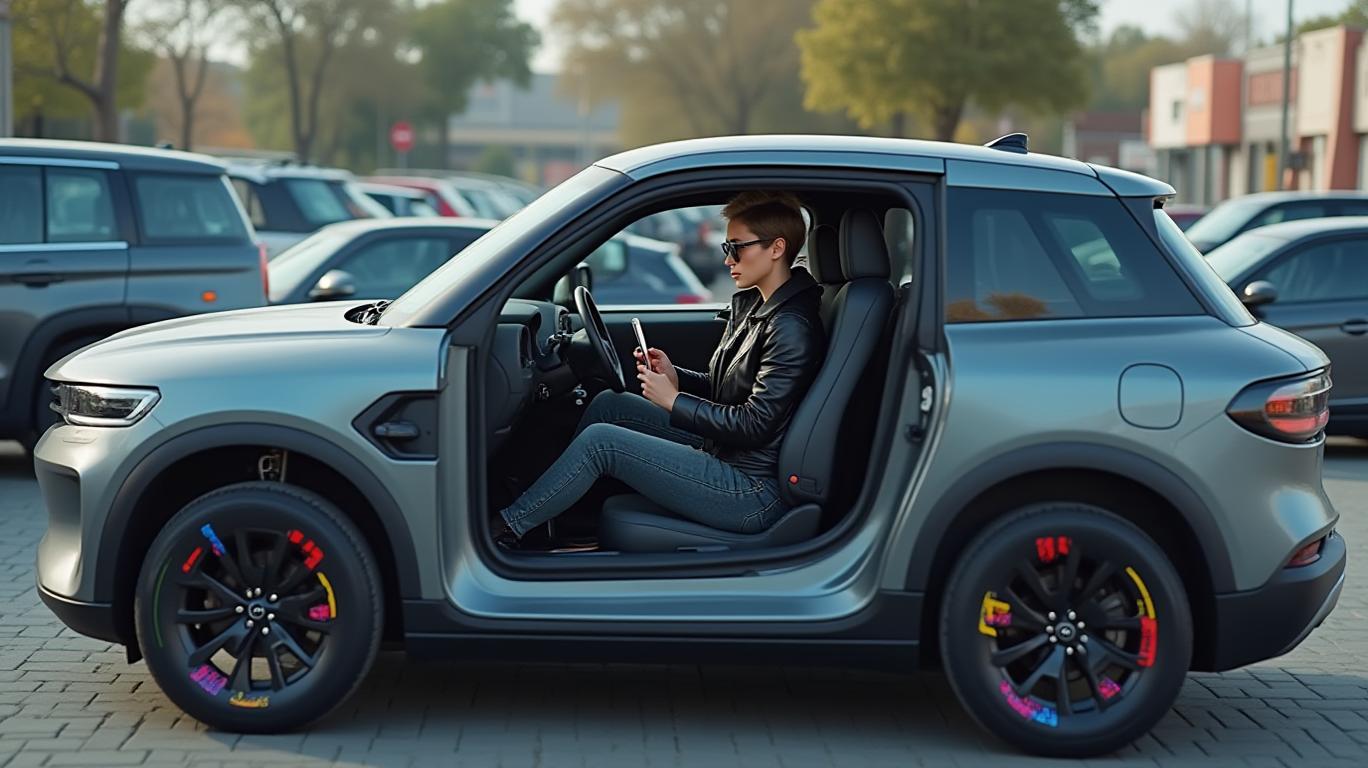
Ford's Mustang Mach-E has been a standout performer in the U.S. electric vehicle (EV) market, leading the company's sales in February 2025. However, the proposed 25% tariffs on imports from Mexico and Canada, if implemented, could pose a significant threat to Ford's competitive position in the U.S. EV market.
The Mustang Mach-E, manufactured at Ford's Cuautitlán Stamping and Assembly Plant in Mexico, has seen strong sales growth in recent years. In 2023, FordFORD-- sold 40,771 Mach-E units, and in 2024, it sold 56,337 units, indicating a growing trend in sales. This success can be attributed to several factors, including increased demand for electric vehicles, competitive pricing and features, Ford's strong brand reputation, and the Mustang nameplate's appeal.
However, the proposed 25% tariffs on imports from Mexico and Canada could have a significant impact on Ford's production and pricing strategies, particularly for the Mustang Mach-E. Ford CEO Jim Farley has warned that these tariffs would "blow a hole" in the U.S. auto industry and provide a "windfall" to Asian and European rivals that wouldn't face similar levies on cars they import from their home regions.
If these tariffs are implemented, the cost of importing the Mach-E into the U.S. would increase, potentially leading to a price hike for American consumers. This could make the Mach-E less competitive against other EVs, especially those from Asian and European rivals that are not subject to similar tariffs. For example, Tesla, which is not subject to these tariffs, could see an increase in sales of its Model Y, which is a direct competitor to the Mustang Mach-E.
Moreover, the potential price increase for Ford's EVs could also lead to a decrease in demand, as consumers may be more price-sensitive when it comes to electric vehicles. This could further erode Ford's market share in the U.S. EV market.
In conclusion, the Mustang Mach-E's strong sales performance in February 2025 is a testament to Ford's success in the U.S. EV market. However, the proposed 25% tariffs on imports from Mexico and Canada, if implemented, could significantly impact Ford's competitive position in the U.S. EV market by increasing the price of its EVs, providing a windfall to Asian and European rivals, and potentially decreasing demand due to price sensitivity.

Divulgación editorial y transparencia de la IA: Ainvest News utiliza tecnología avanzada de Modelos de Lenguaje Largo (LLM) para sintetizar y analizar datos de mercado en tiempo real. Para garantizar los más altos estándares de integridad, cada artículo se somete a un riguroso proceso de verificación con participación humana.
Mientras la IA asiste en el procesamiento de datos y la redacción inicial, un miembro editorial profesional de Ainvest revisa, verifica y aprueba de forma independiente todo el contenido para garantizar su precisión y cumplimiento con los estándares editoriales de Ainvest Fintech Inc. Esta supervisión humana está diseñada para mitigar las alucinaciones de la IA y garantizar el contexto financiero.
Advertencia sobre inversiones: Este contenido se proporciona únicamente con fines informativos y no constituye asesoramiento profesional de inversión, legal o financiero. Los mercados conllevan riesgos inherentes. Se recomienda a los usuarios que realicen una investigación independiente o consulten a un asesor financiero certificado antes de tomar cualquier decisión. Ainvest Fintech Inc. se exime de toda responsabilidad por las acciones tomadas con base en esta información. ¿Encontró un error? Reportar un problema


SOBRE NOSOTROS
Nuestra historiaAutores de noticiasBase de conocimientosPolítica de privacidadTérmino de usoDescargo de responsabilidad de corretaje de tercerosTérminos de uso de AIMEDivulgaciones de riesgos de AInvest AICarrerasCONTÁCTENOS
Email: support@ainvest.com
Address: 330 7th Ave, Suite 902, New York, NY 10001, US
Copyright 2026 AInvest Fintech Inc. All rights reserved.


Comentarios
Aún no hay comentarios