
Whole Foods Unionization: A New Chapter in Amazon's Labor Relations
Generado por agente de IAWesley Park
martes, 28 de enero de 2025, 1:22 am ET1 min de lectura
AMZN--
The recent vote by Whole Foods Market employees in Philadelphia to unionize has sparked a new chapter in Amazon's labor relations, as the e-commerce giant grapples with growing unionization efforts among its workforce. The vote, which saw 57% of ballots cast in favor of joining the United Food and Commercial Workers International Union (UFCW), marks the first successful unionization effort at an Amazon-owned grocery store since the company acquired Whole Foods in 2017.

The unionization effort at the Philadelphia Whole Foods store was driven by workers' desire for higher wages, more affordable health care coverage, child care support, greater work-life balance, and better working conditions. The successful vote is a testament to the growing power of organized labor in the face of Amazon's resistance to unionization efforts.
Amazon has a history of opposing unionization efforts among its workforce, including warehouse and delivery workers. The company has argued that its employees do not need unions, as they already enjoy competitive wages and benefits. However, the Whole Foods unionization vote suggests that Amazon's approach to labor relations may need to evolve in response to growing employee demands and the increasing influence of organized labor.
The unionization of Whole Foods employees could have significant implications for Amazon's broader approach to labor relations. The success of the Whole Foods unionization effort may embolden other Amazon workers to organize, potentially leading to more union victories across the company's various business units. Additionally, the unionization could impact Amazon's reputation and public image, as the company faces increased scrutiny from lawmakers, advocacy groups, and consumers over its labor practices.
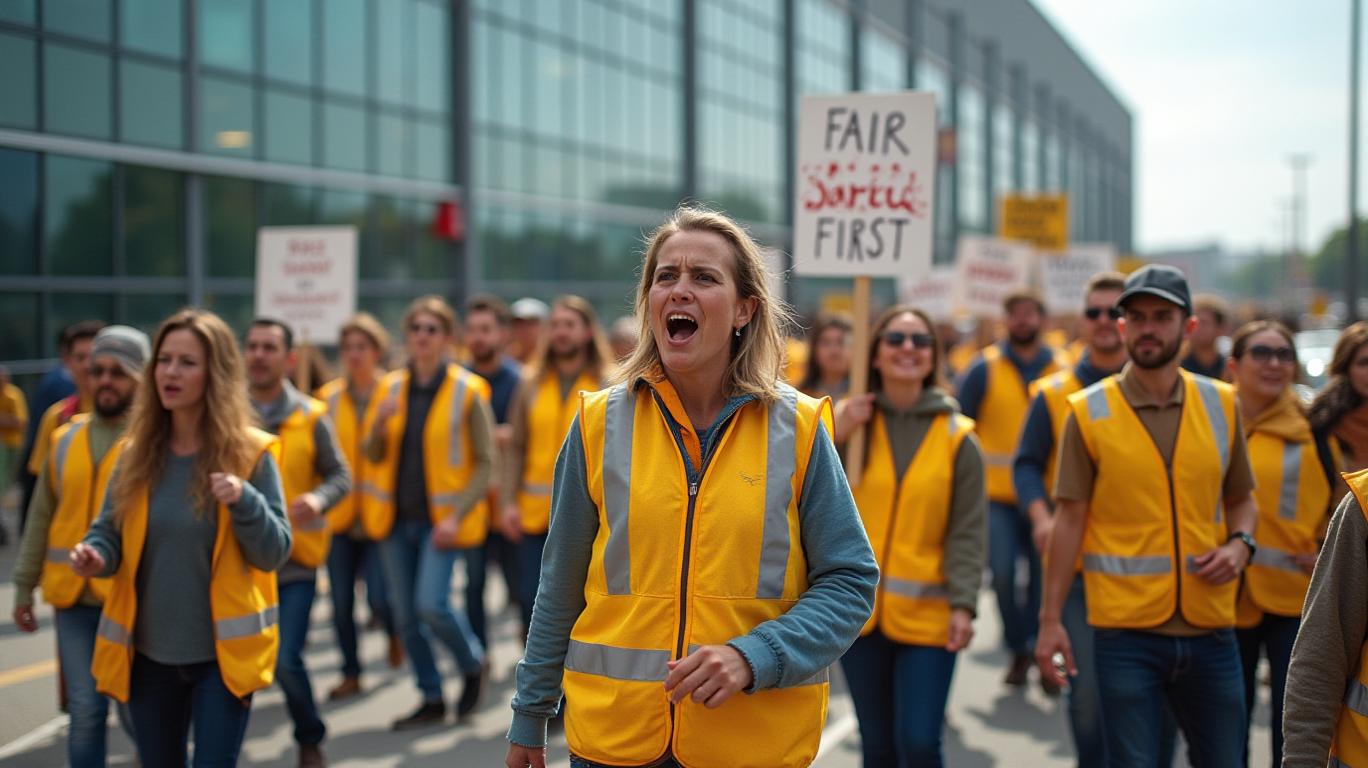
In conclusion, the unionization of Whole Foods employees in Philadelphia marks a significant shift in Amazon's labor relations strategy. As the company continues to grapple with growing unionization efforts among its workforce, it may need to reevaluate its approach to labor relations and engage more proactively with employee concerns. By doing so, Amazon can help ensure the long-term success and sustainability of its business, while also addressing the needs and priorities of its employees.
The recent vote by Whole Foods Market employees in Philadelphia to unionize has sparked a new chapter in Amazon's labor relations, as the e-commerce giant grapples with growing unionization efforts among its workforce. The vote, which saw 57% of ballots cast in favor of joining the United Food and Commercial Workers International Union (UFCW), marks the first successful unionization effort at an Amazon-owned grocery store since the company acquired Whole Foods in 2017.
The unionization effort at the Philadelphia Whole Foods store was driven by workers' desire for higher wages, more affordable health care coverage, child care support, greater work-life balance, and better working conditions. The successful vote is a testament to the growing power of organized labor in the face of Amazon's resistance to unionization efforts.
Amazon has a history of opposing unionization efforts among its workforce, including warehouse and delivery workers. The company has argued that its employees do not need unions, as they already enjoy competitive wages and benefits. However, the Whole Foods unionization vote suggests that Amazon's approach to labor relations may need to evolve in response to growing employee demands and the increasing influence of organized labor.
The unionization of Whole Foods employees could have significant implications for Amazon's broader approach to labor relations. The success of the Whole Foods unionization effort may embolden other Amazon workers to organize, potentially leading to more union victories across the company's various business units. Additionally, the unionization could impact Amazon's reputation and public image, as the company faces increased scrutiny from lawmakers, advocacy groups, and consumers over its labor practices.
In conclusion, the unionization of Whole Foods employees in Philadelphia marks a significant shift in Amazon's labor relations strategy. As the company continues to grapple with growing unionization efforts among its workforce, it may need to reevaluate its approach to labor relations and engage more proactively with employee concerns. By doing so, Amazon can help ensure the long-term success and sustainability of its business, while also addressing the needs and priorities of its employees.

Divulgación editorial y transparencia de la IA: Ainvest News utiliza tecnología avanzada de Modelos de Lenguaje Largo (LLM) para sintetizar y analizar datos de mercado en tiempo real. Para garantizar los más altos estándares de integridad, cada artículo se somete a un riguroso proceso de verificación con participación humana.
Mientras la IA asiste en el procesamiento de datos y la redacción inicial, un miembro editorial profesional de Ainvest revisa, verifica y aprueba de forma independiente todo el contenido para garantizar su precisión y cumplimiento con los estándares editoriales de Ainvest Fintech Inc. Esta supervisión humana está diseñada para mitigar las alucinaciones de la IA y garantizar el contexto financiero.
Advertencia sobre inversiones: Este contenido se proporciona únicamente con fines informativos y no constituye asesoramiento profesional de inversión, legal o financiero. Los mercados conllevan riesgos inherentes. Se recomienda a los usuarios que realicen una investigación independiente o consulten a un asesor financiero certificado antes de tomar cualquier decisión. Ainvest Fintech Inc. se exime de toda responsabilidad por las acciones tomadas con base en esta información. ¿Encontró un error? Reportar un problema




Comentarios
Aún no hay comentarios