
Food Safety Risk Management and Its Impact on Food Sector Equities: Evaluating Corporate Preparedness and Resilience in the Face of 2025 FDA Recalls
The food sector's vulnerability to safety crises has never been more pronounced. In 2025, the U.S. Food and Drug Administration reported a 25% surge in recalled food units compared to the previous year, driven by economic pressures and cost-cutting in quality control. High-profile recalls, such as those involving Blue Ridge Beef, Wicklow Gold Cheddar, and Dierbergs Kitchen, underscore the critical role of corporate preparedness in mitigating financial and reputational damage. This analysis evaluates how these companies responded to recalls, the broader implications for equity resilience, and the lessons for investors.
The 2025 Recall Landscape: A Test of Corporate Preparedness
The 2025 FDA recall data reveals a troubling trend: while the number of recall events declined, the volume of recalled products increased significantly. This suggests that companies may be producing larger batches with fewer safety checks, amplifying the scale of crises when they occur. For example, Blue Ridge Beef faced multiple recalls in early 2025, including 5,700 lbs. of Natural Mix pet food contaminated with and 1,080 lbs. of Kitten Mix and 1,380 lbs. of Puppy Mix contaminated with both Salmonella and Listeria monocytogenes. These incidents, triggered by customer complaints and state agency testing, highlight the importance of proactive monitoring systems.
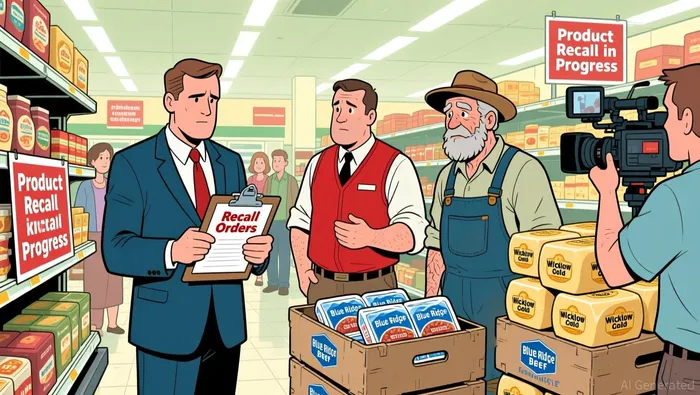
Wicklow Gold Cheddar's recall of two cheddar cheese variants due to Listeria contamination further illustrates the stakes. The supplier, Wicklow Farmhouse Cheese LTD, acted swiftly to notify Abbey Specialty Foods, which coordinated a recall across five states. While no illnesses were reported, the incident exposed gaps in supplier oversight and the need for real-time traceability systems.
Financial Resilience: The Hidden Costs of Recalls
The direct costs of food recalls are staggering. A 2025 report estimates that retrieving and disposing of contaminated products costs approximately $10 million per incident. For Blue Ridge Beef, this includes not only the recalled products but also potential lawsuits, regulatory fines, and long-term brand erosion. While specific stock price impacts for the companies in question remain undisclosed, historical precedents demonstrate the sector's sensitivity to safety crises.
Corporate resilience hinges on preparedness. Companies with robust traceability systems, such as blockchain-enabled supply chains, can isolate and remove contaminated products faster, reducing financial exposure. For instance, Wicklow Gold Cheddar's transparent communication-advising consumers to return products for refunds and providing contact details-helped mitigate reputational harm. Conversely, Blue Ridge Beef's repeated recalls suggest systemic weaknesses, raising concerns about its ability to maintain investor confidence.
Investor Implications: Prioritizing Preparedness Over Short-Term Gains
Investors must scrutinize food sector equities through the lens of risk management. Companies that invest in preventive measures-such as advanced quality control, supplier audits, and crisis response protocols-are better positioned to weather recalls. Dierbergs Kitchen's recall of wheat-allergen-containing mashed potatoes, for example, was managed with clear consumer guidance and refund policies. However, the absence of detailed financial resilience data for these companies underscores the need for greater transparency in corporate disclosures.
The 2025 recall trends also highlight the growing role of regulatory scrutiny. The FDA's emphasis on rapid response and public communication means that companies with opaque operations will face heightened penalties and investor skepticism. For instance, Blue Ridge Beef's failure to prevent multiple contamination events could signal inadequate governance, deterring long-term capital inflows.
Conclusion: A Call for Proactive Risk Mitigation
The 2025 FDA recalls serve as a wake-up call for the food sector. While the direct equity impacts of these specific incidents remain unclear, the broader financial and reputational risks are undeniable. Investors should prioritize companies that demonstrate:
1. Advanced traceability systems to swiftly identify and isolate contaminated products.
2. Transparent crisis protocols, including clear consumer communication and refund policies.
3. Supplier accountability, ensuring third-party partners adhere to stringent safety standards.
In an era where food safety breaches can trigger market volatility, preparedness is not just a regulatory requirement-it is a competitive advantage. As the sector navigates ongoing economic pressures, the ability to mitigate recall risks will define the resilience of food sector equities in the years ahead.







Comentarios
Aún no hay comentarios