
Fonterra's Record Payouts and the Booming New Zealand Dairy Sector: Investment Opportunities in Agri-Food Supply Chains Amid Farmer Reinvestment Cycles
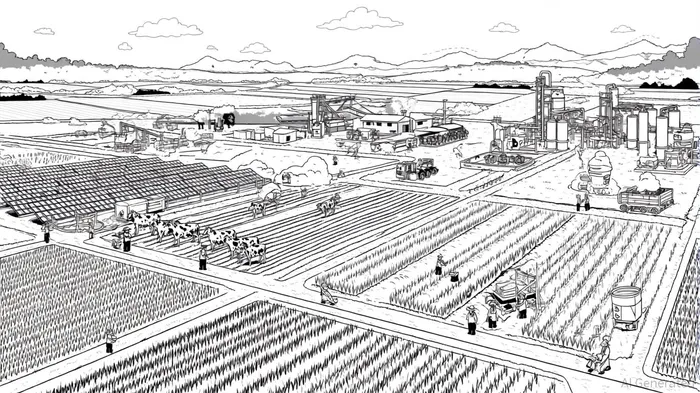
The New Zealand dairy sector is undergoing a transformative phase, driven by Fonterra's strategic repositioning and record payouts to farmers. As the world's largest dairy cooperative, Fonterra's recent decision to divest its consumer brands—such as Anchor, Mainland, and Anlene—to Lactalis for NZ$3.85 billion marks a pivotal shift toward high-value B2B dairy nutrition markets[3]. This move, coupled with robust financial performance in fiscal year 2025, has unlocked capital for dairy farmers to reinvest in agri-food supply chains, creating a fertile ground for innovation and investment opportunities.
Strategic Rebalancing: From Consumer Brands to B2B Nutrition
Fonterra's pivot to B2B ingredients and food service segments is rooted in the superior returns generated by these markets compared to its consumer brand operations, which reported a $164 million after-tax loss in 2023[5]. By focusing on dairy nutrition and protein markets, Fonterra aims to capitalize on global demand for functional ingredients in food manufacturing, healthcare, and sports nutrition. The divestiture of its consumer unit, expected to conclude by mid-2026, will free up capital for farmer shareholders while streamlining operations[4].
This strategic shift has already translated into financial gains for farmers. Fonterra's 2025/26 Farmgate Milk Price framework, announced alongside strong FY25 earnings, signals a commitment to rewarding farmer owners[1]. While specific Q3 2025 payout figures remain undisclosed, industry analysts project payouts to reach NZ$9.50–NZ$10.50 per kg of milk solids for the year to May 30, 2025[2]. These returns are not merely distributed as income but are increasingly being reinvested into the agri-food ecosystem.
Farmer Reinvestment: A Catalyst for Supply Chain Innovation
New Zealand dairy farmers are leveraging Fonterra payouts to modernize their operations and strengthen supply chain resilience. According to a report by Fonterra, reinvestment strategies include adopting precision agriculture tools, such as IoT-enabled herd monitoring systems and AI-driven yield optimization platforms[1]. These technologies reduce input costs, enhance productivity, and align with global sustainability trends, making New Zealand dairy more competitive in export markets.
Renewable energy projects are another key focus area. Farmers are investing in solar-powered milking infrastructure and biogas systems to cut emissions and lower energy costs[2]. Such initiatives not only support Fonterra's sustainability-linked payout criteria but also position New Zealand as a leader in low-carbon dairy production. Additionally, partnerships with processors and logistics providers are streamlining value chains, reducing waste, and improving traceability through blockchain-based systems[3].
Investment Opportunities in Agri-Food Supply Chains
The reinvestment cycle is unlocking actionable opportunities across three domains:
- Agri-Tech Integration: Startups offering precision farming solutions, robotic milking systems, and data analytics platforms are attracting capital. For instance, companies specializing in real-time nutrient management tools are gaining traction as farmers seek to optimize inputs[1].
- Supply Chain Diversification: With trade uncertainties persisting, farmers are exploring alternative export markets in Southeast Asia and the Middle East. This trend is driving demand for cold-chain infrastructure and cross-border logistics partnerships[3].
- Sustainable Infrastructure: Investments in renewable energy, carbon capture, and circular economy models are gaining momentum. Fonterra's sustainability-linked payouts incentivize farmers to adopt practices that reduce environmental footprints, creating a dual return on investment through both financial and ecological gains[2].
Conclusion: A Win-Win for Farmers and Investors
Fonterra's strategic rebalancing and the subsequent reinvestment by farmers are reshaping New Zealand's dairy sector into a high-value, sustainable industry. For investors, this transition offers exposure to a resilient agri-food supply chain, where innovation and environmental stewardship drive long-term value. As Fonterra CEO Miles Hurrell noted, the cooperative's streamlined focus on B2B nutrition positions it to thrive in a protein-hungry world[1]. For farmers, the reinvestment cycle ensures that payouts are not just a reward but a springboard for future growth.
In this evolving landscape, the intersection of Fonterra's payouts and farmer-led reinvestment presents a compelling case for those seeking to capitalize on the next frontier of agricultural innovation.







Comentarios
Aún no hay comentarios