
Fluence Energy Faces Investor Backlash: Class Action Lawsuit Highlights Risks in Energy Storage Sector
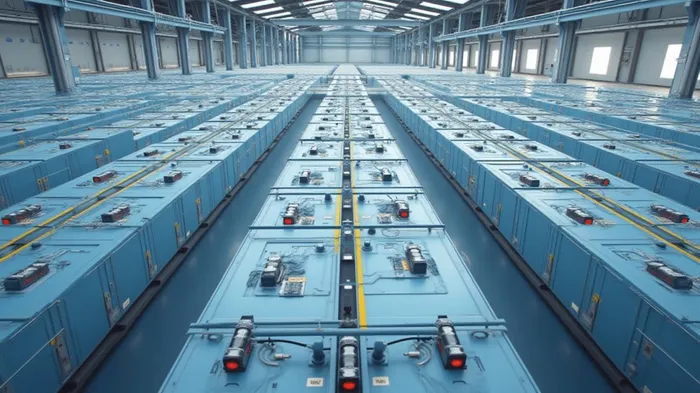
Fluence Energy, Inc. (NASDAQ: FLNC), a leading player in the global energy storage market, is under fire following a class action lawsuit filed by Levi & Korsinsky, LLP, which accuses the company of securities fraud. The lawsuit, which names Fluence’s executives as defendants, alleges that the company misled investors by concealing deteriorating relationships with key partners and overstating financial performance. As the May 12, 2025 deadline for lead plaintiff applications approaches, the case raises critical questions about corporate transparency in the energy transition sector and the risks investors face in high-growth industries.
Background on Fluence Energy
Fluence, a joint venture between Siemens Energy and AES Corporation, specializes in battery energy storage systems (BESS) for utilities and industrial clients. Its technology aims to stabilize grids and integrate renewable energy sources, positioning it as a beneficiary of global decarbonization efforts. However, the lawsuit alleges that the company’s reliance on its founders—Siemens AG and AES—created vulnerabilities that Fluence failed to disclose.
Key Allegations in the Lawsuit
The lawsuit, filed in 2025, asserts four primary claims:
Declining Partnerships: Fluence allegedly concealed weakening ties with Siemens AG and AES, which accounted for a significant portion of its revenue. The complaint highlights internal disputes over engineering failures and fraud accusations from Siemens Energy, a U.S. affiliate of Siemens AG.
Overstated Financials: The company is accused of inflating margins and revenue growth by downplaying the withdrawal of Siemens and AES from joint projects. This misrepresentation allegedly led to an artificially high stock price during the class periods.
Fraudulent Optimism: Despite the deteriorating partnerships and external accusations, Fluence’s executives allegedly made overly optimistic statements about its business prospects, lacking a reasonable basis in fact.
Silence on Critical Issues: The lawsuit claims Fluence failed to disclose Siemens Energy’s formal accusations of engineering failures, which directly impacted the company’s credibility and financial stability.
Class Periods and Investor Impact
The lawsuit defines two overlapping class periods:
- First Class Period: October 28, 2021, to February 10, 2025.
- Second Class Period: November 29, 2023, to February 10, 2025.
During these periods, investors were allegedly misled into purchasing or holding Fluence stock at inflated prices. Once the truth about the company’s vulnerabilities became public, the stock price collapsed, resulting in significant losses.
Legal and Investor Implications
The case hinges on whether Fluence’s statements were materially misleading and whether executives acted with the requisite intent to defraud. Levi & Korsinsky, LLP, known for securing hundreds of millions in settlements for shareholders, argues that the company’s omissions created a “fraudulent market” that artificially inflated its valuation.
Investors holding FLNC shares during the class periods may qualify for compensation if the lawsuit succeeds. However, the outcome depends on the court’s assessment of evidence, including internal communications and financial disclosures. Notably, the firm’s lead plaintiff deadline (May 12, 2025) is critical for investors seeking to influence the case’s direction.
Conclusion: A Cautionary Tale for Energy Investors
The Fluence lawsuit underscores the risks of investing in companies at the intersection of rapid technological innovation and complex corporate relationships. The energy storage sector, while pivotal to global decarbonization, is also fraught with execution risks, supply chain dependencies, and partnership dynamics that can destabilize even well-positioned firms.
Financially, Fluence’s stock performance during the class period—marked by volatility and a sharp decline in early 2025—aligns with the allegations of inflated valuations. If the lawsuit succeeds, it could set a precedent for investors to demand clearer disclosures from companies reliant on strategic partners.
For now, the case serves as a reminder that even in high-growth sectors, due diligence remains essential. Investors should scrutinize corporate partnerships, financial reporting practices, and the credibility of management narratives—especially in industries where technological promises often outpace proven results. The outcome of this litigation will not only affect Fluence shareholders but also shape investor expectations for transparency in the energy transition era.





Comentarios
Aún no hay comentarios