
The Flow Network Exploit and Its Implications for NFT Lending Markets
The Flow Network exploit of late 2025, which saw $3.9 million in illicitly minted tokens-including FLOW, wrapped BitcoinWBTC-- (WBTC), wrapped EthereumETH-- (WETH), and stablecoins-triggered a seismic shift in the DeFi-NFT landscape. This event not only exposed critical vulnerabilities in blockchain security but also underscored the fragility of NFT lending markets and liquidity systems. As the DeFi-NFT ecosystem grapples with systemic risks and recovery mechanisms, the Flow incident serves as a cautionary tale and a catalyst for innovation.
The Exploit and Initial Response: A Test of Principles
The exploit exploited a vulnerability in Flow's execution layer, enabling an attacker to siphon assets through cross-chain bridges like CelerCELR-- and Stargate before validators initiated a network halt. The immediate fallout included a 40% drop in FLOW's price and exchanges like Upbit and Bithumb restricting transactions, amplifying market panic. The Flow Foundation's initial proposal to roll back the blockchain to reverse the exploit sparked intense backlash. Critics argued that such a move compromised the immutability and decentralization principles underpinning blockchain technology.
In response, the foundation pivoted to an "isolated recovery" strategy, which targeted only the fraudulent accounts while preserving the majority of the network's transaction history. This approach involved temporary account restrictions, forensic verification of illicit tokens, and their transparent on-chain burning. Dapper Labs, a key ecosystem builder, endorsed the strategy for its balance between safety and operational urgency. The DeFi-NFT community, initially wary of the rollback plan, ultimately supported the isolated recovery for its lower centralization risk and commitment to transparency.
Systemic Risks in NFT Lending Markets
The Flow exploit exacerbated pre-existing vulnerabilities in NFT lending platforms, which were already in a state of contraction. By mid-2025, lending volume had plummeted from nearly $1 billion in early 2024 to just $50 million, reflecting broader market pessimism. The liquidity crunch worsened as exchanges suspended FLOW transactions, tightening market depth and increasing sell pressure. This volatility directly impacted platforms reliant on stablecoin collateral and tokenized assets, destabilizing lending operations.
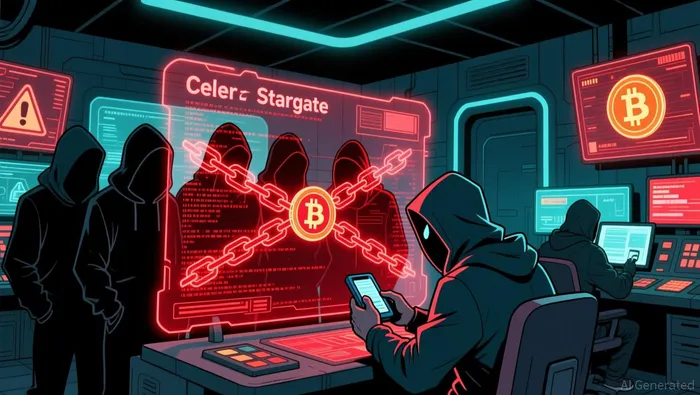
The incident also highlighted systemic risks in cross-chain infrastructure. The attacker leveraged multiple bridges to move assets off-network, exposing weaknesses in execution logic, bridge security, and infrastructure coordination. December 2025 saw a wave of security failures, including the Trust Wallet Chrome extension exploit and Yearn FinanceYFI-- vulnerabilities, which collectively demonstrated the fragility of the crypto ecosystem. These events emphasized the need for robust on-chain surveillance, multisignature wallets, and rigorous audits to prevent future exploits.
Recovery Mechanisms and Mitigation Strategies
Post-2025 case studies emphasize the importance of securing the full DeFi-NFT ecosystem, not just smart contracts. Best practices include multi-factor authentication, hardware security modules, and the use of multi-sig and cold wallets for key assets. Only 19% of hacked protocols in 2024 used multi-sig wallets, and just 2.4% employed cold storage, underscoring the urgency of adoption.
Innovations in risk management include AI-driven threat detection and automated monitoring tools to enhance transparency. For smart contract vulnerabilities-such as reentrancy and faulty input verification-secure-by-design practices and diversified storage solutions are critical. Regulatory frameworks like the EU's MiCA and the U.S. GENIUS Act are also playing a role in setting clearer guidelines for stablecoins and AML/KYC enforcement.
Broader Implications for DeFi-NFT Ecosystems
The Flow exploit and December 2025 security failures have accelerated the maturation of DeFi-NFT systems. Stablecoins have emerged as foundational infrastructure, maintaining liquidity during network downtimes. However, the concentration of value capture among dominant protocols highlights the fragility of decentralized governance.
Looking ahead, the DeFi-NFT space must prioritize structured financial designs, cross-chain coordination, and community-driven governance. The Flow incident underscores that systemic risks are not isolated to one protocol but are inherent in the interconnectedness of the ecosystem. As the industry evolves, robust recovery mechanisms and proactive risk mitigation will be essential to restoring investor confidence and ensuring long-term resilience.






Comentarios
Aún no hay comentarios