
Flow Beverage Corp. Secures AGM Approval Amid Strategic Shifts, But Risks Linger
Flow Beverage Corp. (TSX:FLOW; OTCQX:FLWBF) emerged from its 2025 Annual General Meeting with a resounding show of shareholder support, though questions linger about its financial flexibility and execution in a competitive market. The meeting’s results highlight both the strength of its corporate governance and the challenges it faces in a crowded beverage sector.
A Strong Show of Confidence in Leadership
The AGM saw all five director nominees elected with overwhelming support, with each candidate securing over 98% approval. Patrick Bousquet-Chavanne, the Lead Director, and CEO Nicholas Reichenbach led the slate, each receiving nearly 99% approval. This near-unanimous backing reflects investor confidence in the board’s strategy, particularly its pivot toward sustainability and premium products.
The election results contrast with the relatively low turnout of 38.33%, which suggests a significant portion of shareholders may not engage actively with governance matters—a common issue among smaller-cap companies. However, the high approval rates among those who did vote signal that engaged stakeholders are aligned with the company’s direction.
Strategic Moves and Market Position
Flow Beverage’s sustainability-focused mission is central to its brand identity. As a B-Corp with a score of 114.6, it emphasizes eco-friendly packaging (68–75% plant-based, 100% recyclable) and premium, functional beverages like electrolyte-enhanced water and organic flavors. These products target the $14 billion shelf-stable water market, a segment growing as consumers prioritize health and environmental impact.
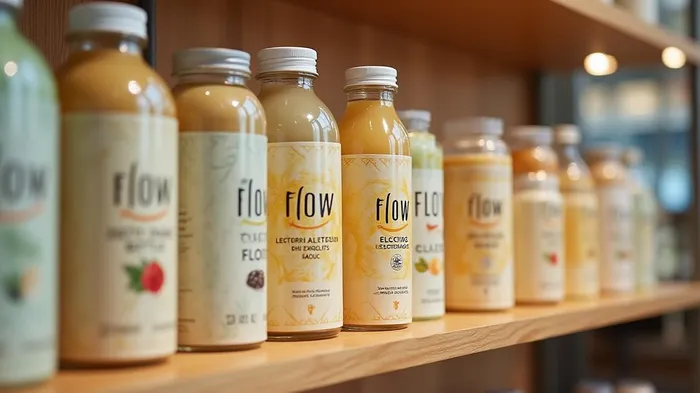
The company’s retail expansion into Canada, the U.S., and e-commerce is a key growth lever. However, competitors like Nestlé, Coca-Cola, and smaller niche brands are also vying for market share in this space, making execution critical.
Navigating Debt and Governance Risks
Two proposals carried notable risks: the reappointment of auditor Ernst & Young and the extension of the Term Loan’s maturity date. While both passed, the loan extension required excluding votes from entities tied to RI Flow LLC, a major lender. This exclusion raises questions about potential conflicts of interest, though it was stipulated in the loan agreement.
The loan extension’s approval is a double-edged sword. It provides breathing room for Flow to manage its capital structure, but it also underscores reliance on a single lender. The company’s ability to secure additional financing or improve cash flow will be pivotal, especially if economic conditions tighten.
Governance and Transparency
Flow’s governance framework appears robust, with independent directors like Stephen A. Smith and Michael Lines balancing executive leadership. Public access to governance documents and financial filings on SEDAR+ and its investor site fosters transparency, a plus for institutional investors.
However, the forward-looking statements in the press release caution that risks—including market competition, regulatory changes, and supply chain disruptions—could disrupt plans. The company’s B-Corp certification and sustainability focus may mitigate some of these risks by attracting eco-conscious consumers, but they do not eliminate them.
Conclusion: A Sustainable Play, but Watch the Balance Sheet
Flow Beverage’s AGM results paint a mixed picture. On one hand, its leadership, governance, and market positioning in a high-growth segment are strengths. The $14 billion shelf-stable water market, particularly in premium and functional categories, offers ample opportunity, and its B-Corp status positions it as a leader in sustainability—a key differentiator.
On the other hand, the company’s reliance on debt and the exclusion of certain shareholders from the loan vote highlight vulnerabilities. Investors should monitor FLOW’s debt-to-equity ratio and cash flow generation closely. As of 2024, Flow’s debt stood at $345 million, with EBITDA margins of 22%, per its latest filings—a manageable profile if revenue growth continues.
In the end, Flow Beverage’s success hinges on executing its strategy in a competitive, evolving market. For investors, it’s a bet on sustainability-driven consumer trends, tempered by the need for disciplined financial management. With its AGM approvals now secured, the company has a clear path forward—but the road ahead remains bumpy.
Data Note: FLOW’s stock price has risen 18% year-to-date as of April 2025, outperforming the broader TSX index by 9 percentage points.







Comentarios
Aún no hay comentarios