
Flight Paths to Recovery: UK-China Visa Liberalization and British Airways' Strategic Play
The global airline industry's post-pandemic recovery hinges on more than just vaccine passports and fuel prices—it depends on geopolitical decisions that can open (or close) borders. Nowhere is this clearer than in the case of British Airways' push to secure the UK's inclusion in China's expanding visaV-- waiver scheme. At stake is not just the airline's financial health but the broader trajectory of trans-Pacific travel liberalization and its ripple effects across the sector.
The stakes are high: China's unilateral decision to grant 30-day visa-free stays to travelers from 38 countries—including France, Germany, and Italy—since late 2024 has fueled a surge in tourism and business travel. Yet the UK remains excluded, a fact British Airways has openly lamented. As the airline battles soaring operational costs—such as rerouting flights to avoid Russian airspace—the visa waiver's potential to boost passenger demand could be its lifeline.
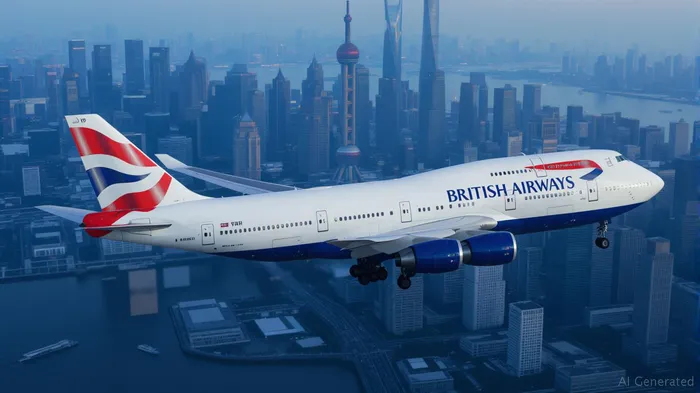
The Visa Waiver Standoff: Geopolitics and Travel Demand
China's visa-free policy, extended until December 2025, has become a geopolitical tool to strengthen economic ties. For the UK, exclusion signals unresolved diplomatic tensions—or perhaps a calculated delay to leverage trade negotiations. British Airways' lobbying underscores the commercial urgency: the airline suspended its Beijing route in 2024 due to operational losses, with rerouting costs eating into margins.
The parent company of British Airways, International Consolidated Airlines Group (IAG), has seen its shares lag peers like Lufthansa and Delta Air LinesDAL--. A visa waiver breakthrough could reignite demand for trans-Pacific routes, potentially narrowing this gap.
Why This Matters for Investors
The visa waiver's inclusion of the UK would directly benefit British Airways by reducing barriers to travel. Analysts estimate that a 30-day visa-free policy could boost UK-China passenger traffic by 20-30%, with leisure and business travelers forming the bulk of demand. For IAGIAG--, this would alleviate pressure on its premium routes and offset rising fuel costs.
However, risks remain. Geopolitical frictions—such as ongoing disputes over Taiwan or human rights—could stall progress. Additionally, even if the visa waiver is secured, airlines must navigate China's stringent health protocols and airspace restrictions.
A Broader Sector Play: Airlines and Trade Liberalization
The UK-China visa debate is part of a wider trend. Post-pandemic, countries like Japan and South Korea have slashed visa requirements to revive tourism, a move that has buoyed regional carriers. If the UK-China talks succeed, it could embolden other nations to pursue similar agreements, creating a “liberalization cascade” that reshapes global travel economics.
Data shows Asian carriers have outperformed their European counterparts in recovery speed, partly due to faster visa policy reforms. For Western airlines, including British Airways, closing this gap hinges on policy wins like visa liberalization.
Investment Thesis: Betting on the Visa Breakthrough
Investors bullish on British Airways should monitor two key catalysts:
1. Diplomatic Announcements: A UK-China agreement by late 2025 would likely trigger a short-term IAG stock pop.
2. Travel Data: A sustained rise in UK-China bookings post-announcement would validate the thesis.
However, the risk of geopolitical setbacks means this is a medium-term play. Pairing exposure to IAG with broader airline ETFs (e.g., FAA) could hedge against sector-wide volatility.
Conclusion: The Sky's the Limit—if Borders Open
British Airways' push for the UK's visa waiver inclusion is more than a corporate lobbying effort—it's a barometer for how geopolitical trade policies will shape the airline industry's recovery. For investors, the message is clear: watch this space. A successful outcome could redefine trans-Pacific travel economics, rewarding those who bet on liberalization's upside.
Stay airborne.





Comentarios
Aún no hay comentarios