
Fire-ravaged Los Angeles Braces for Toxic Rain Runoff
Generado por agente de IAHarrison Brooks
domingo, 26 de enero de 2025, 12:06 pm ET1 min de lectura
RAIN--
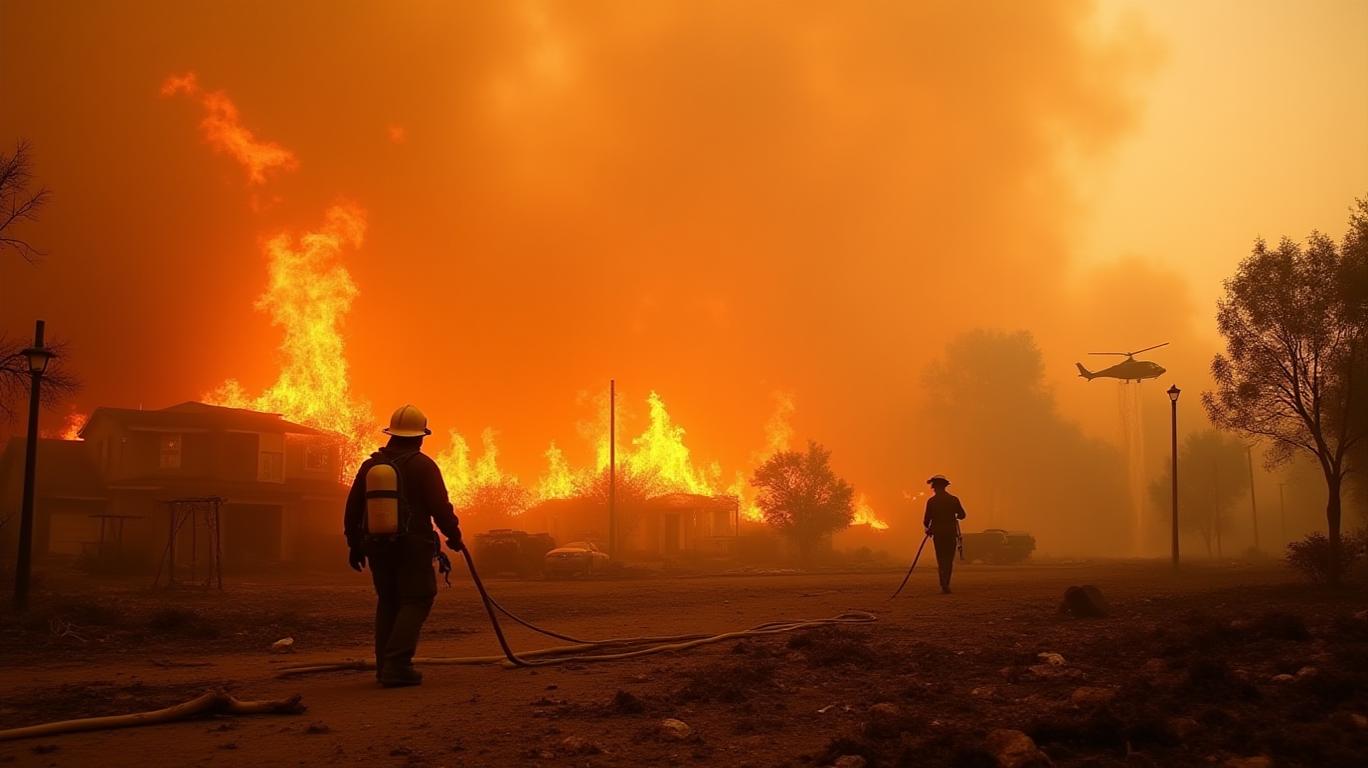
The recent wildfires in Los Angeles have left the city bracing for another environmental challenge: toxic rain runoff. As the fires have devastated large swaths of the region, they have also scorched the earth, leaving behind a layer of ash and other contaminants that could be washed into local waterways and neighborhoods during the upcoming rainy season.
The potential for toxic rain runoff is a significant concern for local authorities and residents alike. The fires have burned through numerous industrial sites, including chemical plants and refineries, which could release hazardous materials into the environment. Additionally, the fires have destroyed thousands of homes and businesses, leaving behind a vast expanse of charred debris that could be carried by rainwater into local waterways and eventually into the ocean.
To mitigate the risk of toxic rain runoff, local authorities are taking several steps. They are working with environmental agencies to identify areas at high risk for runoff and to develop strategies to contain and treat the contaminated water. Additionally, they are coordinating with local businesses and homeowners to ensure that any hazardous materials on their properties are properly contained and disposed of.
However, the scale of the challenge is daunting. The fires have burned through more than 15,000 structures, many of which were homes. The loss of these homes has exacerbated an already tight housing market, driving up rental prices and creating a ripple effect that could have long-term consequences for the region's economy.
Moreover, the insurance market is also feeling the strain of the wildfires. Insurance claims filed as a result of property destruction are projected to reach incredibly high numbers, prompting insurance companies to reevaluate risk assessments for properties. This results in higher premiums for homeowners, making it increasingly unaffordable for many, and a limited number of policies available in high-risk areas, causing further financial strain.
In conclusion, the recent wildfires in Los Angeles have left the city facing a significant environmental challenge in the form of toxic rain runoff. While local authorities are taking steps to mitigate the risk, the scale of the challenge is daunting. The loss of homes and the strain on the insurance market are just two of the many long-term consequences that the region will have to grapple with in the aftermath of the fires.
The recent wildfires in Los Angeles have left the city bracing for another environmental challenge: toxic rain runoff. As the fires have devastated large swaths of the region, they have also scorched the earth, leaving behind a layer of ash and other contaminants that could be washed into local waterways and neighborhoods during the upcoming rainy season.
The potential for toxic rain runoff is a significant concern for local authorities and residents alike. The fires have burned through numerous industrial sites, including chemical plants and refineries, which could release hazardous materials into the environment. Additionally, the fires have destroyed thousands of homes and businesses, leaving behind a vast expanse of charred debris that could be carried by rainwater into local waterways and eventually into the ocean.
To mitigate the risk of toxic rain runoff, local authorities are taking several steps. They are working with environmental agencies to identify areas at high risk for runoff and to develop strategies to contain and treat the contaminated water. Additionally, they are coordinating with local businesses and homeowners to ensure that any hazardous materials on their properties are properly contained and disposed of.
However, the scale of the challenge is daunting. The fires have burned through more than 15,000 structures, many of which were homes. The loss of these homes has exacerbated an already tight housing market, driving up rental prices and creating a ripple effect that could have long-term consequences for the region's economy.
Moreover, the insurance market is also feeling the strain of the wildfires. Insurance claims filed as a result of property destruction are projected to reach incredibly high numbers, prompting insurance companies to reevaluate risk assessments for properties. This results in higher premiums for homeowners, making it increasingly unaffordable for many, and a limited number of policies available in high-risk areas, causing further financial strain.
In conclusion, the recent wildfires in Los Angeles have left the city facing a significant environmental challenge in the form of toxic rain runoff. While local authorities are taking steps to mitigate the risk, the scale of the challenge is daunting. The loss of homes and the strain on the insurance market are just two of the many long-term consequences that the region will have to grapple with in the aftermath of the fires.

Divulgación editorial y transparencia de la IA: Ainvest News utiliza tecnología avanzada de Modelos de Lenguaje Largo (LLM) para sintetizar y analizar datos de mercado en tiempo real. Para garantizar los más altos estándares de integridad, cada artículo se somete a un riguroso proceso de verificación con participación humana.
Mientras la IA asiste en el procesamiento de datos y la redacción inicial, un miembro editorial profesional de Ainvest revisa, verifica y aprueba de forma independiente todo el contenido para garantizar su precisión y cumplimiento con los estándares editoriales de Ainvest Fintech Inc. Esta supervisión humana está diseñada para mitigar las alucinaciones de la IA y garantizar el contexto financiero.
Advertencia sobre inversiones: Este contenido se proporciona únicamente con fines informativos y no constituye asesoramiento profesional de inversión, legal o financiero. Los mercados conllevan riesgos inherentes. Se recomienda a los usuarios que realicen una investigación independiente o consulten a un asesor financiero certificado antes de tomar cualquier decisión. Ainvest Fintech Inc. se exime de toda responsabilidad por las acciones tomadas con base en esta información. ¿Encontró un error? Reportar un problema


SOBRE NOSOTROS
Nuestra historiaAutores de noticiasBase de conocimientosPolítica de privacidadTérmino de usoDescargo de responsabilidad de corretaje de tercerosTérminos de uso de AIMEDivulgaciones de riesgos de AInvest AICarrerasCONTÁCTENOS
Email: support@ainvest.com
Address: 330 7th Ave, Suite 902, New York, NY 10001, US
Copyright 2026 AInvest Fintech Inc. All rights reserved.


Comentarios
Aún no hay comentarios