
Financial Firms Hated US Consumer Watchdog, But Rapid Unraveling Creates Limbo
Generado por agente de IAHarrison Brooks
jueves, 13 de febrero de 2025, 6:16 am ET1 min de lectura
FISI--
The Consumer Financial Protection Bureau (CFPB), established in the wake of the 2008 financial crisis, has been a thorn in the side of many financial firms. However, the Trump administration's abrupt dismantling of the agency has left the consumer protection landscape in limbo, with potential consequences for both consumers and the financial services industry.
The CFPB, led by former director Richard Cordray, was known for its aggressive enforcement actions against financial institutions, including banks, credit card companies, and payday lenders. The agency's work included investigating and prosecuting cases of fraud, deception, and predatory lending practices. Despite the industry's complaints, the CFPB's efforts have resulted in billions of dollars in refunds and penalties for consumers.
However, the Trump administration's decision to halt the CFPB's work and question its existence has left a regulatory void. This sudden halt has raised concerns about the potential for predatory practices to go unchecked, as well as the lack of a venue for consumers to file complaints about their providers.
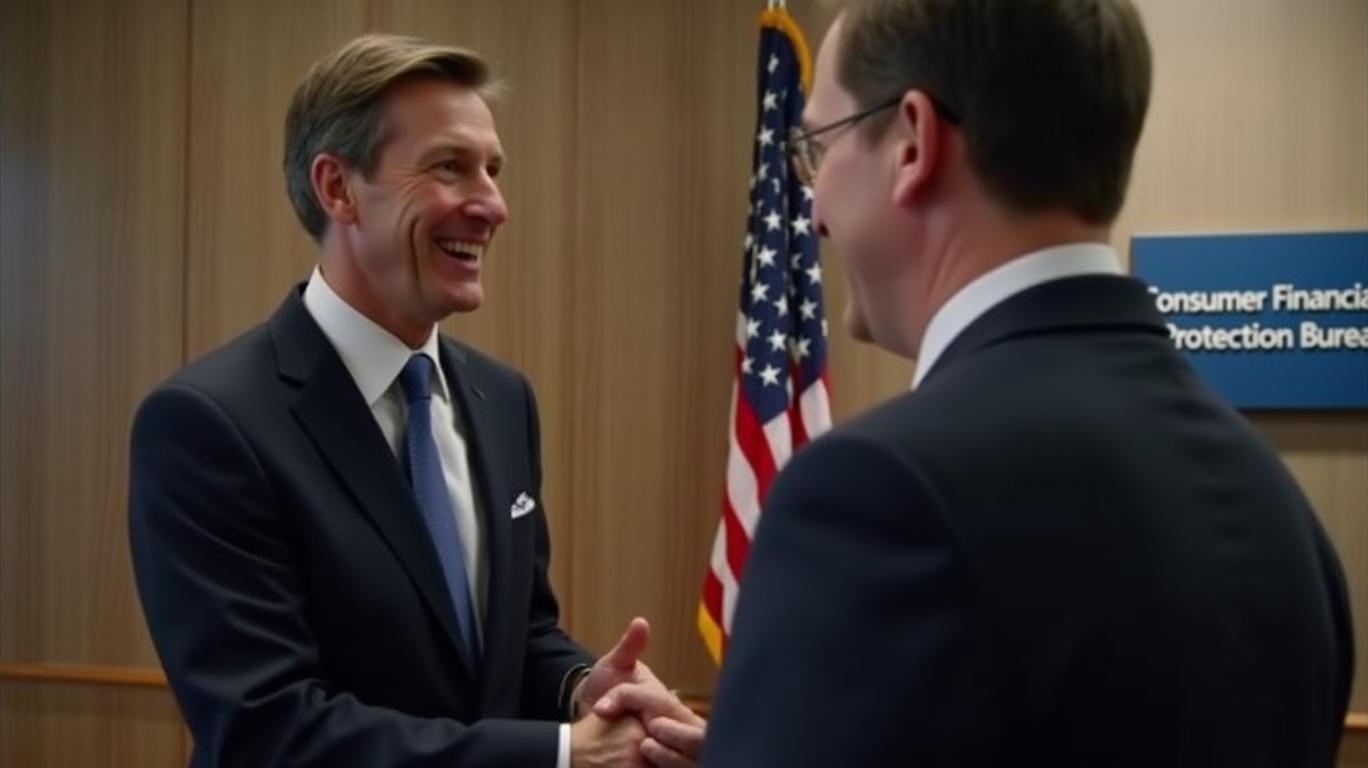
The absence of the CFPB has also led to a patchwork of state regulators stepping in to fill the void. While this may provide some level of consumer protection, it could also lead to increased complexity and burden for financial institutions, as they navigate different rules and requirements across states. Additionally, the lack of a centralized federal agency could result in inconsistent enforcement and create uncertainty for both consumers and financial institutions.
The lack of a central venue for consumer complaints could also have significant implications for both consumers and the financial services industry. Without the CFPB, consumers may be more vulnerable to predatory practices and have fewer avenues to seek recourse when they feel they've been wronged. This could lead to increased consumer vulnerability and reduced transparency and accountability in the financial services industry.
In conclusion, the Trump administration's rapid dismantling of the CFPB has created a regulatory limbo that could have significant consequences for both consumers and the financial services industry. While the CFPB was not without its critics, its absence has raised concerns about the potential for predatory practices to go unchecked and the lack of a central venue for consumer complaints. As the regulatory landscape continues to evolve, it will be important for policymakers to consider the potential impacts of their decisions on both consumers and the financial services industry.
The Consumer Financial Protection Bureau (CFPB), established in the wake of the 2008 financial crisis, has been a thorn in the side of many financial firms. However, the Trump administration's abrupt dismantling of the agency has left the consumer protection landscape in limbo, with potential consequences for both consumers and the financial services industry.
The CFPB, led by former director Richard Cordray, was known for its aggressive enforcement actions against financial institutions, including banks, credit card companies, and payday lenders. The agency's work included investigating and prosecuting cases of fraud, deception, and predatory lending practices. Despite the industry's complaints, the CFPB's efforts have resulted in billions of dollars in refunds and penalties for consumers.
However, the Trump administration's decision to halt the CFPB's work and question its existence has left a regulatory void. This sudden halt has raised concerns about the potential for predatory practices to go unchecked, as well as the lack of a venue for consumers to file complaints about their providers.
The absence of the CFPB has also led to a patchwork of state regulators stepping in to fill the void. While this may provide some level of consumer protection, it could also lead to increased complexity and burden for financial institutions, as they navigate different rules and requirements across states. Additionally, the lack of a centralized federal agency could result in inconsistent enforcement and create uncertainty for both consumers and financial institutions.
The lack of a central venue for consumer complaints could also have significant implications for both consumers and the financial services industry. Without the CFPB, consumers may be more vulnerable to predatory practices and have fewer avenues to seek recourse when they feel they've been wronged. This could lead to increased consumer vulnerability and reduced transparency and accountability in the financial services industry.
In conclusion, the Trump administration's rapid dismantling of the CFPB has created a regulatory limbo that could have significant consequences for both consumers and the financial services industry. While the CFPB was not without its critics, its absence has raised concerns about the potential for predatory practices to go unchecked and the lack of a central venue for consumer complaints. As the regulatory landscape continues to evolve, it will be important for policymakers to consider the potential impacts of their decisions on both consumers and the financial services industry.

Divulgación editorial y transparencia de la IA: Ainvest News utiliza tecnología avanzada de Modelos de Lenguaje Largo (LLM) para sintetizar y analizar datos de mercado en tiempo real. Para garantizar los más altos estándares de integridad, cada artículo se somete a un riguroso proceso de verificación con participación humana.
Mientras la IA asiste en el procesamiento de datos y la redacción inicial, un miembro editorial profesional de Ainvest revisa, verifica y aprueba de forma independiente todo el contenido para garantizar su precisión y cumplimiento con los estándares editoriales de Ainvest Fintech Inc. Esta supervisión humana está diseñada para mitigar las alucinaciones de la IA y garantizar el contexto financiero.
Advertencia sobre inversiones: Este contenido se proporciona únicamente con fines informativos y no constituye asesoramiento profesional de inversión, legal o financiero. Los mercados conllevan riesgos inherentes. Se recomienda a los usuarios que realicen una investigación independiente o consulten a un asesor financiero certificado antes de tomar cualquier decisión. Ainvest Fintech Inc. se exime de toda responsabilidad por las acciones tomadas con base en esta información. ¿Encontró un error? Reportar un problema


SOBRE NOSOTROS
Nuestra historiaAutores de noticiasBase de conocimientosPolítica de privacidadTérmino de usoDescargo de responsabilidad de corretaje de tercerosTérminos de uso de AIMEDivulgaciones de riesgos de AInvest AICarrerasCONTÁCTENOS
Email: support@ainvest.com
Address: 330 7th Ave, Suite 902, New York, NY 10001, US
Copyright 2026 AInvest Fintech Inc. All rights reserved.


Comentarios
Aún no hay comentarios