
The Filipino-American Diaspora and Its Growing Economic Influence in the U.S.: A Hidden Opportunity in Houston
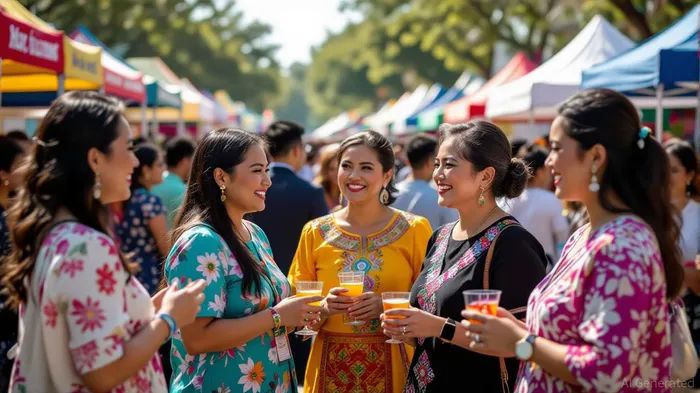
The Filipino-American diaspora, often overlooked in mainstream economic analyses, is emerging as a powerful force in the U.S. economy. With 4.6 million individuals identifying as Filipino in 2023—making them the third-largest Asian-origin population—their influence spans sectors from healthcare to entrepreneurship. Nowhere is this potential more pronounced than in Houston, a city where demographic trends and cultural integration are creating a fertile ground for investment opportunities[1].
Demographic Foundations: A Growing Presence in Houston
Houston's immigrant population, numbering nearly 1.7 million in 2023, includes 22% who identify as Asian or Pacific Islander[2]. While precise figures for Filipino Americans in the region remain underreported, national data reveals that they constitute the largest subgroup of Asian Americans in Texas[3]. This growing population is not merely a statistical footnote; it represents a dynamic demographic with high educational attainment (50% of adults aged 25+ hold a bachelor's degree or higher) and median household incomes exceeding the national average[1].
The concentration of Filipino Americans in Houston aligns with broader patterns of migration driven by economic opportunity and community networks. Their presence is particularly notable in healthcare, where Filipino nurses have historically addressed staffing shortages and redefined standards of care. Since the 1970s, these professionals have become indispensable in critical care units and underserved areas, contributing to Houston's reputation as a medical hub[4].
Economic Integration: Healthcare and Entrepreneurship
The healthcare sector offers a prime example of Filipino-American economic integration. Filipino nurses in Houston have not only filled critical roles but also established mentorship programs and advocacy groups that enhance workforce stability. This expertise extends beyond clinical settings: Filipino-American entrepreneurs are increasingly leveraging their cultural capital to innovate in consumer sectors. For instance, the Filipino Young Professionals of Houston (FYP Houston), a 501(c)(3) nonprofit, fosters entrepreneurship through events like the annual Houston Filipino Street Festival, which draws thousands and showcases local businesses[4].
In the consumer sector, Filipino-American cultural infrastructure—such as community organizations and festivals—drives demand for niche products and services. The Houston Filipino Street Festival, for example, generates revenue for small businesses while reinforcing cultural identity. These events also serve as platforms for cross-cultural collaboration, attracting broader audiences and amplifying economic ripple effects.
Strategic Investment Opportunities
Houston's Filipino-American community presents three key investment avenues:
1. Healthcare Workforce Development: Targeted support for nursing training programs and retention initiatives could capitalize on the existing Filipino-American expertise in this sector.
2. Cultural-Driven Consumer Markets: Brands aligning with Filipino-American cultural values—such as food, wellness, and family-oriented services—stand to gain from the community's growing purchasing power.
3. Entrepreneurship Ecosystems: Backing organizations like FYP Houston or the Fil–Am Cultural Organization (FACO) could catalyze innovation in sectors ranging from technology to sustainable agriculture[3].
Challenges and Considerations
While the opportunities are compelling, investors must navigate challenges such as underemployment among college-educated immigrants and gaps in data collection. Addressing these issues requires partnerships with community leaders and policymakers to ensure equitable access to resources.
Conclusion
The Filipino-American diaspora in Houston is more than a cultural phenomenon—it is an engine of economic growth. By recognizing the interplay of demographic trends, cultural infrastructure, and sector-specific contributions, investors can unlock value in a market that has long been underappreciated. As the U.S. economy evolves, Houston's Filipino-American community offers a blueprint for inclusive, sustainable growth.







Comentarios
Aún no hay comentarios