
Feds Approve Revised Idaho Wind Farm: A Balancing Act for History and Progress
Generado por agente de IAWesley Park
viernes, 6 de diciembre de 2024, 7:32 pm ET2 min de lectura
CASK--
The Bureau of Land Management (BLM) recently approved a scaled-down version of the Lava Ridge Wind Project, striking a compromise between renewable energy goals and the preservation of a significant historical site in Idaho. The decision has sparked debate among locals, preservationists, and energy advocates, highlighting the delicate balance between progress and heritage.
The original proposal for the Lava Ridge Wind Project included up to 400 wind turbines, spanning an area larger than the city of Boise. The project raised concerns from community members and preservation advocates, particularly due to its proximity to the Minidoka National Historic Site, where over 13,000 Japanese Americans were forcibly interned during World War II.
The BLM's revised plan reduces the number of wind turbines to 231 and moves them farther away from the historic site, aiming to mitigate potential impacts on the site's integrity and local habitats. The compromise addresses some concerns but leaves others unanswered.
The Lava Ridge Wind Project promises to double Idaho's wind energy production, aligning with the Biden administration's clean energy goals. Magic Valley Energy, the project's developer, estimates that the wind farm will generate up to 1,000 megawatts, contributing to the White House's commitment to confronting climate change and promoting clean air and water.
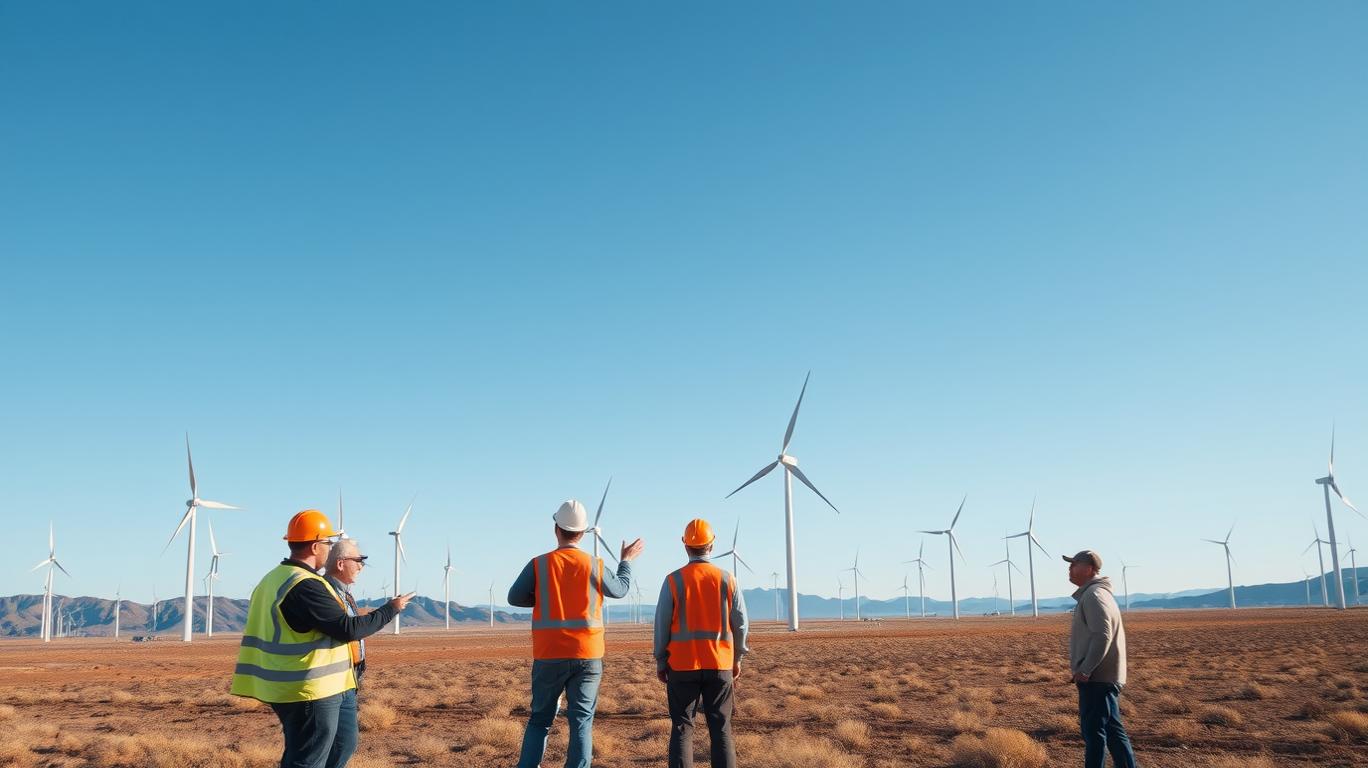
However, the project's revised plan has not satisfied everyone. Idaho Attorney General Raul Labrador and some lawmakers, such as Congressman Mike Simpson and Senator Mike Crapo, have expressed their frustration with the decision, arguing that it ignores the voice of Idahoans. They plan to continue fighting the project, citing concerns about potential damage to the historic site, aquifers, and local habitats.
The Minidoka National Historic Site holds immense historical and cultural significance. Pilgrimages to the site have increased in recent years, with visitors traveling from the West Coast to commemorate and preserve the internment experience. The wind farm's proximity may disrupt the historic atmosphere and negatively impact tourism, as wind turbines could be visible from the site.
Critics also worry about the project's potential impact on the delicate habitats of Sage Grouse and big game species in the area. While the BLM insists that the project aligns with federal policies supporting clean energy on public lands, some believe that mitigation efforts may not be enough to protect the historical integrity of the site and preserve the environment.
In this balancing act, it is crucial to consider the economic, environmental, and historical implications of the Lava Ridge Wind Project. While the revised plan addresses some concerns, it is evident that further dialogue is needed to ensure that the project's benefits are maximized without compromising the integrity of the Minidoka National Historic Site and the local ecosystem.
The future of the Lava Ridge Wind Project remains uncertain, with various stakeholders vying for their preferred outcome. As the BLM nears a final decision, it is essential to weigh the potential impacts and engage in meaningful conversation to reach a mutually beneficial compromise. The fate of the Lava Ridge Wind Project will not only determine the energy future of Idaho but also serve as a precedent for the delicate balance between progress and heritage in the face of climate change and renewable energy development.
FARM--
The Bureau of Land Management (BLM) recently approved a scaled-down version of the Lava Ridge Wind Project, striking a compromise between renewable energy goals and the preservation of a significant historical site in Idaho. The decision has sparked debate among locals, preservationists, and energy advocates, highlighting the delicate balance between progress and heritage.
The original proposal for the Lava Ridge Wind Project included up to 400 wind turbines, spanning an area larger than the city of Boise. The project raised concerns from community members and preservation advocates, particularly due to its proximity to the Minidoka National Historic Site, where over 13,000 Japanese Americans were forcibly interned during World War II.
The BLM's revised plan reduces the number of wind turbines to 231 and moves them farther away from the historic site, aiming to mitigate potential impacts on the site's integrity and local habitats. The compromise addresses some concerns but leaves others unanswered.
The Lava Ridge Wind Project promises to double Idaho's wind energy production, aligning with the Biden administration's clean energy goals. Magic Valley Energy, the project's developer, estimates that the wind farm will generate up to 1,000 megawatts, contributing to the White House's commitment to confronting climate change and promoting clean air and water.
However, the project's revised plan has not satisfied everyone. Idaho Attorney General Raul Labrador and some lawmakers, such as Congressman Mike Simpson and Senator Mike Crapo, have expressed their frustration with the decision, arguing that it ignores the voice of Idahoans. They plan to continue fighting the project, citing concerns about potential damage to the historic site, aquifers, and local habitats.
The Minidoka National Historic Site holds immense historical and cultural significance. Pilgrimages to the site have increased in recent years, with visitors traveling from the West Coast to commemorate and preserve the internment experience. The wind farm's proximity may disrupt the historic atmosphere and negatively impact tourism, as wind turbines could be visible from the site.
Critics also worry about the project's potential impact on the delicate habitats of Sage Grouse and big game species in the area. While the BLM insists that the project aligns with federal policies supporting clean energy on public lands, some believe that mitigation efforts may not be enough to protect the historical integrity of the site and preserve the environment.
In this balancing act, it is crucial to consider the economic, environmental, and historical implications of the Lava Ridge Wind Project. While the revised plan addresses some concerns, it is evident that further dialogue is needed to ensure that the project's benefits are maximized without compromising the integrity of the Minidoka National Historic Site and the local ecosystem.
The future of the Lava Ridge Wind Project remains uncertain, with various stakeholders vying for their preferred outcome. As the BLM nears a final decision, it is essential to weigh the potential impacts and engage in meaningful conversation to reach a mutually beneficial compromise. The fate of the Lava Ridge Wind Project will not only determine the energy future of Idaho but also serve as a precedent for the delicate balance between progress and heritage in the face of climate change and renewable energy development.

Divulgación editorial y transparencia de la IA: Ainvest News utiliza tecnología avanzada de Modelos de Lenguaje Largo (LLM) para sintetizar y analizar datos de mercado en tiempo real. Para garantizar los más altos estándares de integridad, cada artículo se somete a un riguroso proceso de verificación con participación humana.
Mientras la IA asiste en el procesamiento de datos y la redacción inicial, un miembro editorial profesional de Ainvest revisa, verifica y aprueba de forma independiente todo el contenido para garantizar su precisión y cumplimiento con los estándares editoriales de Ainvest Fintech Inc. Esta supervisión humana está diseñada para mitigar las alucinaciones de la IA y garantizar el contexto financiero.
Advertencia sobre inversiones: Este contenido se proporciona únicamente con fines informativos y no constituye asesoramiento profesional de inversión, legal o financiero. Los mercados conllevan riesgos inherentes. Se recomienda a los usuarios que realicen una investigación independiente o consulten a un asesor financiero certificado antes de tomar cualquier decisión. Ainvest Fintech Inc. se exime de toda responsabilidad por las acciones tomadas con base en esta información. ¿Encontró un error? Reportar un problema


SOBRE NOSOTROS
Nuestra historiaAutores de noticiasBase de conocimientosPolítica de privacidadTérmino de usoDescargo de responsabilidad de corretaje de tercerosTérminos de uso de AIMEDivulgaciones de riesgos de AInvest AICarrerasCONTÁCTENOS
Email: support@ainvest.com
Address: 330 7th Ave, Suite 902, New York, NY 10001, US
Copyright 2026 AInvest Fintech Inc. All rights reserved.


Comentarios
Aún no hay comentarios