
Boletín de AInvest
Titulares diarios de acciones y criptomonedas, gratis en tu bandeja de entrada
The Federal Reserve's November 2025 decision to cut interest rates for the third consecutive meeting marked a pivotal shift in monetary policy, signaling a deliberate pivot toward easing amid softening labor market conditions and rising economic uncertainties. This move, while widely anticipated, revealed internal divisions within the (FOMC), underscoring the delicate balancing act between curbing inflation and supporting growth. For investors, the implications are profound, necessitating a recalibration of asset allocation strategies to navigate the evolving macroeconomic landscape.
The Fed's rate cut in November 2025
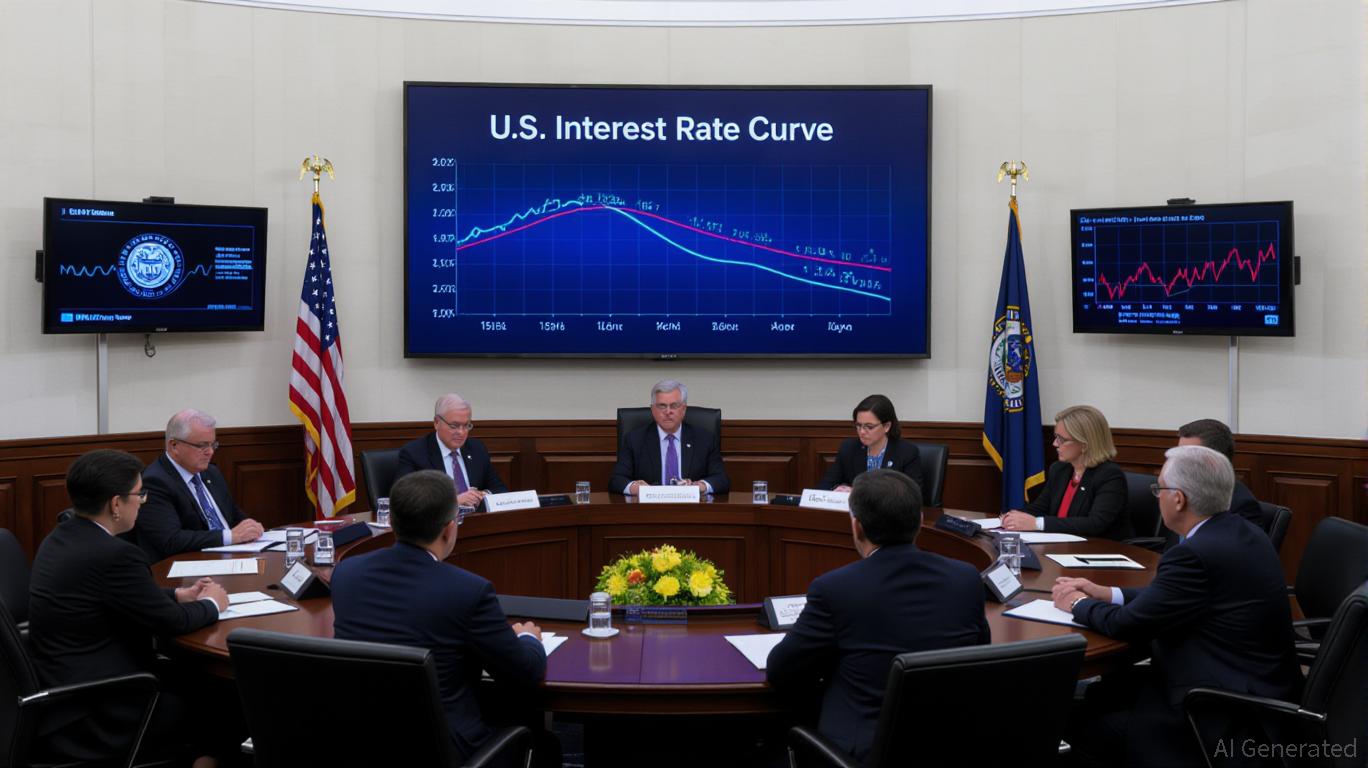
The market's immediate response to the rate cut was mixed but directionally positive. Global equities surged, with the rising 0.6% as investors embraced a "risk-on" sentiment
Investor sentiment in November also revealed a shift toward defensive positioning. Healthcare and consumer staples outperformed cyclical sectors,
For investors, the November 2025 rate cut and subsequent market dynamics necessitate a of portfolios. Key considerations include:
: With the Fed signaling a data-dependent path for 2026,
: The underperformance of and the relative strength of healthcare and consumer staples suggest a shift in risk appetite. may offer resilience in a potential earnings slowdown,
: The Fed's contrasts with tighter monetary policies in regions like Japan, creating opportunities in and high-yield bonds. However,
: While the Magnificent 7 continue to dominate, the market's focus on earnings quality over momentum implies a need for disciplined . Cyclical sectors may rebound if the Fed's proves more enduring than anticipated
The November 2025 rate cut reflects the Fed's commitment to a , balancing with labor market support. For investors, the path forward hinges on the central bank's ability to navigate a . must remain agile, prioritizing liquidity, , and to capitalize on evolving opportunities. As the Fed enters 2026 with

Titulares diarios de acciones y criptomonedas, gratis en tu bandeja de entrada





Comentarios
Aún no hay comentarios