
The New Federal Dietary Guidelines and Their Impact on Food and Agriculture Sectors
The 2025–2030 U.S. Dietary Guidelines represent a seismic shift in American nutrition policy, prioritizing whole foods, protein, and gut health while explicitly discouraging highly processed diets. This reset, spearheaded by Health Secretary Robert F. Kennedy Jr. and Agriculture Secretary Brooke Rollins, aims to combat diet-related chronic diseases by recentering "real food" as the foundation of health. For investors, the guidelines signal a reorientation of the food and agriculture sectors, creating clear opportunities in whole foods, protein producers, and gut health innovation.
The Rise of Whole Foods: A Structural Shift
The guidelines emphasize a return to nutrient-dense whole foods, including fresh vegetables, whole grains, and full-fat dairy, while reducing reliance on refined carbohydrates and added sugars. This aligns with broader consumer trends favoring transparency and quality. Whole Foods Market, under Amazon's ownership, exemplifies this shift. By 2025, the chain had expanded to 580 stores, with 65% located in top-tier metro areas, leveraging its brand equity and Amazon's logistics to dominate affluent urban markets. 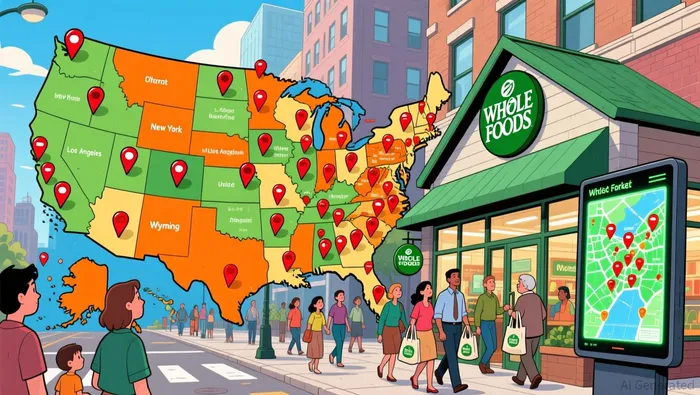 The company's focus on local sourcing and premium organic products has created a sustainable economic moat, with plans to enter new states like Wyoming reflecting its long-term growth strategy. Independent retailers, too, are benefiting, with some projecting 4% growth in 2025 driven by improved staffing and customer service.
Protein Producers: Navigating Demand and Challenges
The guidelines recommend 1.2–1.6 grams of protein per kilogram of body weight daily, a significant increase from prior standards, and position animal-based proteins as essential. This has bolstered demand for meat, dairy, and eggs, though producers face operational headwinds. Tyson Foods, for instance, reported mixed Q3 2025 results: while its Chicken segment thrived due to lower feed costs and innovation, the Beef segment struggled with tight cattle supplies and external disruptions like the New World screwworm in Mexico. Despite these challenges, Tyson's Prepared Foods and Pork segments showed resilience, and its adjusted EBITDA grew 20% year-over-year. Cargill's 2025 Protein Profile underscores affordability as a key driver, with consumers favoring bulk purchases of staples like ground beef and chicken. Social media's influence on protein consumption trends further complicates the landscape, as platforms like TikTok shape dietary subcultures.
Gut Health Innovation: A Probiotic Gold Rush
For the first time, the guidelines explicitly address gut health, encouraging fermented foods like kefir, yogurt, and kimchi to support the microbiome. Lifeway Foods, a leader in probiotic dairy products, has capitalized on this trend. In Q3 2025, the company reported record net sales of $57.1 million, a 24% year-over-year increase, driven by its kefir portfolio and international expansion. Lifeway's financial health is robust, with a debt-to-equity ratio of 0% and $23 million in cash reserves, while its product innovations-such as new flavors and child-friendly formats-broaden its appeal. The company's strategic emphasis on dayparting (e.g., nighttime kefir consumption to reduce bloating) further differentiates it in a competitive market.
Conclusion: Strategic Investment Opportunities
The 2025 Dietary Guidelines are not merely a public health document but a catalyst for sectoral realignment. Whole foods retailers like Whole Foods Market are well-positioned to benefit from sustained demand for premium, unprocessed products. Protein producers, while facing supply-side challenges, can leverage the guidelines' emphasis on daily protein intake to drive long-term growth. Meanwhile, gut health innovators such as Lifeway Foods are poised to capitalize on the microbiome's rising profile in wellness. For investors, the key lies in identifying companies that align with these structural shifts while managing sector-specific risks.





Comentarios
Aún no hay comentarios