
Fed Unveils Oversight Manual to Rein in Big Banks, Boost Clarity
The Federal Reserve has taken a major step toward improving transparency in its oversight of large banks by publishing a comprehensive staff manual for bank supervision. The document outlines risk-management expectations and methodologies for evaluating financial institutions, as part of an effort to reshape the regulatory framework. Fed Vice Chair for Supervision Michelle Bowman emphasized that the move reflects a commitment to holding the agency to high standards and ensuring fair execution of its responsibilities according to reports.
This initiative is part of a broader strategy to modernize and clarify the Fed's regulatory approach, with additional documents expected next year. Among the planned releases are guidelines for the large bank operating committee and capital and liquidity planning. The manual aims to strengthen sector resilience and enhance early-warning signals for potential risks according to the report.
Also this week, the Fed took a different approach to innovation by withdrawing a 2023 policy that restricted certain crypto-asset activities among banks. The new guidance encourages supervised institutions to explore "responsible, innovative products and services" in a move that aligns with the sector's technological evolution. Vice Chair Bowman noted that innovation can bring greater efficiency to banks and improved services for customers according to analysis.
A Shift in Supervisory Approach
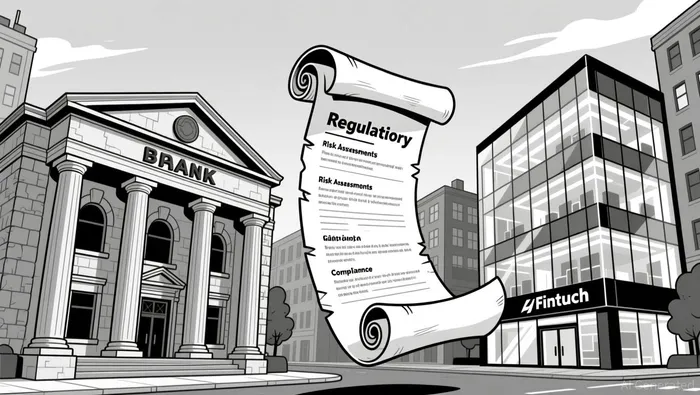
The Fed's updated supervision manual is seen as a response to calls for greater transparency in regulatory practices, particularly from lawmakers who argued that some prior assessments were subjective. Notably, Trump-era regulators moved to eliminate the use of "reputation risk" in bank exams, a practice some critics viewed as inconsistent or unfair. The new manual aims to provide a more objective and uniform framework according to the report.
By setting out detailed supervisory procedures, the Fed is signaling a move toward clearer expectations for large banks. The document includes specific criteria for evaluating risk management frameworks, capital adequacy, and liquidity planning. Analysts see the move as a way to build market confidence by reducing ambiguity in how regulators interpret and apply rules according to financial analysts.
Innovation and Regulatory Debate
The Fed's shift toward encouraging innovation has not gone unchallenged. Governor Michael Barr, who previously served as vice chair for supervision, dissented from the new guidance. He argued that the updated policy could lead to regulatory arbitrage, where banks might pursue innovative activities without a level playing field. Barr emphasized that the same risks should be subject to the same regulatory standards according to analysis.
The debate reflects broader tensions in financial regulation between fostering technological progress and maintaining stability. While the Fed supports responsible innovation, it also faces pressure to ensure that new financial tools do not create systemic risks. This balance is especially important as digital assets and fintech continue to evolve according to market analysts.
Market Reactions and Future Outlook
Market participants have generally welcomed the Fed's transparency initiative. The manual is expected to strengthen sector resilience by providing a more structured approach to identifying and managing risks. Some analysts suggest that the move could lead to improved market discipline and greater trust in the banking system according to the report.
Looking ahead, the Fed plans to release additional supervisory documents in 2026, which will further detail its approach to large bank oversight. These include policies related to the large bank operating committee and capital and liquidity planning. The continued rollout of regulatory updates will be closely watched by banks, investors, and other stakeholders according to financial sources.







Comentarios
Aún no hay comentarios